



An Artist-First Philosophy
The core of Austin City Limits' magic lies in a simple, almost radical, principle: trust the artist. Longtime executive producer Terry Lickona has maintained the show’s founding idea was to build a stage and let musicians do what they do best. Unlike
other television appearances that demand a single hit or a specific type of performance, ACL gives artists extraordinary freedom. They can play what they want, bring their full band, and even have a say in which songs from their hour-long taping make it into the final broadcast episode. This creates a relaxed, friendly environment that prioritizes musical expression over television gimmicks. The goal isn't to create a 30-second clip for social media, but to capture a one-of-a-kind performance for posterity. The result is often something far more powerful and shareable.
Curation Over Algorithm
While many platforms chase whatever is trending, ACL focuses on legacy and artistry. Lickona has spoken about the art of booking an artist at the right moment in their creative journey—when they have truly honed their craft. The show has a rich history of featuring a diverse range of genres, from its outlaw country roots with Willie Nelson to landmark performances by Stevie Ray Vaughan, Kendrick Lamar, and Brandi Carlile. This curatorial approach means the stage is a “bucket-list item” for musicians, not just another tour stop. They aren't booked because of their follower count, but for their contribution to music. This commitment to quality over fleeting popularity builds a catalog of timeless moments that can be discovered and re-discovered by fans for years to come.
The Magic of the Moody Theater
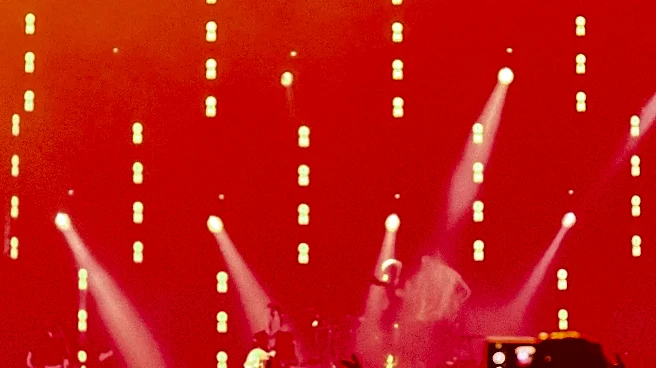
A performance is a conversation between an artist and an audience, and ACL’s home at the Moody Theater is the perfect venue for that dialogue. It’s an intimate setting, designed with acoustics as a top priority. The audience isn’t a massive, distracted festival crowd; they are there specifically for the taping, creating a focused, respectful energy that artists feed off of. This environment encourages vulnerability and power, allowing for moments that might get lost in a larger, more chaotic setting. The show offers unparalleled access for viewers, but it’s the intimate connection within the room that makes the performances so memorable and emotionally resonant.
Capturing Lightning, Not Staging It
The production itself is an exercise in restraint. While the show has upgraded from three cameras to a more sophisticated setup, the philosophy remains the same: serve the music. The direction, lighting, and audio are all geared toward capturing the authentic energy on stage, not manufacturing a slick, overproduced package. Audio director David Hough has noted the challenge and art of getting a mix that sounds as good through a small phone speaker as it does on a high-end stereo system. The editing process favors full takes, often only cutting during applause, preserving the real-time flow of the performance. This integrity and authenticity stand in stark contrast to the quick-cut, hyper-stimulated content designed to hold a viewer's attention for mere seconds. ACL bets that a truly great performance is all the hook you need.