




The Foundation of Immersion
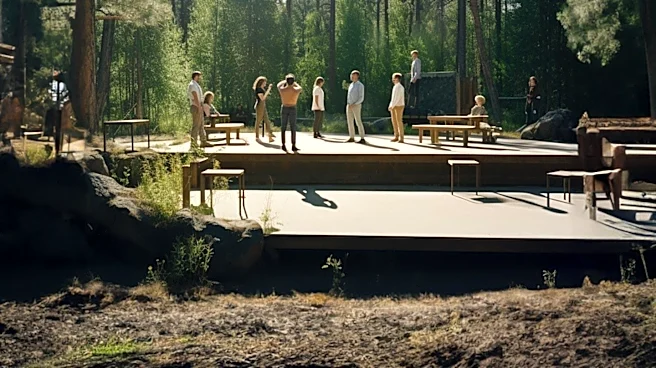
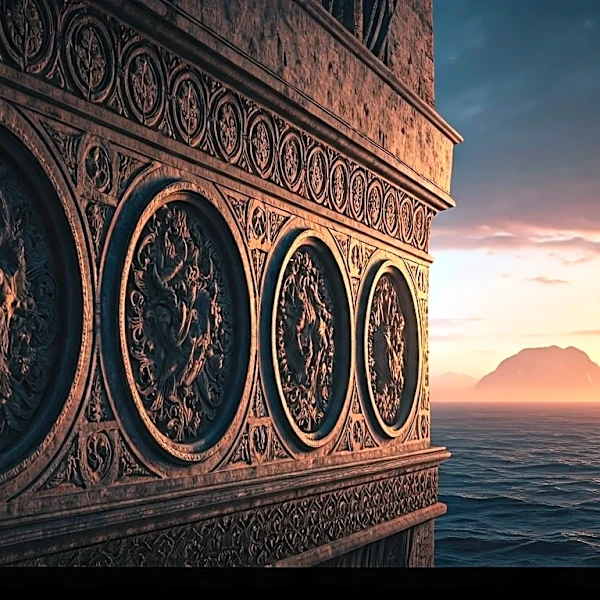
At its core, premium production is an investment in belief. When you watch a show like HBO’s “House of the Dragon,” you’re not just seeing actors in costumes; you’re visiting a fully realized Westeros. Every element, from the intricate embroidery on a gown
to the heft of a prop sword, is meticulously crafted to build a world that feels tangible and lived-in. This isn't just about aesthetics; it's about creating a coherent reality that allows the audience to suspend their disbelief completely. Lower-budget productions often have to make compromises—a sparse set, a generic costume, a prop that feels fake. High production value eliminates these distractions. It ensures that every detail on screen reinforces the story, allowing the narrative to fully envelop the viewer without the seams of its creation showing through. This depth of world-building is what separates a backdrop from a believable universe.
Sound That Sinks into Your Bones
Visuals may capture our attention, but sound is what truly immerses us. Premium production invests heavily in audio that operates on a subconscious level. It's not just about a soaring musical score. It's about the specific, layered soundscape that makes a world feel real. Think about the chilling silence and sudden, sharp noises in “A Quiet Place,” where sound design itself becomes a primary character. Or consider the detailed foley work in a historical drama—the distinct clink of a teacup, the rustle of a silk dress, the creak of a wooden floorboard. These sounds add texture and authenticity that visuals alone cannot convey. Poor audio quality can create audience fatigue and distraction, but a masterful sound mix guides focus, enhances emotion, and can make a scene feel tense, serene, or epic. It’s the difference between hearing a car chase and feeling the vibration of the engine in your chest.
The Choreography of Emotion
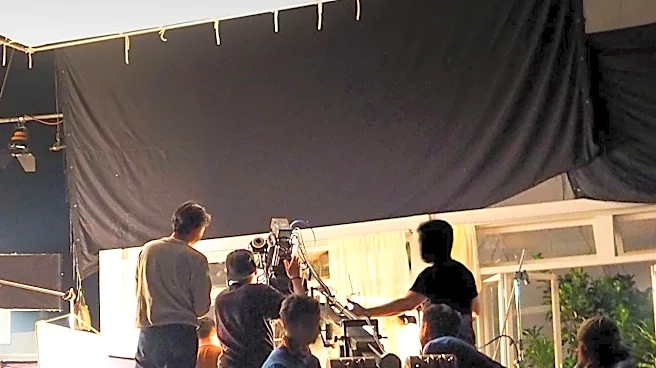
Cinematography and lighting are often described as the paintbrush of a film, but in premium productions, they are more like a conductor's baton, directing the audience's emotional response. It’s about more than just capturing a clear image. The choice of lens, the subtle movement of the camera, the specific quality of light in a room—these are all deliberate decisions designed to make you feel something. Warm tones can create a sense of energy or nostalgia, while cool tones might evoke calmness or isolation. A slow, creeping dolly shot builds tension far more effectively than a static camera. It’s this intentionality that often separates a production that feels cinematic from one that feels flat, even if both have a massive budget. High-end production gives filmmakers the time and tools to craft these visual cues with precision, ensuring the visual language of the film is as powerful as its script.
An Insurance Policy on Talent
Finally, premium production acts as an insurance policy on a project's most valuable assets: its writers, directors, and actors. A brilliant script or a once-in-a-generation performance can be kneecapped by clumsy execution. Investing in top-tier production provides the support structure needed for creative talent to do their best work. It means a director has the equipment and crew to realize their specific vision, and an actor's nuanced performance is captured with perfect lighting and sound. It’s about creating an environment where the story is the primary focus, free from the logistical headaches and technical compromises that can plague smaller productions. Ultimately, high production value isn't an indulgence; it's a strategic decision to ensure that the core message and emotional heart of the story are delivered to the audience with maximum impact and clarity.