




Decoding the London Look
Before identifying the mistake, it’s crucial to understand what “London-inspired styling” truly means. It’s a fashion dialect that speaks of practicality, polish, and a certain unbothered confidence. Core pieces often include a timeless trench coat, a structured
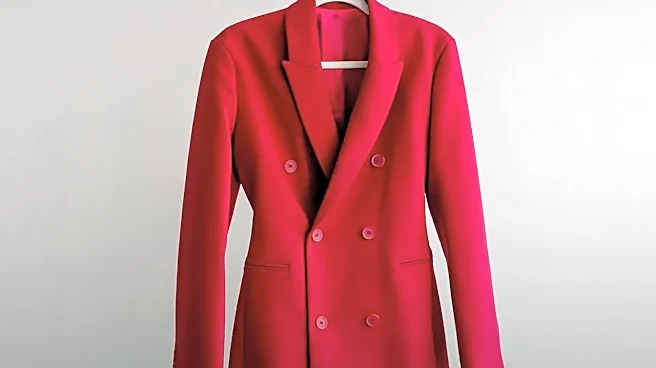
blazer, high-quality knitwear, and sturdy boots or loafers. It’s less about chasing fleeting trends and more about investing in classic items and wearing them with individual flair. The aesthetic is born from the city's famously unpredictable weather, where a sunny morning can dissolve into a rainy afternoon without warning. This necessity for adaptable clothing is the true foundation of London layering. It's functional first, fashionable second—a distinction that is absolutely critical.
The Core Mistake: Layering Without Purpose
Here is the error that creates visual clutter: imitating the layers without understanding their logic. The Londoner’s layers are a functional response to their environment. Each piece—the base layer, the sweater, the coat—has a job. When you see a Londoner wearing a blazer under an overcoat, it’s often because they plan to shed the outer layer indoors and still look put-together. The mistake is piling on pieces for purely aesthetic reasons, resulting in an outfit that feels staged and bulky. It’s grabbing a sweater, a scarf, and a jacket because they look good in a photo, not because they form a cohesive, adaptable system. This often leads to too much volume, conflicting shapes, and a general sense of being weighed down, turning an outfit that should look effortless into one that looks like a cry for help.
Solution #1: Master Your Proportions
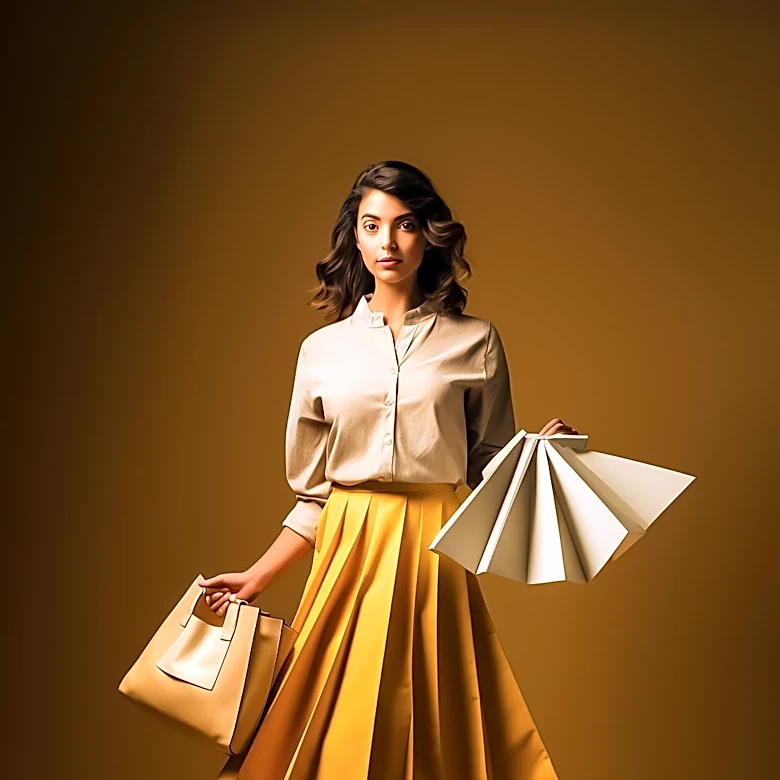
The key to avoiding the “stuffed” look is balancing proportions. London style excels at playing with silhouettes. If you’re wearing a voluminous outer layer, like an oversized trench or a chunky knit, the pieces underneath should be more streamlined. Think a slim-fit turtleneck or tailored trousers. Conversely, if you opt for wide-leg pants or a flowing skirt, keep the top half more fitted with a cropped jacket or a tucked-in blouse. The mistake is layering bulky on bulky—a chunky sweater under a puffer coat with baggy pants, for example. This erases your silhouette entirely. Always ensure one element of your outfit provides structure to anchor the rest.
Solution #2: A Cohesive Color Story
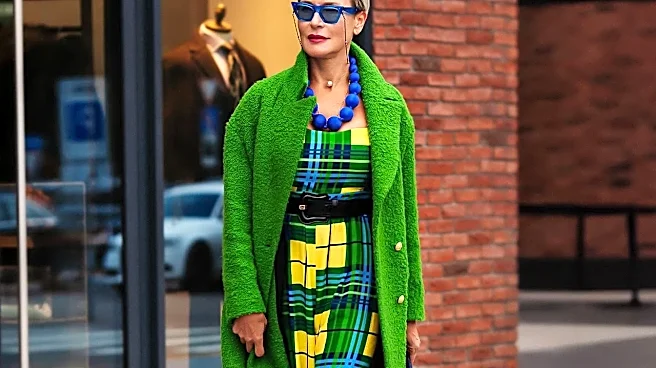
A busy outfit often suffers from a chaotic color palette. London style typically relies on a foundation of neutrals: black, navy, grey, cream, and beige. This limited palette is what allows multiple layers to coexist harmoniously without creating visual noise. An outfit built from these tones looks intentional and sophisticated, not accidental. You can, and should, introduce color, but do it strategically. A single pop from a vibrant scarf, a colorful handbag, or a bright sweater can elevate the entire look. The mistake is trying to incorporate too many competing colors or patterns at once. Start with a neutral base and add color as a deliberate accent, not an afterthought.
Solution #3: Texture is Your Secret Weapon
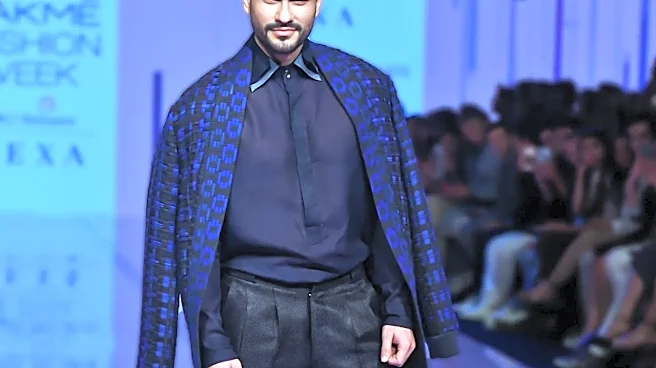
When your color palette is restrained, texture becomes essential for adding depth and interest. This is a subtle art that Londoners have perfected. A successful layered look might combine the smoothness of a silk shirt, the soft grit of a cashmere sweater, the ruggedness of denim, and the sleek finish of a leather boot. Each material catches the light differently and provides a distinct tactile feel, making the overall outfit rich and dynamic. The common error is to layer fabrics that are too similar in weight and texture—like a basic cotton tee under a standard-issue fleece. This flattens the look and adds bulk without adding character. Mix knits, leather, wool, silk, and denim to create a look that feels thoughtfully curated.
Solution #4: Edit, Then Edit Again
The final, and perhaps most important, step is to edit. The most stylish Londoners often look like they just threw something on, but their outfits are rarely accidental. Once you are dressed, take a moment to assess. Does every piece serve a purpose, either for warmth, practicality, or style? Sometimes, the most powerful move is subtraction. Maybe you don't need both the scarf and the statement necklace. Perhaps the vest is one layer too many. This final check ensures your look is streamlined and intentional. The goal is to appear effortlessly put-together, and a key part of that effort happens in the final edit before you walk out the door.