





The Two-Minute Warning
On a live broadcast like the MTV Video Music Awards, time is the one thing no one can manufacture. While viewers at home see a two- or three-minute ad for soda or a new sedan, the arena floor transforms into a scene of controlled chaos. Every commercial
break is a frantic, precisely choreographed operation to strike one massive performance set and erect another. The stage manager is the ultimate authority, the person responsible for making sure this complex dance happens on schedule. They oversee hundreds of crew members who swarm the stage to disassemble, roll away, and replace everything from drum risers and pyrotechnic rigs to delicate lighting arrangements. Each artist gets a limited window—sometimes only a couple of hours—to rehearse their performance on the actual stage, meaning the crew has even less time to practice these critical changeovers.
The Set Piece Shuffle
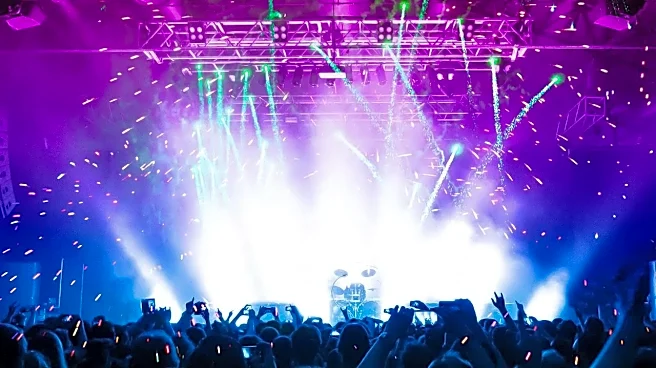
A VMA performance isn't just a band on a stage; it's an environment. One act might involve a giant, flaming metal structure, while the next requires a stage-wide pool of water. These elaborate sets can't be stored backstage in one piece. Instead, massive components are often assembled in nearby hallways or even the venue's parking lot, then wheeled in and pieced together in minutes. It's a logistical puzzle of epic proportions. Crews use specialized carts and meticulously planned pathways to move tons of equipment without incident. A designer for the 2017 VMAs noted their team had to build a special cart just to handle hot gas lines from a Kendrick Lamar performance set so the crew wouldn't get burned during the rapid teardown. This is the unseen art of the show: a high-stakes ballet of stagehands and machinery.
A Performance for 22 Cameras
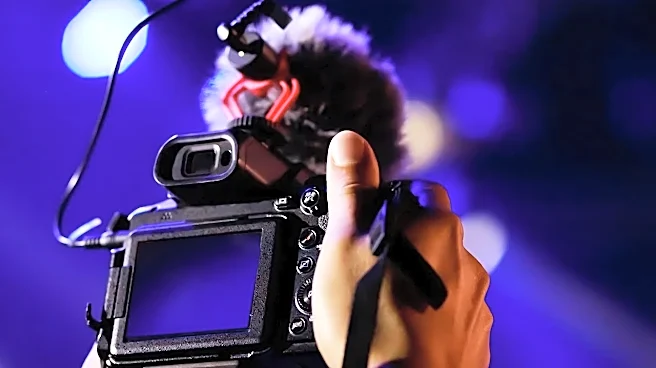
The transition isn't just about moving physical objects; it's also about preparing for the broadcast. While one set is being removed, the next presenter is getting miked up and guided to their mark. The director, coordinating with up to 22 different cameras, needs to have a clean, wide shot ready the second the show comes back on air. Rehearsals focus on camera blocking for the transition itself. The goal is to ensure that viewers at home see a presenter walking onto a pristine stage, not the last piece of the previous set being frantically pushed out of frame by a dozen people in black t-shirts. Every camera angle is predetermined to hide the magic trick, making the seamless appearance on television a carefully constructed illusion.
When the Magic Fails
So why the intense focus on practicing these changeovers? Because when they go wrong, they go wrong live in front of millions. A missed cue, a stuck set piece, or a faulty microphone can create dead air—the ultimate sin in live television. A presenter might walk on stage to find the wrong lighting, or worse, a piece of equipment from the last act still sitting there. These moments, though rare, are what producers have nightmares about. The rehearsals are designed to build muscle memory and a shared rhythm for the entire crew, so that even when unexpected problems arise, the team can adapt on the fly without derailing the entire broadcast. The smooth flow of the show is a direct result of the hours spent perfecting the moments nobody is supposed to see.