





The Two-Tiered Joke System
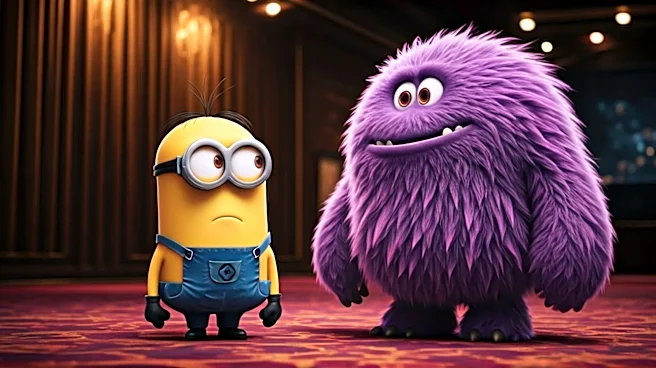
The most well-known technique is the two-layered joke. For kids, there's the universal appeal of slapstick—a Minion walking into a wall is funny in any language. But woven into the script are lines and references aimed squarely at the grown-ups in the room.
This isn't about being inappropriate; it's about being clever. A film like 'Shrek' built its empire on witty pop-culture parodies and fairy-tale deconstructions that children enjoy at face value but adults appreciate for their satire. Similarly, the 'Despicable Me' franchise peppers its stories with nods to classic spy films and subtle gags about the mundane frustrations of adult life, like financing a villainous lair. This dual-track approach ensures parents aren't just enduring the film but actively enjoying a parallel comedic experience.
A Trojan Horse for Real Emotion
Beyond the humor, the true masterstroke is emotional depth. Pixar, in particular, has perfected the art of packaging profound, adult themes into accessible narratives. They don't make movies for kids; they make movies about adult anxieties that kids can also understand. Think of the first ten minutes of 'Up,' a silent montage about love, loss, and the passage of time that leaves adults devastated. Or consider Bing Bong's sacrifice in 'Inside Out,' a moment that forces grown-ups to confront the bittersweet reality of fading childhood memories. These films tackle grief, purpose, and existential dread—concepts far beyond the playground—but they do so through the universal language of story. A child sees a colorful adventure, while an adult recognizes a metaphor for their own life experiences, creating a shared yet distinct emotional connection.
World-Building Worth Appreciating
Great animated films create universes that are fascinating for their own sake. Adults, who may have a greater appreciation for design and creativity, can get lost in the intricate details of these fictional worlds. The city of Monstropolis in 'Monsters, Inc.' is a fully realized society with its own infrastructure, media, and corporate culture. The 'Minions' films offer a vibrant, stylized take on the 1960s, complete with nods to the era's music and counter-culture that fly right over kids' heads. This commitment to detailed world-building signals that the filmmakers are not just telling a story for children but are crafting a complete, immersive experience. It respects the intelligence of the entire audience, inviting everyone to marvel at the sheer creativity on display.
Respecting the Story Above All
Ultimately, the secret isn't a secret at all: these films succeed because they focus on telling a good story, period. They don't pander or talk down to children, and they don't treat adults as an afterthought who just need a few winks and nods to stay awake. The narrative structure is often as sound as any live-action drama, with compelling character arcs, clear stakes, and satisfying resolutions. Creators at studios like Pixar are known for their rigorous development process, focusing on the psychological motivations of their characters. By prioritizing universal storytelling principles—friendship, loyalty, overcoming obstacles—they create narratives that resonate with the fundamental human experience, regardless of the viewer's age.