







The Timeless Argument: Structure and Heritage
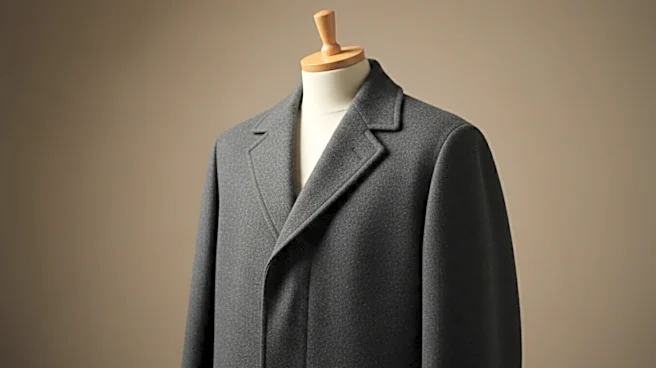
For one camp of designers, the wool overcoat remains an untouchable pillar of fashion. Their argument hinges on its timeless structure and heritage. A well-made wool coat, whether a double-breasted Ulster or a sleek Chesterfield, offers a defined silhouette
that many modern garments lack. Proponents believe in the enduring power of these classic shapes, which have been refined over generations. They argue that the coat's weight and drape provide a sense of quality and permanence that lighter, more casual alternatives can't replicate. For these designers, abandoning the wool overcoat isn't just a style choice; it's seen as turning away from the craftsmanship and sartorial history that give clothing meaning. They advocate for high-quality materials like wool and cashmere blends, viewing the investment as one that pays dividends in longevity and timeless appeal.
The Modern Critique: Lifestyle and Practicality
On the other side of the debate, a growing number of designers see the traditional wool overcoat as increasingly out of step with contemporary life. Their primary critique focuses on its formality and bulk. As dress codes relax and lifestyles become more fluid, the heavy, structured coat that pairs perfectly with a suit can feel cumbersome and overly formal for someone wearing sneakers and commuting by car. This faction points to the rise of technical fabrics and innovative synthetics that offer comparable warmth without the weight. They observe a consumer shift toward lighter layers and more functional outerwear, like puffer jackets or technical parkas, that better suit a casual, on-the-go existence. For these modernists, the wool overcoat, in its most traditional form, is a beautiful relic from a bygone era, not a practical choice for today.
The Sustainability Standoff
The disagreement also extends deep into the contentious issue of sustainability. For years, wool was marketed as a natural, renewable, and biodegradable fiber, a clear winner against fossil fuel-based synthetics like polyester. Some designers continue to champion it on these grounds, especially locally sourced and regeneratively farmed wool. However, this green image is now being challenged. Critics point to the significant environmental impact of industrial wool production, including high water consumption for cleaning and dyeing, land degradation from grazing, and methane emissions from sheep. Furthermore, many garments labeled as "wool" are actually wool-polyester blends, which compromises their biodegradability. This has led some designers to explore alternatives like organic cotton, hemp, or innovative materials made from sources like soybeans or seaweed, arguing that true sustainability requires moving beyond animal-based fibers altogether.
The Path Forward: Reinvention, Not Replacement
Ultimately, the disagreement isn't necessarily a simple “for” or “against” debate. Many of the most forward-thinking designers are choosing a third path: reinvention. Rather than discarding the overcoat, they are deconstructing and reimagining it. This new wave of coats often retains the classic length and feel but uses lighter, more advanced fabrics, including double-faced wools that offer warmth without bulk. Silhouettes are becoming more relaxed, with softer shoulders and looser fits that can be thrown over anything from a hoodie to a dress. Some are blending genres, creating hybrid styles like sweater coats or splicing trench coat elements onto wool designs. This approach suggests the wool overcoat isn't dead but is instead evolving. It honors the garment's heritage while adapting it for a new generation that values comfort, versatility, and conscious consumption in equal measure.