









An Arena Engineered for Sound
Before the first fan ever screamed, Lumen Field was built to be loud. Opened in 2002 as Seahawks Stadium, the venue was the brainchild of the late Microsoft co-founder and Seahawks owner Paul Allen, who wanted to create the most intimidating home-field
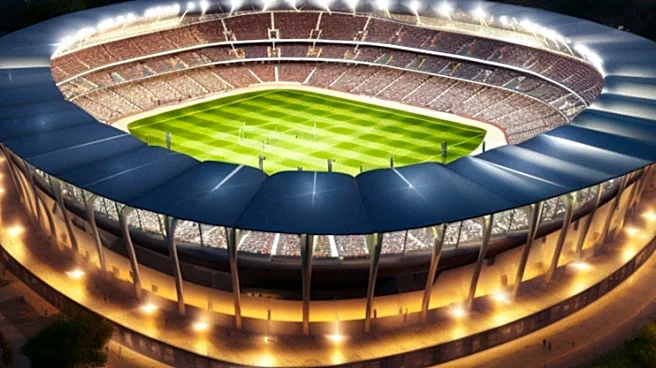
advantage in football. The key isn't a dome, but a clever partial roof. Two massive, cantilevered steel roofs cover 70 percent of the seats, acting like parabolic mirrors. Instead of letting sound escape into the sky, they catch the crowd's roar, concentrate it, and reflect it back down onto the field. This creates a deafening echo chamber. The stadium's structure is a mix of concrete and steel, hard surfaces that bounce sound waves with brutal efficiency. Even the seating is strategic; the upper deck is one of the steepest in the NFL, pitching fans forward and aiming their voices directly at the action, turning the entire crowd into a directional speaker.
The Original '12th Man' Noise
This architectural malice was first weaponized by the Seahawks' legendary fanbase, the '12s.' The term '12th Man' signifies the fans as the twelfth player on the field, a concept the team has embraced since the 1980s. When they moved into their new, purpose-built home, their impact became quantifiable. The stadium's design amplified their natural passion into a tactical advantage, causing false starts and communication breakdowns for visiting offenses. The 12s have twice set the Guinness World Record for loudest crowd roar at a sports stadium, first hitting 136.6 decibels in 2013 and then topping it with 137.6 decibels in 2014—a sound level comparable to a jet engine taking off. This is the 'NFL Noise' in its purest form: massive, concussive bursts of sound timed to disrupt the opponent's rhythm at critical moments in the game.
The Soccer Culture Revolution
When the Seattle Sounders FC joined Major League Soccer in 2009, many wondered how a soccer team would fit into an NFL cathedral. The answer was: perfectly. Soccer culture brings a different kind of auditory assault. Instead of explosive bursts, it's a 90-minute marathon of chants, songs, and drumming, led by organized supporter groups like the Emerald City Supporters. This constant, rolling wave of noise found a perfect home in Lumen Field's acoustic pressure cooker. The stadium's reflective roof sustains the chants, making a group of a few thousand sound like tens of thousands. The famous pre-game 'March to the Match,' where thousands of fans parade through the city to the stadium, established a ritual and energy that was distinct from the Seahawks' gameday experience but equally powerful. The Sounders didn't just borrow the stadium; they claimed it, shattering MLS attendance records and proving that European-style fan passion could thrive in an American football fortress.
A Shared Cathedral of Sound
What makes Lumen Field truly special is that it doesn't just host two teams; it amplifies two distinct fan cultures. The stadium's genius is its versatility. The design that magnifies the explosive, reactive roar of 70,000 Seahawks fans is the same one that sustains the melodic, unceasing chorus of 40,000 Sounders supporters. One weekend, it's a weapon of intermittent sonic shockwaves. The next, it's a cauldron of perpetual, rhythmic energy. This duality has created a unique Seattle sports identity. Fans of both teams share a pride in their building's reputation. It’s a landmark that proves that with intentional design, a single venue can become the authentic, intimidating home for two wildly different sports, creating a year-round fortress on the shores of Elliott Bay.