






More Than Just a Sewing Circle
Across the country, in libraries, community centers, and even parks, people are gathering with needles, thread, and piles of clothes in need of a second chance. These are 'mending circles' or 'repair cafes', relaxed events where attendees fix garments
together. Unlike a formal class, the atmosphere is collaborative. Volunteers and experienced sewers offer tips and encouragement, but the focus is on shared knowledge and hands-on learning. Some events, like 'Mend in Public Day', are a form of creative protest against disposable fashion, encouraging people to take over public spaces and spark conversations about making clothes last. The goal isn't just to patch a hole; it's to participate in a collective act of care and resourcefulness. Beginners are welcome, and the only prerequisite is a garment that needs some help.
From Fast Fashion to Slow Care
This trend is a direct response to the era of fast fashion, an industry notorious for its environmental impact and for producing clothes designed to be disposable. With an estimated 92 million tons of textiles ending up in landfills annually, consumers are increasingly seeking ways to push back. Extending the life of a garment by just nine more months can reduce its carbon, water, and waste footprints by up to 30%. Mending events tap into this desire for a more sustainable relationship with our closets. They transform repair from a forgotten chore into a conscious choice. By investing time and a few stitches, a garment gains what some call 'emotional durability'—its story becomes entwined with our own, making it harder to discard.
Wearing Your Repairs With Pride
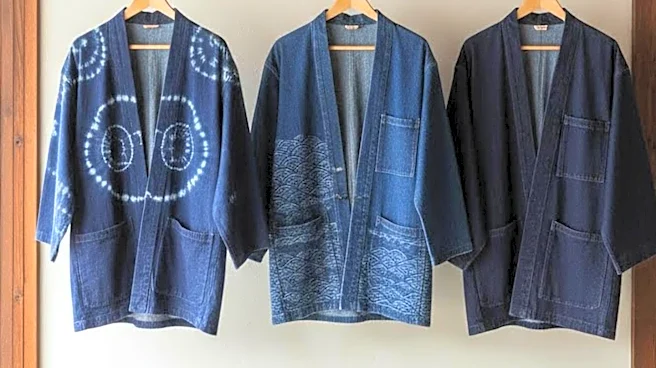
A key part of this cultural shift is the embrace of 'visible mending'. Instead of trying to hide a repair, this technique makes it a feature. Drawing inspiration from traditions like Japanese 'Sashiko'—a geometric stitching style originally used for reinforcement—visible mending uses colorful threads and creative patches to turn a flaw into a design element. A darned elbow or a patched knee becomes a badge of honor, a testament to the garment's longevity and the owner's creativity. This approach reframes imperfection as unique and beautiful, challenging the polished, uniform look of mass-produced clothing. It's a quiet but powerful fashion statement: a declaration of sustainability and a rejection of the idea that new is always better.
Weaving a Stronger Community Fabric
Perhaps the most significant impact of these events isn't on the clothes, but on the people. In an increasingly isolated world, mending circles create a rare space for genuine, in-person connection. They bring together people of different ages, backgrounds, and skill levels, fostering intergenerational knowledge sharing and building local bonds. The simple, rhythmic act of stitching can be meditative, reducing stress and offering a break from digital life. More importantly, these gatherings combat loneliness by creating a sense of belonging and collective purpose. By sharing skills and stories around a common table, participants are doing more than fixing seams; they are strengthening the very fabric of their community, one stitch at a time.