




A Script That Broke All the Rules
By the mid-1990s, the slasher genre had become a parody of itself. Final girls always survived, killers were silent brutes, and audiences knew every beat. Then came Kevin Williamson's script, originally titled 'Scary Movie'. It was fresh, witty, and unapologetically
meta. The characters had seen all the same horror movies we had, and they knew the rules. This self-awareness was revolutionary. The movie wasn't just a slasher; it was a thesis on the genre itself, deconstructing tropes while simultaneously delivering a terrifyingly effective example of them. For Craven, who had already reinvented horror with 'A Nightmare on Elm Street', it was the perfect vehicle to do it all over again.
The 'Psycho' Gambit
In 1996, Drew Barrymore was a bona fide superstar, and her face was all over the marketing for 'Scream'. Audiences naturally assumed she was the film's lead, the 'final girl' who would confront the killer in the final reel. Williamson and Craven pulled a move straight from Alfred Hitchcock’s 'Psycho' playbook by killing off their biggest star in the first 12 minutes. Barrymore was initially signed on to play the lead role of Sidney Prescott but suggested she take the smaller role of Casey Becker instead. She believed that if the audience saw her character brutally murdered, all bets would be off. No one would feel safe. It was a brilliant, shocking decision that immediately established the film's core promise: in 'Scream', anyone can die.
The Psychology of Genuine Terror
To capture authentic fear, Wes Craven resorted to some famously intense methods. For the five days it took to shoot the opening, he put Drew Barrymore through an emotional wringer. Knowing she was a passionate animal lover, Craven would tell her real, horrific stories of animal cruelty right before a take to make her cry. During the DVD commentary, Craven recalled telling Barrymore a story about a dog being burned, which petrified her. From then on, whenever he needed her to reach a state of absolute terror, he would just say, 'Drew, lighting the lighter', and she would burst into tears. This psychological manipulation, while harsh, resulted in a performance of raw, believable panic that a purely technical approach could never achieve.
The Man on the Other Line
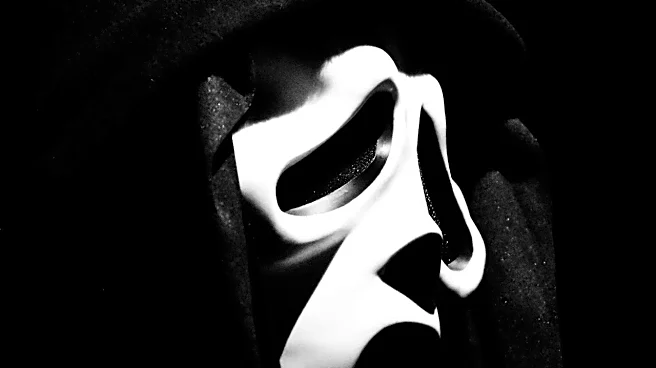
The voice of Ghostface is as iconic as the mask, but actor Roger L. Jackson wasn't just recording his lines in a studio. At Drew Barrymore's request, he was present on set for the phone calls, speaking to her in real-time from a hidden location. During the first night of shooting, he was huddled under a small canopy in the rain, just outside the window, watching her performance on a monitor. The actors were never allowed to see him, creating a genuine sense of an unknown, menacing presence on the other end of the line. This dynamic allowed for real interaction and reaction, turning the phone call from a simple plot device into a tense, terrifying duet between hunter and hunted.
From Playful to Primal
The true artistry of the scene lies in its masterful escalation of tension. It doesn't start with screaming; it begins with a wrong number and a flirtatious chat about scary movies. Craven uses a Steadicam to follow Casey through her large, isolated house, emphasizing the windows and empty spaces where a threat could emerge. The conversation turns on a dime when the caller's tone shifts. The playful question, 'What do you want?' is met with the chillingly direct answer: 'To see what your insides look like'. From there, the playful trivia becomes a high-stakes game for survival. The popping of the popcorn on the stove mirrors the rising suspense until the scene explodes into brutal violence, cementing its place as one of the most effective openings in horror history.