






More Than Just Taking a Punch
The title “stunt coordinator” often conjures an image of a rugged daredevil, but the reality of the job is far more complex. Modern stunt coordinators are department heads, safety engineers, choreographers, and budget managers rolled into one. Their work
begins long before the cameras roll, during pre-production, where they break down scripts to identify every physical action. They collaborate closely with the director to translate a vision into a feasible, heart-pounding sequence that serves the story. This involves everything from designing fight choreography and planning high-falls to casting the right stunt performers for specific skills and even re-designing a scene to accommodate an actor's capabilities. They are the architects of action, responsible for every moving piece of the puzzle.
The Tyranny of the TV Schedule
While film stunt teams may have months to plan and rehearse a single major sequence, their television counterparts operate in a relentless sprint. An episodic schedule means a coordinator might get a script mere days or weeks before a stunt needs to be shot. This compressed timeline forces an incredible level of efficiency and decisiveness. There's no time for endless revisions; coordinators must quickly assess risks, choreograph complex movements, train actors, and coordinate with multiple departments like special effects and camera teams—all while another episode is already looming. If a problem arises on set, like an unexpected weather change or a technical glitch, they must adapt in real-time, modifying the stunt without compromising safety or the director's vision.
Engineering Safety into Spectacle
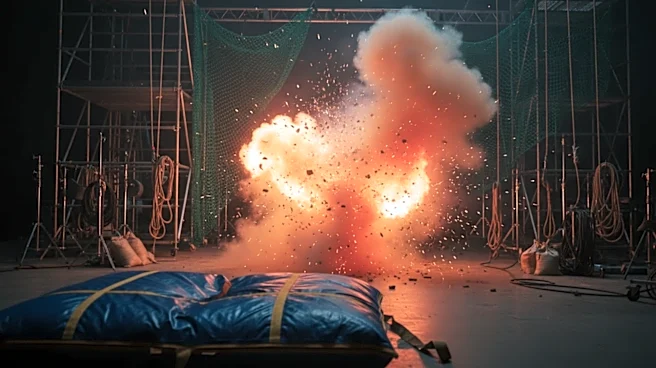
The fundamental challenge for any stunt coordinator is to create the illusion of peril while ensuring absolute safety for everyone on set. This is a process of meticulous risk management. Every stunt, from a simple trip-and-fall to a multi-car pileup, undergoes a thorough risk assessment. Coordinators determine the necessary protective equipment, such as hidden padding, fire-resistant clothing, or safety harnesses, and have the authority to ensure it is used. Rehearsals are non-negotiable, allowing performers to build muscle memory and the crew to perfect camera angles and timing. On the day of the shoot, the coordinator leads mandatory safety meetings, clears the stunt zone, and maintains constant communication to ensure every variable is controlled. They create a highly controlled environment for what appears to be pure chaos.
The Unseen Artists of Peak TV
The current golden age of television, with its cinematic scope and blockbuster-level ambitions, is built on the backs of these highly skilled professionals. The sprawling battle scenes in fantasy epics and the gritty, realistic action in crime dramas are only possible because of the evolution of stunt coordination. These teams use every tool at their disposal, from previs animation that maps out a sequence digitally to practical rigs that send performers flying through the air. Yet, despite their critical role in creating some of TV's most memorable moments, they remain one of the industry's most under-recognized crafts. Every breathtaking sequence is a testament to their ability to balance creative vision, logistical precision, and an unwavering commitment to bringing everyone home safe.