


More Than Just Stopping the Ball
On the surface, a soccer player’s “first touch” is exactly what it sounds like: their initial contact with the ball after receiving a pass. For casual viewers, it’s an invisible action, a simple prerequisite for doing something else. But for the players
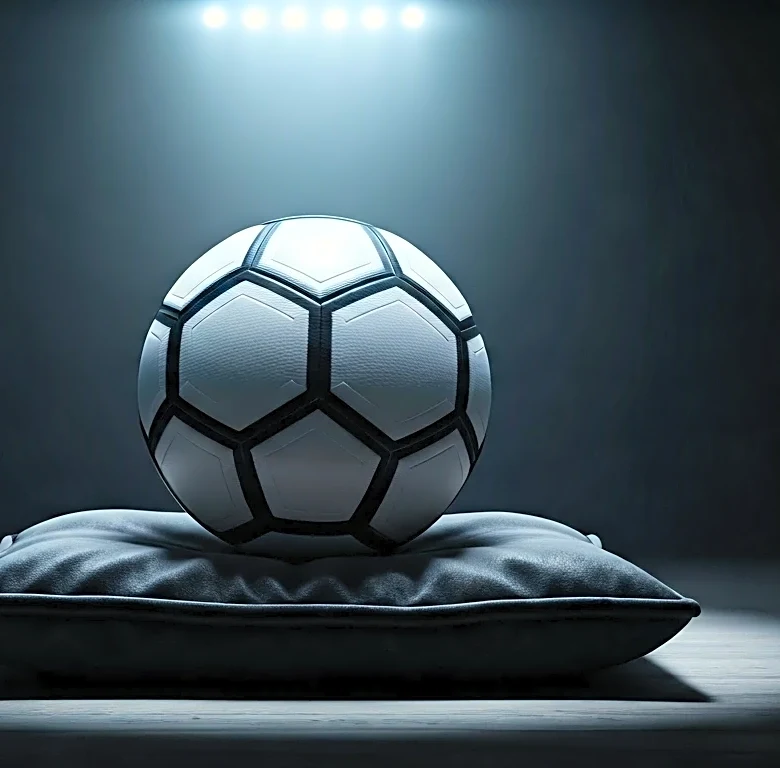
who control the game, the first touch isn't about stopping the ball—it’s about starting the next move before the first one has even finished. It’s a decision, a statement, and an act of creation all packed into a single, cushioned contact. A bad first touch forces a player to recover. A good first touch keeps their options open. A great first touch eliminates defenders and creates opportunities that didn't exist a second earlier.
The Point Guard's Live Dribble
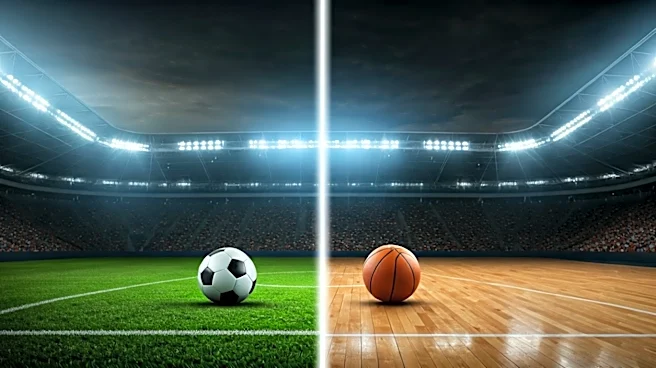
Here's the analogy that unlocks everything: a soccer midfielder’s first touch is the equivalent of a point guard’s live dribble. Think about it. A guard doesn't just dribble to move from point A to point B. They use the dribble to probe the defense, to create angles, to lull their defender to sleep before a crossover. The ball isn't just an object; it’s an extension of their intent. A great first touch functions in the same way. When Andrés Iniesta received the ball for Barcelona, his first touch was never static. He’d use it to shift his weight, to draw a defender in, or to glide into open space. The ball would arrive, and with a single caress of his boot, he’d already be two steps ahead, turning a simple reception into a lethal attacking platform. It’s not about trapping; it’s about manipulating.
Creating Space Where None Exists
Elite point guards like Chris Paul or Steve Nash built careers on this. They operate in the crowded, chaotic space of the lane, using hesitations and head fakes to manufacture a few precious inches of daylight. They don't need to be the fastest guys on the court; they just need to be the quickest thinkers. The same is true for the masters of the first touch. A player like Germany’s Toni Kroos will receive a fizzing pass with three opponents closing in. A normal player might panic, taking a heavy touch that gives the ball away. Kroos, however, uses his first touch to absorb the pace of the ball and simultaneously redirect it into the space a defender is vacating. It’s a subtle shift—maybe just a yard—but in the middle of a packed field, a yard is a highway. It’s the soccer equivalent of a guard using a screen to create just enough room to get a shot off.
The Setup for the Final Pass
We celebrate the no-look pass in basketball, the incredible dime that leads directly to a basket. But we often overlook the setup—the crossover or the hesitation dribble that made the pass possible. The first touch is often soccer's great setup move. You may not always notice it, but it’s the move *before* the move. Watch old clips of Dennis Bergkamp, the Dutch master. His first touch was legendary because it was often more beautiful and effective than the goal that followed. He could kill a 40-yard pass dead from the sky, spin, and be past his defender in one motion. His first touch wasn't just about receiving the ball; it was his primary weapon for breaking down a defense. He was playing chess while others were playing checkers, using his first move to set up a checkmate three moves later.
Who to Watch to See This in Action
If you want to train your eye, stop watching the ball and start watching the players who orchestrate the game from midfield. Think of Luka Modrić of Real Madrid as the soccer version of Luka Dončić—unorthodox, never the fastest, but with an uncanny ability to dictate the pace and see plays develop in slow motion. Watch how he uses the outside of his boot on his first touch to swerve away from pressure. Look at a player like Kevin De Bruyne of Manchester City. His first touch is aggressive and forward-thinking, always aimed at instantly putting his team on the attack, much like a guard catching an outlet pass and immediately pushing the fast break. These are the players who, like the best point guards, don't just play the game; they control its rhythm and flow, all starting with that first, critical moment of contact.