





The Simple Science of Staying Warmer
The magic of wearing multiple thin layers isn't just about piling on clothes; it's about physics. Each layer traps a pocket of air between it and the next. Your body heats this trapped air, creating multiple insulating shields that hold warmth far more
effectively than the single, dense fabric of a heavy sweater. More importantly, this system is adaptable. A single bulky sweater has two modes: on or off. If you start to overheat, your only option is to take it off completely. Layering allows you to regulate your temperature by removing just one piece at a time, giving you unmatched comfort whether you're on a brisk walk or in a stuffy office.
Layer 1: The Base Layer Manages Moisture
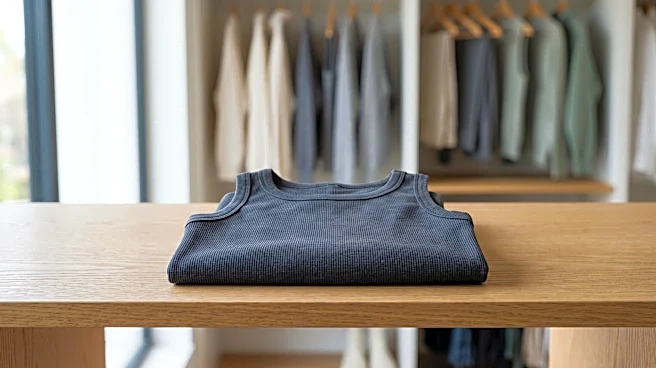
The layer closest to your skin has one critical job: moisture management. When you move, you sweat, and if that moisture stays on your skin, it will make you feel cold and clammy the moment you stop. A good base layer wicks that sweat away from your body, pulling it to the outer surface of the fabric where it can evaporate. For this reason, you should avoid cotton, which absorbs moisture and stays wet. Instead, opt for materials like merino wool, which is naturally odor-resistant and stays warm even when damp, or synthetic fabrics like polyester and nylon that dry very quickly. This layer should fit snugly, but not tightly, to work effectively.
Layer 2: The Mid-Layer Provides Insulation
This is your primary insulating layer, and its job is to retain the body heat that your base layer has helped keep dry. This is where materials with 'loft'—or fluffiness—excel, as they are great at trapping warm air. Classic choices for a mid-layer include fleece, down, and synthetic insulated jackets. Fleece is a versatile and breathable option that stays warm even when it gets a little damp. Down offers the most warmth for its weight but loses its insulating power if it gets wet. Synthetic insulation is a great alternative that mimics the warmth of down but continues to insulate when wet. For everyday wear, a fine-gauge wool or cashmere sweater also makes an excellent, less bulky mid-layer.
Layer 3: The Outer Layer Shields from Elements
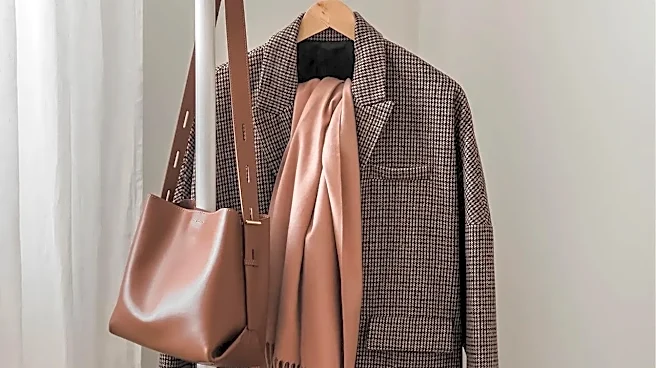
Your outermost layer, or shell, is your protection from the elements. Its main purpose is to block wind and water, which can otherwise steal the warmth your other layers have worked so hard to trap. Without a shell, a strong wind can cut right through an insulating mid-layer like fleece, rendering it ineffective. An outer layer can be anything from a simple windbreaker to a waterproof and breathable hardshell jacket for more extreme weather. For a dry, calm winter day, a stylish wool coat can serve this purpose perfectly, blending function with fashion. This layer completes the system, sealing your self-generated warmth inside.
Putting It All Together for Daily Life
You don't need to be climbing a mountain to benefit from layering. For a typical day that includes a cold commute and a warm office, the system provides perfect adaptability. Start with a synthetic t-shirt or merino wool long-sleeve as your base. Add a zip-up fleece or a cardigan as your mid-layer; something you can easily remove at your desk. Finish with a wind-resistant coat for your journey to and from work. The ability to shed the mid-layer indoors without sacrificing your entire outfit is the key to all-day comfort. You can adjust your 'thermostat' as you move through different environments, ensuring you’re never too hot or too cold.