



In horror, the scariest thing on screen is the monster. But for the studio, the scariest thing is the budget. The single decision of when to show the creature isn't just about suspense—it's a multi-million-dollar gamble that defines the film.
The 'Jaws' Principle: Hiding is Profitable
The most
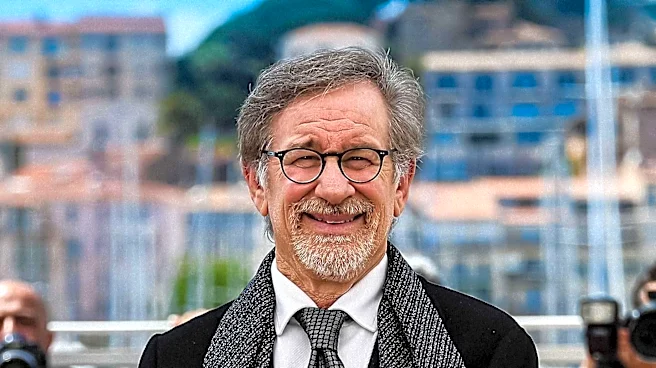
famous example of a monster shaping a budget happened by accident. On the set of 'Jaws' in 1974, the mechanical shark, nicknamed 'Bruce,' was a disaster. It rarely worked. Director Steven Spielberg, facing massive budget and schedule overruns, was forced to get creative. Instead of showing the shark, he implied its presence with John Williams' iconic score, shots from the shark's point-of-view, and terrified reactions from the actors. The result was a masterclass in suspense. The malfunctioning prop, which had ballooned the budget from $4 million to over $9 million, inadvertently created a more terrifying film by keeping the monster hidden. This became a foundational lesson in horror filmmaking: what you don't see is often scarier, and cheaper, than what you do. The monster in 'Alien' (1979) gets less than four minutes of total screen time, yet its presence is felt throughout the entire film, proving that a monster's impact is not measured in minutes, but in dread.
Betting the Farm on the Creature
On the other end of the spectrum are films where the monster is the main event. These productions go all-in, making the creature's design and execution a primary budget expense. Director Guillermo del Toro is a master of this approach. For 'Pan's Labyrinth', the Pale Man—a horrifying creature with eyes in the palms of its hands—became an iconic piece of cinema history despite its limited screen time. While the film had a relatively modest $19 million budget, a significant portion was dedicated to its elaborate practical creature effects. Del Toro even gave up his own salary to ensure the film was completed to his vision. This strategy treats the monster not as a fleeting scare, but as the film's central artistic statement. When a movie like 'A Quiet Place' invests heavily in a unique creature design, the marketing, story, and tension all revolve around that central investment. The gamble is that the monster is so compelling it will become the film's main draw, justifying the expense.
Practical Magic vs. Digital Dollars
The choice between practical effects (costumes, puppets, animatronics) and computer-generated imagery (CGI) is a fundamental budgetary crossroads. Practical effects involve high upfront costs for design, fabrication, and on-set operation. A complex creature suit or animatronic can cost hundreds of thousands of dollars before a single frame is shot. CGI, on the other hand, shifts the cost to post-production, requiring teams of artists, massive rendering farms, and hours of painstaking digital work. The creatures in 'A Quiet Place' were a prime example of a CGI-heavy approach. The design was changed significantly just two months before release because the original wasn't deemed scary enough, a costly and risky move only possible in the digital realm. Many modern films use a hybrid approach, blending a practical on-set creature with CGI enhancements to get the best of both worlds. This allows actors to interact with a physical presence while giving filmmakers the flexibility to refine or exaggerate the monster's features later.
The Reveal as a Financial Climax
Ultimately, the monster 'reveal' is more than just a story beat; it's the moment the film cashes in its biggest special effects check. Every second a complex monster is on screen costs money. A film that shows its creature early and often is committing to a much higher effects budget than one that saves its big reveal for the final act. Low budget horror is filled with ingenious techniques born from this financial reality : quick cuts , strategic darkness , and shots showing only a claw or a silhouette . These aren't just stylistic choices ; they are budgetary necessities . By structuring the narrative around a slow burn , filmmakers can build terror through atmosphere and performance — two things that are far less expensive than a fully rendered digital monster or a complex animatronic . The final , full - body shot of the creature is the culmination of both the narrative tension and the film ' s budgetary strategy , the moment where the story ' s big scare and many production ' s biggest expense finally collide .