








1. Choose Your Battles (and Your Team)
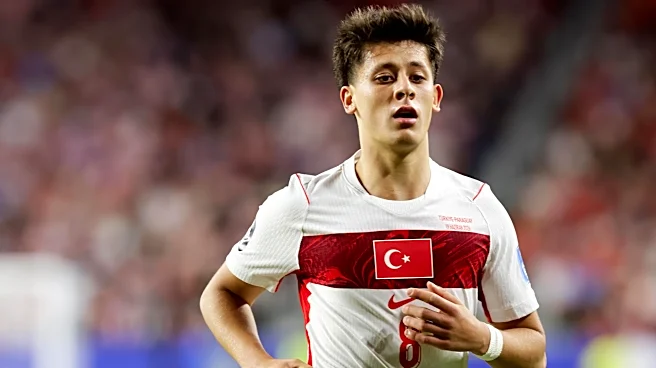
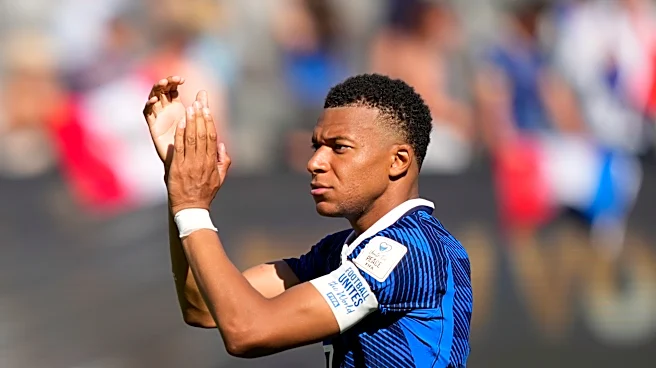
The biggest mistake is trying to watch everything. With dozens of group stage matches, you’ll burn out before the final. Instead, be strategic. Pick one or two teams to follow—maybe a powerhouse like France or Brazil, an underdog story, or the country
of your heritage. Focus your energy on their games. Alternatively, decide to ignore the early chaos and parachute in for the knockout rounds, when every match is a high-stakes drama. This immediately transforms the tournament from an overwhelming content deluge into a manageable, curated experience. You’re not a bad fan for being selective; you’re a smart one.
2. Master the ‘Second Screen’ Experience
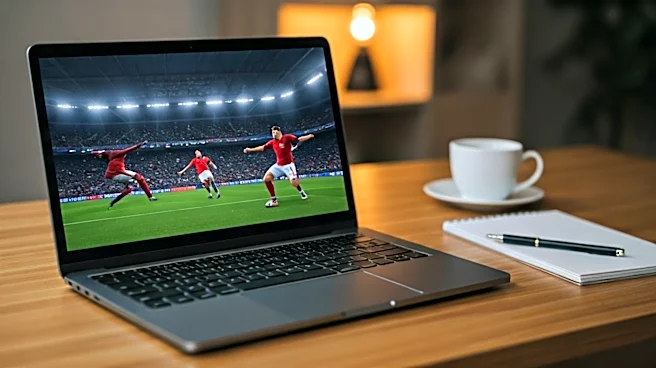
Let’s be realistic: you can’t always dedicate 90-plus minutes of undivided attention to a noon kickoff on a Tuesday. This is where the second screen becomes your best friend. Keep a match streaming silently on a corner of your monitor, a tablet propped up on your desk, or your phone nearby. Even with one earbud in, you can absorb the flow of the game while still chipping away at your to-do list. The key is to treat it as ambient entertainment rather than a primary task. You’ll catch the big moments—the goals, the controversial calls—without derailing your workday. Check your company’s policy, but in many modern offices, this low-key fandom is perfectly acceptable.
3. Embrace the Highlight Reel Lifestyle
Who decided you have to watch every game live? The pressure is self-imposed. A well-edited 10-minute highlight package on YouTube or a broadcaster’s app can give you 95% of the story and 100% of the important action in a fraction of the time. Make it a ritual: when you take a coffee break or finish your lunch, pull up the highlights from a game you missed. This approach lets you stay informed and catch up on your own schedule. Major outlets like Fox Sports, ESPN, and even FIFA itself excel at producing quick, engaging recaps. You get all the beautiful goals without the lulls in between.
4. Curate Your Social Media, Mute the Spoilers
Social media is a double-edged sword during a tournament. It’s great for catching real-time buzz, but it’s also a minefield of spoilers if you’re planning to watch a game on delay. Take control of your feed. On X (formerly Twitter), create a “Soccer” list with a handful of trusted journalists, team accounts, and funny commentators. This lets you dip into the conversation when you want to, without it flooding your main timeline. More importantly, learn to use the “mute” function. Muting keywords like a team’s name, “goal,” or the tournament name before you get a chance to watch is a simple but powerful tool for preserving the suspense.
5. Find Your Low-Commitment Fan Group
You don't need to join a die-hard supporters' club that meets at a bar for 7 a.m. kickoffs. Fandom can be much more casual. Find one or two coworkers who are also casually following along and create a Slack channel or group chat. It’s the perfect place for quick reactions (“Did you see that goal?”), sharing memes, and commiserating over a bad call. This creates a sense of community and shared experience without the pressure of scheduled watch parties or deep tactical debates. It’s about connection, not commitment.
6. Schedule It Like a Meeting
For the one or two matches you absolutely cannot miss—the final, a rivalry game, your adopted team’s big moment—treat it like a real appointment. Block it out on your work calendar. This does two things: it signals to colleagues that you’re busy, and it gives you mental permission to step away from your inbox. Whether you use that time to watch intently at your desk or take a late lunch at a nearby sports bar, formally scheduling it turns a potential distraction into a planned, well-deserved break. It’s the ultimate power move for the gainfully employed fan.