





The Trade Show Before the Spectacle
At its core, Pitti Uomo is—and always has been—a trade show. Started in the 1970s, it’s a biannual pilgrimage for menswear buyers, journalists, and brands to the historic Fortezza da Basso. For decades, the main event happened inside, where retailers
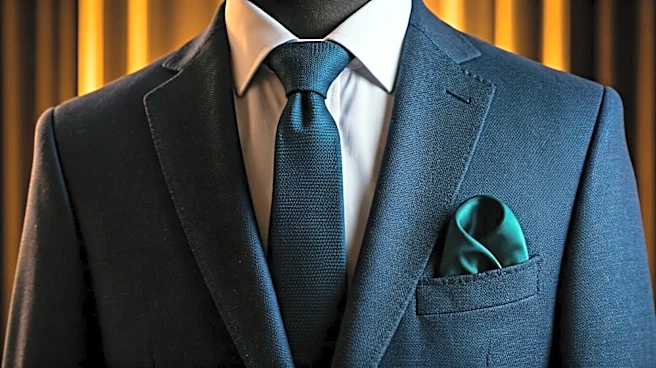
placed orders for the next season and designers showcased their collections. The attendees, mostly Italian men with a natural flair for dressing, were impeccably turned out, but their style was a backdrop, not the main event. They were there for business, and the uniform was a well-cut suit. It was a world of classic, conservative tailoring, understood by insiders but largely invisible to the public.
The Rise of the Digital Runway
Everything changed with the rise of the internet, specifically street style blogs in the mid-to-late 2000s. Photographers like Scott Schuman of The Sartorialist and Tommy Ton began focusing their lenses not on the runway models inside, but on the stylish men congregating in the piazza outside the main exhibition hall. They weren't just taking pictures; they were documenting a specific kind of sartorial expression. Suddenly, the attendees became the show. Their photos, posted online and shared globally within hours, offered a real-time masterclass in personal style. This digital exposure turned the plaza outside the Fortezza into a de facto runway, and the men who walked it became unwitting stars. The incentive structure shifted: being photographed at Pitti became a form of currency, a way to build a personal brand in the nascent world of fashion influencing.
Learning the Language of Sprezzatura
The style that these photographers captured and broadcasted wasn't just any tailoring. It was built on the Italian concept of *sprezzatura*—a studied nonchalance, the art of making the difficult look effortless. This became the core vocabulary of the new global language. It wasn't about wearing a perfect, stuffy suit; it was about injecting personality and a touch of calculated imperfection. Think of the signature Pitti moves that went viral: a double-breasted blazer worn like a cardigan, loafers with no socks, a watch worn over a shirt cuff, artfully unbuckled monk-strap shoes, or a jacket draped over the shoulders. These were specific, repeatable gestures that men anywhere in the world could see online and adopt. Pitti provided the visual playbook, breaking down the often-intimidating world of tailoring into a series of cool, accessible styling tricks.
The 'Pitti Peacock' and Its Global Echo
As the phenomenon grew, so did the theatrics. The pursuit of the perfect street style shot gave rise to the 'Pitti Peacock'—men whose outfits were designed less for personal enjoyment and more for the camera lens. The style became more flamboyant, with bold colors, clashing patterns, and an arms race of accessories. While sometimes mocked, the peacocks served a purpose: they pushed the boundaries of conventional menswear and created unforgettable images that spread like wildfire on Instagram and Pinterest. This visual deluge democratized tailoring. A guy in Ohio or South Korea could see a three-piece suit worn with sneakers and feel empowered to try it. Brands began designing collections with the 'Pitti moment' in mind. The event created a feedback loop: street style inspired designers, who then created clothes that would be worn and photographed at the next Pitti, further cementing its influence.