


More Than Just a Pretty Dress
The Emmys red carpet is one of the most scrutinized fashion runways in the world. While it’s easy to dismiss the parade of couture as frivolous, doing so misses the point. The clothing choices are a powerful form of non-verbal communication, meticulously
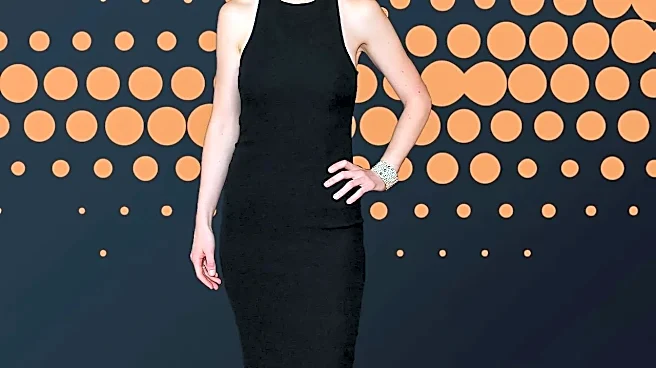
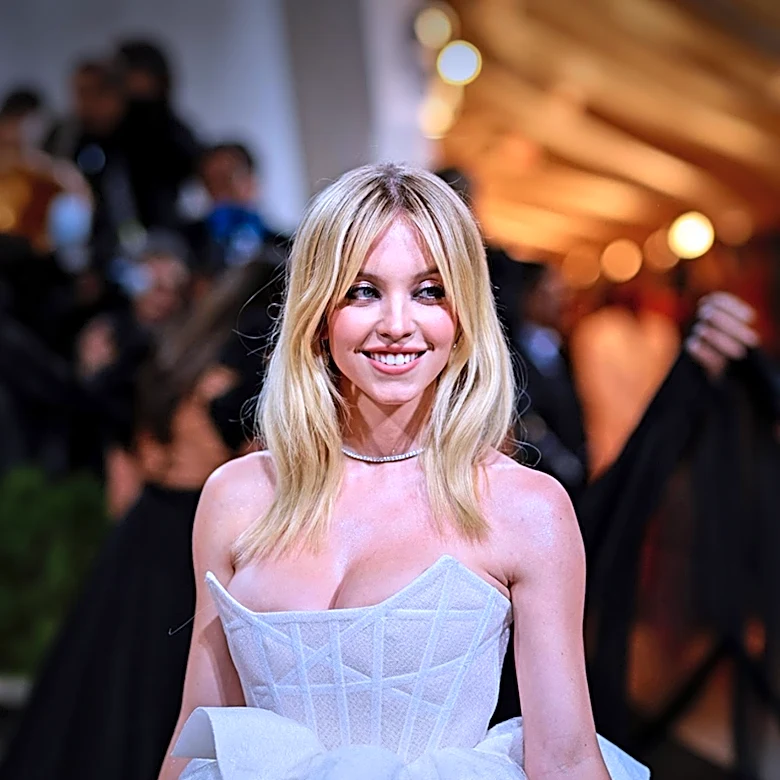
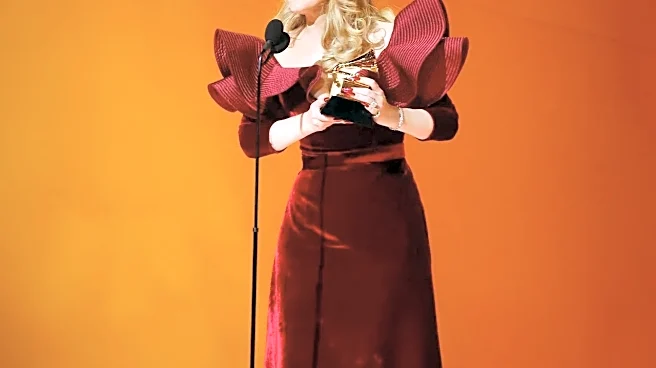
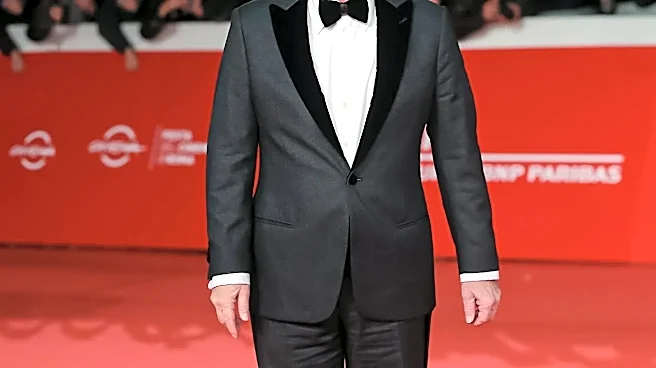
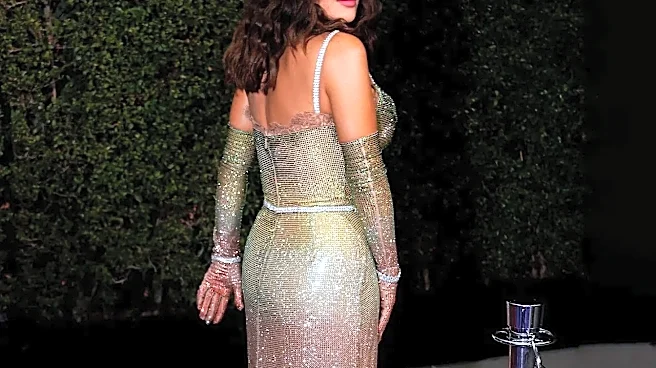
planned by stylists and stars to tell a story. This isn't just about looking good; it's a strategic performance. Every color, silhouette, and fabric is a deliberate choice designed to project a specific image, whether it's one of power, creativity, glamour, or approachability. In this high-stakes environment, fashion becomes a tool for managing a personal brand, where every detail is analyzed by millions. This is the essence of high-attention clothing: garments chosen not just for their aesthetic appeal, but for their ability to convey a message and manage perception on a massive scale.
Enclothed Cognition: The Power Suit's Secret
There's a fascinating psychological principle at play called "enclothed cognition." The core idea is that the clothes we wear don't just change how others see us; they change how we see ourselves, measurably affecting our thoughts and behavior. A now-famous 2012 study found that participants who wore a white coat they believed belonged to a doctor performed better on attention-related tasks than those who wore the same coat but were told it was a painter's smock. On the red carpet, this translates into actors choosing outfits that function as psychological armor. A sharply tailored suit can make the wearer feel more authoritative and confident. A flowing, elegant gown can encourage a feeling of grace and poise. The clothes aren't just an outer layer; they are a catalyst for the star to embody the very confidence and glamour the public expects.
Dopamine Dressing for the Win
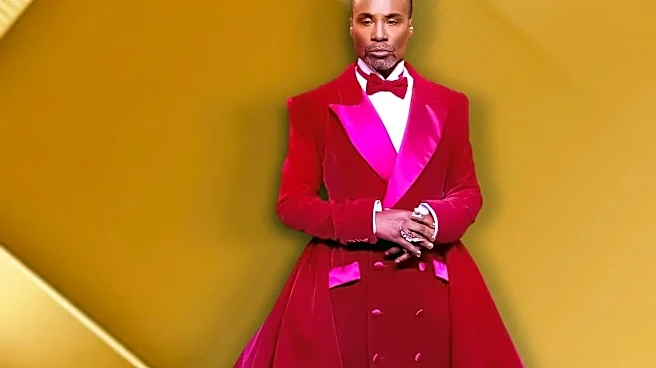
One of the most visible trends in recent years is "dopamine dressing," the practice of wearing clothes, particularly those with vibrant colors and joyful patterns, to intentionally boost one's mood. The term comes from the brain's release of the feel-good neurotransmitter, dopamine. When a star arrives in a brilliant yellow, electric blue, or hot pink gown, they are doing more than just trying to stand out. Research and expert opinion suggest that exposure to bright colors can genuinely elevate mood and project happiness and excitement. This isn't limited to neons; even the confident authority of a well-tailored black suit can be a form of dopamine dressing for the person who feels most powerful in it. It’s a way for a celebrity to influence their own emotional state, generating a feeling of joy and confidence that radiates outward to the audience.
The Narrative in the Threads
Beyond momentary mood boosts, red carpet fashion is increasingly used to craft a longer-term narrative. This is where stylists act as "image architects," a term popularized by Law Roach, the visionary behind many of Zendaya's iconic looks. Choosing a vintage gown from a legendary designer, for example, can communicate a reverence for history and an alignment with timeless elegance. This was seen when stars like Michelle Williams wore archival Chanel, instantly creating a story about legacy and taste. Similarly, a stylist might dress an actor in a way that subtly references the character they're nominated for, creating a meta-narrative that delights fans and demonstrates a deep connection to their work. These choices transform an outfit from a simple garment into a piece of a personal or professional story, adding layers of meaning for those paying attention.
The Calculated Risk of Being Seen
Ultimately, every outfit on the red carpet is a calculated risk. A bold, architectural gown or a brightly colored suit is designed to capture attention, but it also invites intense scrutiny. The process is a collaboration between the star and their stylist, who must balance trend-awareness with the celebrity's personal brand and comfort. Outfits are often rehearsed, especially if they are complex, to ensure the star can walk and pose with confidence. This preparation acts as a "judgment shield," reducing the anxiety that comes with being the center of attention and allowing for more authentic engagement. Whether the choice is an explosion of color, an exaggerated silhouette, or a nod to Old Hollywood glamour, the goal is the same: to use clothing to navigate a high-pressure environment and make a statement that will resonate long after the cameras have stopped flashing.