

The Perennial Question: What Counts as Americana?
Every year at AmericanaFest, the genre’s biggest gathering in Nashville, the same question bubbles up: what exactly is Americana? Officially, the Americana Music Association (AMA) calls it a blend of roots, folk, country, blues, and soul. But on the ground,
that definition is constantly being debated. It’s an umbrella for music that sits outside the polished mainstream, but as artists blend in more rock, pop, and R&B, the lines get blurrier. These backstage debates matter because they influence who gets booked for festivals, who gets nominated for awards, and which artists are welcomed into the fold. For artists, the label can be both a useful way to connect with an audience and a creative straitjacket in an industry that likes neat boxes. The conversations happening now are deciding whether that umbrella widens or if its edges begin to fray.
The Money Talk: A Brutal New Touring Reality
For years, the road was where Americana artists made their living. In 2026, that's no longer a given. The economics of touring for independent and mid-tier artists have become punishing. While streaming revenue for many remains a trickle, the costs of fuel, lodging, and vehicle rentals have soared. Reports from earlier in the year showed that even a moderately successful tour can lose money if a few shows underperform or a van breaks down. This financial pressure is a constant topic of conversation among managers, agents, and the artists themselves. They’re grappling with how to survive in a world where festival fees for emerging acts barely cover costs and headlining your own club tour is a major financial gamble. The solutions being discussed—from building direct-to-fan subscription models to seeking more lucrative sync licensing deals—will determine which artists can afford to keep making music next year.
A Wider Circle: The Push for Real Inclusion
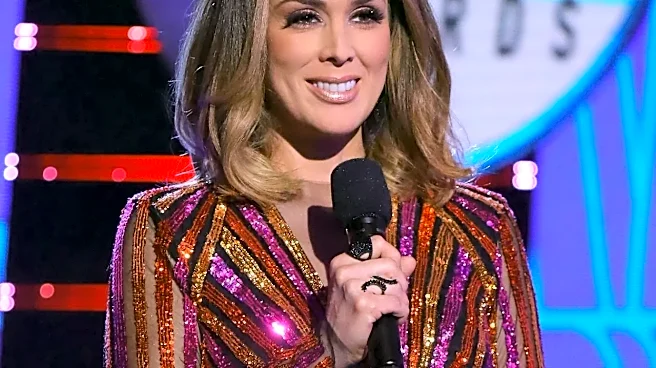
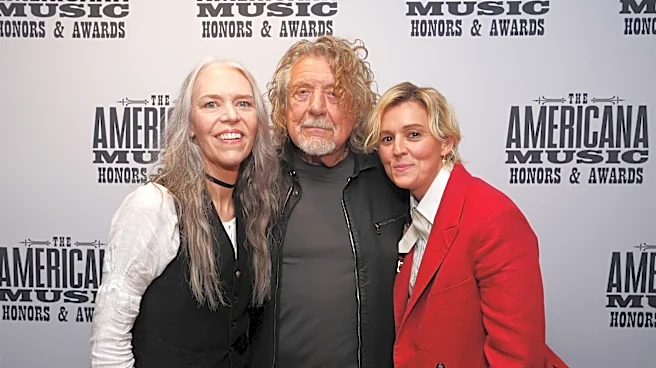
The Americana community has been publicly reckoning with its identity, striving to be a more inclusive space. The Americana Music Association has a dedicated Diversity & Inclusion Committee tasked with ensuring its events and platforms spotlight Black, Hispanic, and LGBTQIA+ voices. This isn't just a PR move; it's a core conversation happening at all levels. Panels at AmericanaFest are now curated to celebrate the cultural impact of these communities on American roots music. Onstage at the recent 2026 Honors & Awards, presenters and artists celebrated human creativity in the face of AI and highlighted diverse performers. But the real work happens in the booking meetings and label A&R discussions that follow. These conversations are about moving beyond tokenism to fundamentally reshape a genre that has, for too long, presented a narrow slice of the American experience.
The Nashville Nexus: Indie Spirit vs. Mainstream Gravity
Americana often defines itself by what it’s not: mainstream, formulaic Nashville country. Yet, its biggest event takes place in the heart of Music City, and its gravitational pull is undeniable. Backstage, you'll hear artists and industry vets debating the pros and cons of mainstream collaboration. Getting a song cut by a country superstar or landing a high-profile production deal can be a financial lifeline. This year's awards saw major names like Tyler Childers and Brandi Carlile take home top honors, artists who successfully walk the line between the indie and mainstream worlds. At the same time, independent labels like Dualtone are celebrating decades of success by proving there's a sustainable path outside the major-label system. The essential tension—how to maintain artistic integrity while achieving financial stability—is at the heart of Americana's future, and the alliances forged in these quiet moments will dictate its direction.