



An Uneven Battlefield
Let’s be honest: for years, the narrative has been that streaming is the future and cable is the past. Streaming services offer vast libraries of content on-demand, while traditional cable provides a more structured, and often more expensive, channel-based
experience. But as the streaming market has become saturated and multiple subscriptions have made the cost nearly equal to a premium cable package, a new front has opened in the battle for your attention. It’s no longer just about who has the most shows; it’s about the quality of the viewing experience. Cable networks, unable to compete with the sheer volume of content produced by tech giants, are doubling down on making their flagship programs feel undeniably premium, and they're doing it in the final stages of production.
What is 'Finishing,' Anyway?
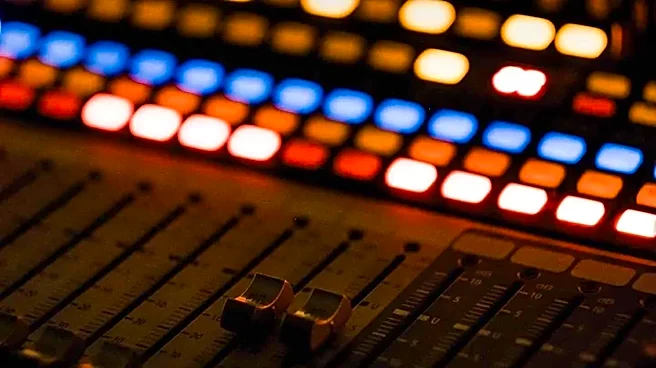
“Finishing” is the final polish a show gets before it airs, specifically in the realms of color and sound. Think of it like this: shooting the show is like buying high-quality ingredients, and editing is like preparing the meal. Finishing is the final plating and seasoning. Color finishing, or color grading, is where artists meticulously adjust the hue, saturation, and contrast of every shot. It’s not just about making things look bright; it’s about creating a consistent mood, guiding the viewer’s eye, and ensuring the director's visual intent translates perfectly to the screen. Sound finishing involves cleaning up dialogue, mixing in sound effects and music, and balancing audio levels to create an immersive soundscape. When done with discipline, the result is a show that doesn't just look good—it feels cohesive, cinematic, and expensive.
Streaming's 'Good Enough' Problem
The great advantage of streaming is also its potential weakness: scale. To feed the beast, streaming platforms release an overwhelming amount of content, and the quality can be all over the map. For every gorgeously produced blockbuster series, there are dozens of other shows where the picture might look muddy, the sound inconsistent, or the overall presentation just a bit flat. This is often due to rushed production schedules, varied technical standards, and the simple fact that not every project gets the same level of attention. Viewers may not know the technical terms, but they can feel the difference between a meticulously crafted show and one that was simply pushed out the door. This inconsistency is the gap cable is aiming to exploit.
Weaponizing the Final Polish
By committing to a high, uniform standard of color and sound finishing across their premier programming, cable networks are making a strategic bet on perceptual value. The goal is to make their offerings feel fundamentally more professional and polished than the average streaming show. It's a way to differentiate their product without needing a billion-dollar production budget for every series. When a viewer flips to a flagship cable drama, the network wants the rich, consistent colors and clear, dynamic audio to immediately signal quality. This disciplined approach ensures that whether you're watching on a high-end 8K television or a standard HD set, the presentation is optimized and intentional, avoiding the visual noise and audio inconsistencies that can plague lower-priority streaming content.
What This Means For Your Remote
For the audience, this behind-the-scenes arms race is a net positive. It means that as you browse, you might find that certain channels just seem to have a more cinematic “feel.” The action sequences might sound more impactful, the dramatic scenes might look richer and more textured, and the overall experience might feel less like disposable content and more like a feature film. You may not be able to articulate exactly why a show on one network looks and sounds better than a similar one on a streaming app, but your brain will register the difference. In an era of content overload, this quiet commitment to quality is cable's secret weapon to prove that sometimes, how you tell the story is just as important as the story itself.