





The Scars of a Bad Breakup
Let’s rewind to 2019. The finale of 'Game of Thrones' wasn’t just a divisive ending; for many, it felt like a betrayal. After eight seasons of intricate world-building and character development, the rushed conclusion left a significant portion of its
global fanbase feeling shortchanged. The backlash was swift and brutal, spawning petitions, memes, and a lingering sense of disappointment. In the ruthless currency of the streaming wars, this was a massive debit. HBO, the architect of television’s golden age, had damaged the implicit contract with its audience: the promise that your investment of time and emotion would be rewarded with a satisfying story. This wasn't just a creative stumble; it was a brand crisis. It raised a critical question: would anyone trust HBO with Westeros again?
The HBO Promise
Before we can understand the recovery, we have to define what was broken. HBO's brand isn't just about 'prestige television'; it's about a specific kind of trust. For decades, the glowing, static-filled HBO logo promised a certain baseline of quality. It meant A-list talent, cinematic production values, and, most importantly, a commitment to adult, character-driven storytelling without the constraints of network television. From 'The Sopranos' to 'Succession,' audiences learned to trust that an HBO show, even one they didn't personally love, would be impeccably made and narratively ambitious. This is 'brand trust' in its purest form. It’s the viewer’s belief that the company respects their intelligence and their time. The 'Game of Thrones' finale suggested that this trust was, perhaps, negotiable. That's a dangerous proposition in an era where viewers have endless alternatives a click away.
Forging a New Crown
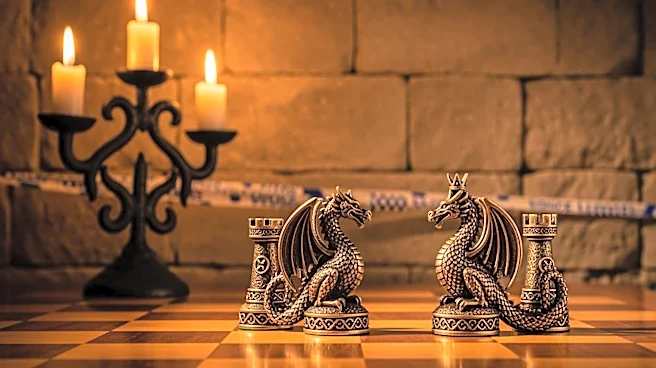
Faced with this challenge, HBO’s strategy with 'House of the Dragon' was a masterclass in brand repair. Instead of a radical departure, they offered a strategic return to form. The prequel was set in a familiar, beloved era of Westerosi history, anchored by the iconic Targaryen dynasty. The marketing didn’t promise to reinvent the wheel; it promised a better-built version of the same wheel. The message was clear: 'We heard you. We’re going back to what worked.' They brought in George R.R. Martin in a more central creative role, a public signal of fealty to the source material. The show itself delivered on this promise, focusing on the core strengths of early 'Game of Thrones': vicious court politics, complex family drama, and morally gray characters, all punctuated by spectacular dragon-fueled violence. It wasn't just a new show; it was an apology and a renewal of vows.
Why Trust Outweighs IP
The record-breaking viewership for 'House of the Dragon' proved that audiences were willing to give HBO another chance. But the show's sustained success and critical acclaim demonstrated something more profound. In a landscape littered with failed franchise extensions and cynical IP cash-grabs, HBO showed that *how* you use your intellectual property is as important as owning it. Amazon has Tolkien, but 'The Rings of Power' struggled to earn the same passionate loyalty. Disney has Star Wars and Marvel, but franchise fatigue is a palpable threat. The success of 'House of the Dragon' wasn't just about dragons and thrones. It was about execution. Viewers came back because, deep down, they trusted that HBO was still the network most likely to pour the resources, care, and talent into a project to get it right. They trusted the brand more than they distrusted the memory of a bad ending.