





The Final Frontier of Y2K Nostalgia
For the past several years, fashion has been on a relentless archaeological dig into the late 90s and early 2000s. We’ve welcomed back low-rise jeans, claw clips, baguette bags, and even the controversial trucker hat. In this context, the return of the toe
ring isn’t just random; it feels inevitable. It was one of the last remaining accessories from the era to be reclaimed. While its predecessors were often bold and kitschy—think chunky plastic or whimsical dolphin charms—the toe ring’s re-entry is part of the full Y2K aesthetic cycle. It represents a commitment to the look, from head to, quite literally, toe. It’s the finishing touch on a revival that has dominated runways and street style, signaling that we've reached a new level of dedication to the era.
It’s Not Your Mall-Rat Toe Ring
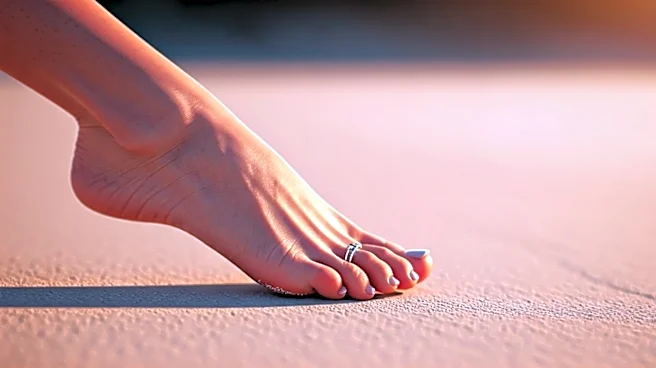
Let’s be clear: the 2024 toe ring is a different beast from its ancestor. The modern iteration is less about teenage rebellion and more about an understated, 'quiet luxury' sensibility. Forget the adjustable, silver-plated bands that turned your toe green. Today’s versions are crafted from solid gold or sterling silver, often featuring minimalist designs—a simple, elegant band, a delicate chain, or perhaps a tiny, bezel-set diamond. Brands known for their delicate, layerable jewelry are now offering toe rings that align with a more grown-up aesthetic. This isn't an impulse buy from a beachside kiosk; it's a considered piece of jewelry, meant to be worn with the same intentionality as a favorite necklace or pair of earrings. The focus is on quality and subtlety, transforming the accessory from a fleeting fad into a piece of fine jewelry.
The Psychology of Vacation Glamour
There’s a reason this trend is bubbling up specifically in the “resort accessory” category. Toe rings are fundamentally linked to being barefoot or wearing open-toed shoes. They belong to sandy beaches, poolside lounges, and sun-drenched terraces. Wearing one is a subtle signal that you are in a state of leisure and escape. It implies a fresh pedicure and a relaxed state of mind. In a post-pandemic world where travel and escapism are highly prized, accessories that evoke that vacation feeling have a powerful allure. A toe ring is a small detail that says, “I am off-duty.” It’s a form of personal adornment that is almost exclusively for the wearer’s own enjoyment and for those who look closely, embodying a carefree, sun-kissed confidence that is the very essence of resort style.
The Celebrity Seal of Approval
No trend truly takes hold without a push from pop culture. Style influencers and celebrities have been subtly reintroducing the toe ring into the mainstream. Spotted on the perfectly pedicured feet of stars vacationing in St. Barts or the Amalfi Coast, the accessory gets an instant dose of aspirational cool. When a style icon like Hailey Bieber or Zoë Kravitz is photographed wearing one, it shifts public perception from dated to desirable. Social media amplifies this effect, with a single well-placed Instagram post reaching millions and cementing the toe ring as a coveted item. This celebrity endorsement provides the visual proof that the accessory can, in fact, look chic and modern, encouraging fashion-forward followers to give it a second chance.
A Deeper Cultural History
While the West associates toe rings with 90s counter-culture, it's important to acknowledge their much deeper and more significant roots. In India, toe rings, known as 'bichiya,' have been worn for centuries by married women. Typically worn in pairs on the second toe of both feet, they are traditionally made of silver and are rich with cultural and social symbolism, believed to be connected to the reproductive system and overall well-being. This history provides a layer of global context to the accessory, reminding us that what becomes a fleeting trend in one culture can hold profound meaning in another. The modern fashion interpretation may be new, but the act of adorning toes is an ancient practice.