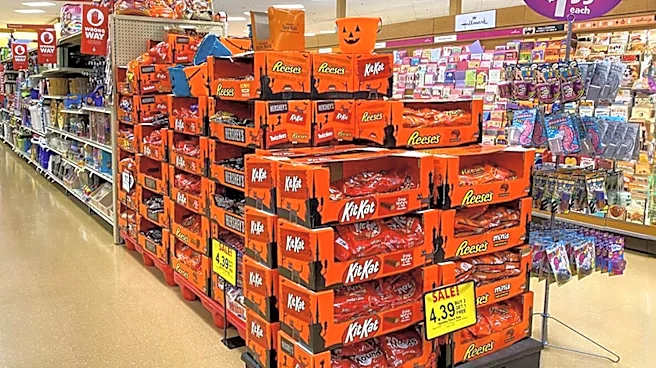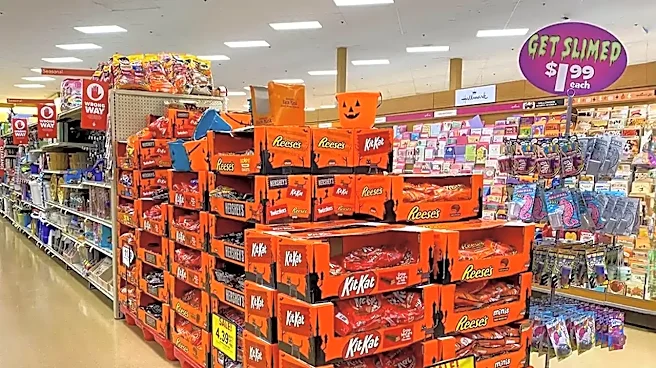





The moment you see Halloween candy in August, you know 'seasonal creep' is real. But this trend is more than an oddity; it's a seismic shift. For retailers, the shopping season now starts so early it breaks traditional business models.
The Way It Used to Be
Not long ago, the
Halloween retail season followed a predictable rhythm. Decorations and costumes would appear on shelves in September, but the real action—and the most valuable sales data—arrived in October. Businesses relied on this mid-October surge. As certain costumes or decorations gained popularity, word-of-mouth would spread. Friends told friends, local news might feature a popular item, and this organic buzz gave companies a crucial signal. They could watch these trends unfold and make last-minute adjustments to inventory, shipping popular items to stores where they were selling fastest. This model wasn't perfect, but it allowed retailers to react to what customers were actually buying and talking about during the season's peak. Forecasting was a blend of historical data and real-time feedback from the most important weeks of the holiday.
The New September Rush
Today, that calendar is in shambles. According to the National Retail Federation, a staggering 49% of Halloween shoppers now start buying in September or even earlier. This isn't a gradual build; it’s a front-loaded explosion of demand. The most coveted items often sell out weeks before Halloween, long before traditional word-of-mouth has a chance to build. By the time a product becomes a talking point in mid-October, it's likely already gone. This completely upends the old forecasting model. The 'discovery window'—when shoppers are browsing and getting ideas—now happens over the summer, fueled by a 'Summerween' trend. For retailers, this means the peak sales data arrives too late to be actionable for the current season.
What's Driving the Early Frenzy?
Several powerful forces are converging to pull the Halloween season forward. The most significant is social media. Platforms like TikTok and Instagram have become the primary source of inspiration for younger consumers, with 43% of Gen Z citing social media as a key influence. A viral video can create massive, instantaneous demand for a specific item, turning it into a must-have before most stores have even finished their main seasonal setup. Another driver is a lingering scarcity mindset. Years of headlines about supply chain disruptions have trained consumers to buy what they want the moment they see it, fearing it won't be there later. Finally, there's a cultural shift. Many people simply want to enjoy the season longer, and decorating early is part of the experience. For 42% of early shoppers, their motivation is simply that they look forward to the fall season.
The Billion-Dollar Guessing Game
This frontloaded demand creates a nightmare for inventory planners. The core challenge of seasonal retail is ordering the right amount of product. Order too much, and you’re stuck with a warehouse full of discounted skeletons on November 1, destroying your profit margin. Order too little, and you face stockouts on popular items, missing out on sales and disappointing customers. With 2026 Halloween spending projected to hit a record $13.5 billion, the stakes are enormous. Without the benefit of midseason wordofmouth, companies must make their biggest inventory bets months in advance, based on predictive analytics and social media listening rather than realtime sales data. It transforms forecasting from a reactive science into a highstakes guessing game.
How Businesses Are Adapting
In response, savvy retailers are throwing out the old playbook. Instead of waiting for wordofmouth, they are using AI and machine learning to analyze social media trends, trying to spot the 'next big thing' before it goes viral. Some are improving demand forecasting accuracy by over 40% by integrating social media sentiment into their models. Companies are also shifting their marketing efforts, launching campaigns in late summer to capture shoppers during the early discovery phase. They are also changing what they sell, focusing more on bundled experiences—like a complete costume with accessories—to increase the value of each early purchase. The goal is no longer to react to the peak season but to shape it, using data to get the right product in the right place before the customer even knows they want it.