





The Two-Tier System: Press vs. Public
The most fundamental logic splitting the London Film Festival (LFF) schedule is the division between screenings for the press and industry, and those for the general public. These two tracks operate with different goals and on different timelines. Press
and Industry (P&I) screenings are all about generating buzz and facilitating business. They often begin before the festival officially opens to the public, with a dedicated pre-festival run for accredited journalists and buyers. These screenings are typically held during weekday mornings and early afternoons, allowing critics time to write and file reviews before the public has even had a chance to see the film. This strategic timing is designed to build anticipation; a wave of positive reviews from early press screenings can turn a small indie film into a hot ticket by the time its public showings begin. It's a calculated effort to control the narrative and ensure the most-talked-about films dominate the conversation.
The Hierarchy of Hype: Galas and Presentations
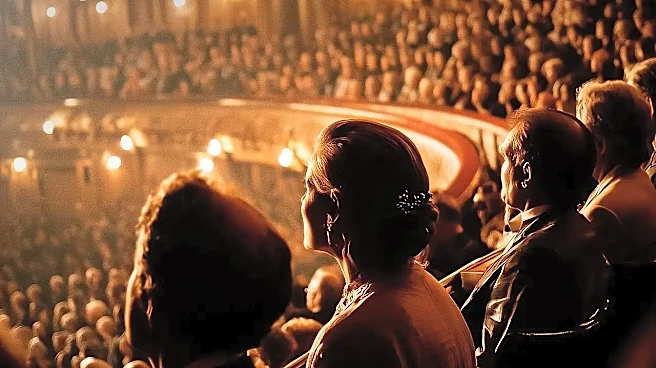
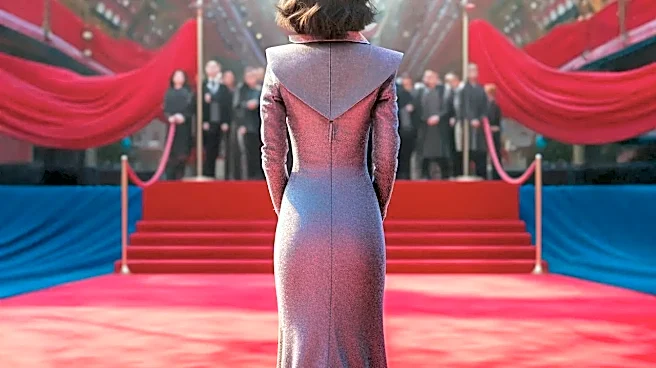
Not all screenings are created equal. The festival's crown jewels are the Galas—major red-carpet premieres held at prestigious venues like the Southbank Centre's Royal Festival Hall. These are the opening, closing, and centerpiece films of the festival, chosen for their star power and awards potential. Their placement in the schedule is paramount, securing glamorous evening slots to maximize media attention. Special Presentations function as a secondary tier of high-profile films. While they may not get the full Gala treatment, they are still significant titles that the festival wants to highlight. For the press, these big-ticket films are often scheduled first thing in the morning, sometimes as early as 8:30 AM, to ensure reviews can land ahead of the evening's public premiere. This creates a daily rhythm where the press corps sees the buzziest titles at dawn, while the public experiences the glitz and glamour at dusk.
A Journey of Discovery for the Public
While the press schedule is built for efficiency, the public schedule is designed for discovery. To help audiences navigate the hundreds of films, the LFF organizes its program into thematic strands like 'Love', 'Dare', 'Thrill', and 'Cult'. This curatorial approach allows festival-goers to choose films based on mood and interest rather than just director or star. It transforms the overwhelming program into a series of curated cinematic journeys. Public screenings typically start in the mid-afternoon and run late into the evening, catering to people attending after work. Furthermore, many public screenings are enhanced with director Q&As and cast appearances, turning a simple viewing into a memorable event. This focus on experience is a deliberate strategy to position the LFF as a public-facing festival, emphasizing access and engagement over industry exclusivity.
The Unseen Puzzle: Venues and Logistics
Beyond the strategic goals of generating buzz and engaging audiences, the schedule is fundamentally shaped by a complex logistical puzzle. The LFF is spread across multiple venues in London, from the BFI Southbank to commercial cinemas in the West End. A film's technical requirements, the expected audience size, and the availability of talent for a Q&A all dictate where and when it can be screened. A major premiere needs a large, glamorous venue like the Royal Festival Hall, while a niche documentary might play in a smaller arthouse cinema. Organizers must also manage the 'traffic' of film prints (or digital files) and the schedules of visiting filmmakers, who may only be in town for a few days. Even the screening times themselves are precise; unlike regular cinemas, festival films start exactly at their advertised time, with no trailers, to keep the tightly packed schedule moving. This intricate dance of logistics is the invisible scaffolding that holds the entire festival together.