





The Science of Sealing
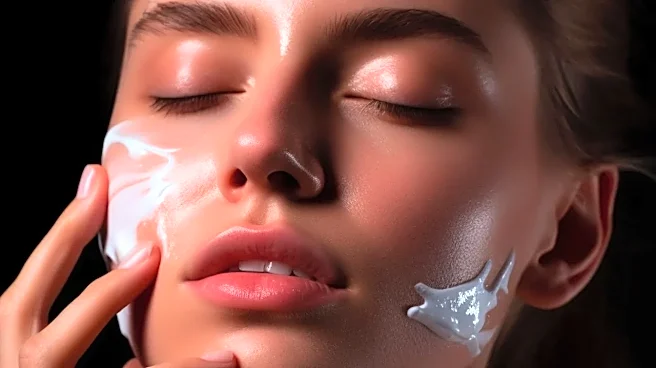
Slugging involves applying a thin layer of an occlusive product, most commonly petroleum jelly, as the final step in your evening skincare routine. The name comes from the shiny, slug-like trail it leaves on your skin. While the term is trendy, the technique
itself has been a trusted method in many communities for decades. The principle is simple: the occlusive agent creates a physical barrier on your skin’s surface. This seal does two key things: it prevents 'transepidermal water loss' (the natural evaporation of moisture from your skin overnight) and it locks in the hydrating serums and moisturizers you applied beforehand, making them more effective. Studies have shown that petrolatum can reduce water loss by up to 99%, making it one of the most powerful tools for preserving skin hydration.
The Glow-Up: Who Benefits Most
Slugging can feel like a miracle for certain skin types. If your skin constantly feels tight, flaky, or thirsty, you're the ideal candidate. People with naturally dry or dehydrated skin stand to gain the most, as the technique directly addresses their core issue: an inability to retain moisture. It’s also a game-changer for anyone with a compromised skin barrier. This can happen from exposure to harsh winter weather, over-exfoliating with strong acids, or using powerful retinoids that cause peeling. In these cases, slugging acts like a soothing, protective blanket, giving the skin a calm environment to heal and rebuild. Those with mature skin, which tends to become drier over time, can also see significant benefits in plumpness and reduced appearance of fine lines. Even sensitive skin often responds well, as the barrier helps shield it from potential irritants.
The Breakout Risk: Who Should Proceed with Caution
While slugging is transformative for some, it can be a recipe for disaster for others. If you have oily or acne-prone skin, you should think twice. Although petroleum jelly itself is non-comedogenic (meaning it doesn’t clog pores on its own), its occlusive nature is the problem. By creating an impenetrable seal, slugging can trap excess oil, dead skin cells, and acne-causing bacteria against the skin, potentially leading to congestion, blackheads, and new breakouts. People prone to milia—small, hard white bumps that form when keratin gets trapped beneath the skin's surface—may also find that the heavy barrier from slugging encourages their formation, especially around the eyes. If your skin is already well-balanced or produces plenty of its own oil, adding a thick occlusive layer is often unnecessary and can disrupt your skin’s natural equilibrium.
Your Guide to Slugging Safely
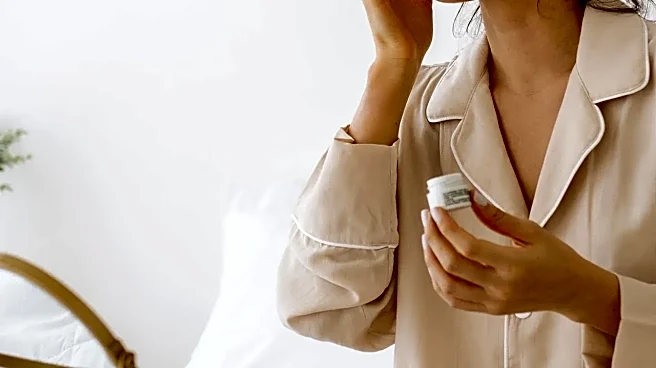
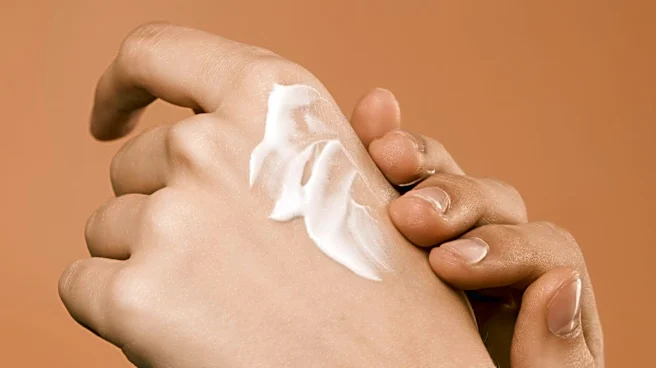
If you've decided slugging is right for you, proper technique is everything. First, always start with a thoroughly cleansed face; slugging over dirt or makeup will only trap impurities. After cleansing, apply your hydrating products, like a hyaluronic acid serum, followed by your regular moisturizer. Allow these to absorb for a minute. Then, take a pea-sized amount of petroleum jelly, warm it between your fingertips, and gently pat a thin, even layer across your face. More is not better; a thick layer just feels heavy and makes a mess on your pillowcase. It’s also crucial to avoid slugging on nights you use potent active ingredients like retinoids or exfoliating acids (AHAs and BHAs). Sealing these in can dramatically increase their potency and lead to significant irritation. For most people, slugging isn't an every-night routine. Try it two or three times a week or whenever your skin feels particularly parched.