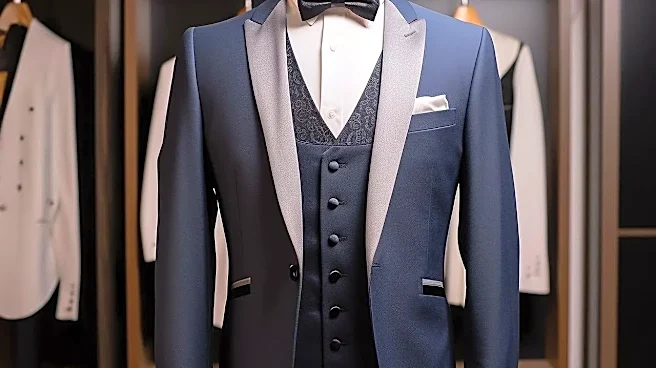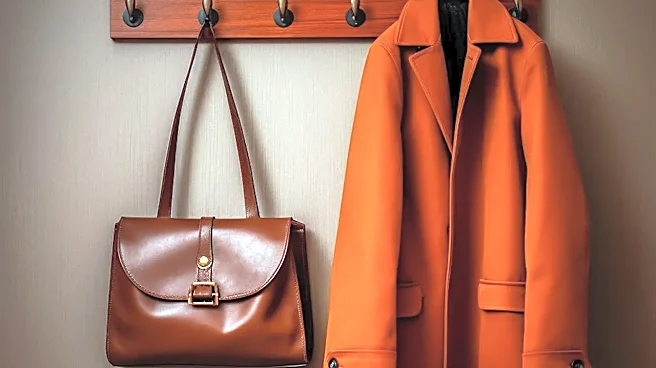





Start with the Fabric Itself
Before you even consider the cut, focus on the material. A high-quality wool coat begins with high-quality wool. Gently touch the fabric; it should feel smooth and dense, not scratchy or fuzzy. Look for labels that specify the type of wool. Merino is
soft and durable, while cashmere and alpaca offer superior warmth and a luxurious feel, though they can be more delicate. A good rule is to seek out coats with at least 70-80% wool content for optimal warmth and breathability. Gently rub an inconspicuous area. If the fabric immediately starts to form small balls (pilling), it suggests the use of shorter, lower-quality fibers that will show wear quickly. A dense, tight weave that you cannot see through is another sign of durability and warmth.
The Interior: Fused vs. Canvassed
This is one of the biggest differentiators between mass-market coats and high-end tailoring. The front of a jacket needs an internal layer for structure and shape. In most affordable coats, this layer is a “fusible” interlining that is glued onto the wool. This method is fast and cheap, but it can create a stiff, lifeless drape and may lead to bubbling or delamination after a few trips to the dry cleaner. A superior coat is “canvassed.” Here, an interlining made of materials like horsehair and cotton is stitched, not glued, to the interior. This allows the coat to drape naturally and mold to your body over time. You can check for this with a “pinch test”: pinch the fabric below the bottom buttonhole. If you can feel three distinct layers—the outer wool, the inner lining, and a floating layer in between—you’ve likely found a canvassed or half-canvassed garment, which is a significant mark of quality.
A Look at the Lining
The lining is more than just a finishing touch; it’s crucial for comfort, durability, and a professional appearance. A quality coat should be fully lined, which helps it slide easily over your other clothes and protects the wool from internal friction and sweat. Look for linings made from breathable, silky materials like Bemberg (a high-grade rayon), cupro, or silk. Avoid shiny, static-prone polyester, which can feel clammy and restrict movement. The lining should hang freely at the bottom with a small inverted pleat for ease of movement, often ending about an inch shorter than the coat itself. This prevents the lining from pulling or creating tension on the outer shell.
Examine the Seams and Stitching
The quality of the stitching is a direct reflection of the care taken during manufacturing. All stitches should be straight, even, and dense, with no signs of loose threads or puckering, especially in visible areas like the collar and lapels. High-stress areas like the armholes and pockets should have reinforced stitching. On a particularly well-made coat, you might find bound or French seams on the interior, which encase the raw fabric edges. This prevents fraying and is a hallmark of superior construction that adds to the garment’s longevity.
Buttonholes and Hardware Tell a Story
Never underestimate the small details. Buttons on a premium coat are typically made from natural materials like horn, corozo, or metal, not cheap plastic. They should be attached securely with a thread shank, creating a small bit of space that makes buttoning easier. The buttonholes themselves are another key indicator. Machine-made buttonholes can be perfectly fine, but look for dense, neat stitching without any frayed edges. On bespoke or very high-end jackets, you might even find hand-sewn or Milanese buttonholes, which are raised and almost sculptural—a clear sign of artisanal craftsmanship. Functional sleeve buttons, sometimes called “surgeon’s cuffs,” are another detail often reserved for more expensive garments.