
An Escape from the Everyday
At its core, the fascination with Burning Man stems from its promise of a radically different reality. It's not a music festival like Coachella, where you buy a ticket to watch performers. Instead, it’s the temporary creation of a city—Black Rock City—founded
on a set of ten principles. Two of the most powerful are “decommodification” and “gifting.” In a world saturated with advertising and transactions, the idea of a place where money has no power is profoundly alluring. Nothing is for sale (except ice and coffee), and commerce is replaced by a gift economy, where people share resources unconditionally. For those of us navigating a hyper-commercialized world, this temporary society feels like a fantasy, a glimpse into a more connected, less transactional way of living.
The Freedom to Be Someone Else
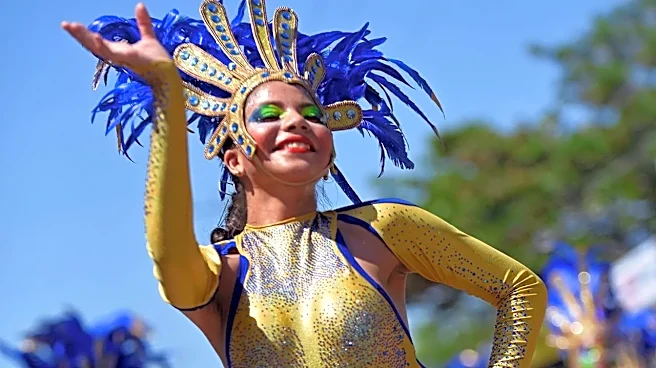
Another key principle, “radical self-expression,” is central to the event's mystique. This is the engine behind the wild costumes and otherworldly personas seen in photos. In daily life, most people operate within strict social and professional norms. Burning Man offers a temporary reprieve from those constraints, a dusty playground where you can explore a different version of yourself without judgment. It’s a space that encourages participants to become the spectacle. This visual freedom is magnetic; it suggests a level of personal liberation and creativity that many people crave but rarely get to experience. We're not just watching a party; we're watching thousands of people engage in a collective act of imaginative release.
Art That Asks Big Questions
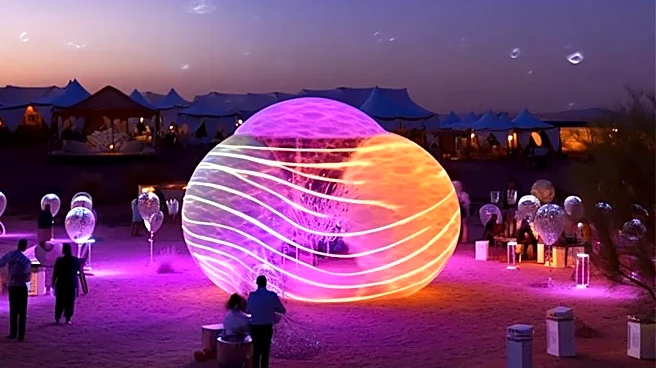
The art of Burning Man is unlike gallery art. It's monumental, interactive, and built to exist for only a week. Fire-breathing dragons, impossibly large wooden ships sinking into the desert, and glowing, otherworldly structures populate the landscape. These aren't just for looking at; they are environments to be explored. The scale and ambition of these projects, often created by volunteers over months, are awe-inspiring. Recent installations for 2026, for example, include a pavilion inspired by an ancient Japanese cedar tree and a structure that looks like a sinking Titanic, prompting reflections on technology and hubris. This art is designed for a participatory experience, and its temporary nature makes it all the more potent.
A Modern Ritual of Fire and Release
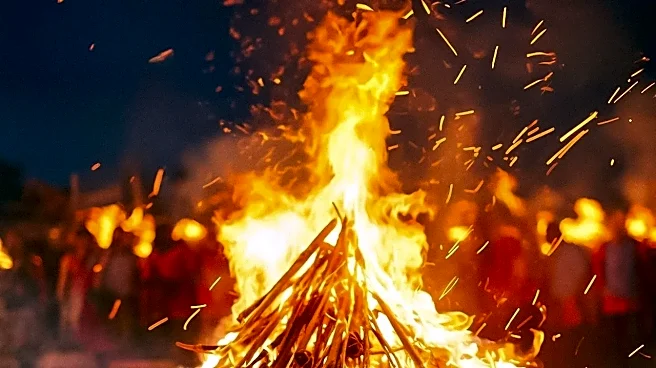
Beyond the nightlife and parties, two powerful rituals anchor the Burning Man experience and are key to its fascination: the burning of the Man and the Temple. The Man burn is a celebratory, explosive moment marking the climax of the week. The Temple burn, held the following night, is a stark contrast. The Temple is a massive, intricate structure that serves as a non-denominational space for remembrance and catharsis. Throughout the week, participants cover its walls with messages, photos, and mementos of loved ones lost, regrets, and hopes. On the final Sunday, it is burned in silence, a collective act of letting go. This ritual of shared mourning and release is deeply human and resonates far beyond the desert, tapping into a primordial need for ceremony that transcends culture and religion.