





It’s a beloved autumn ritual: your favorite TV characters are suddenly dealing with zombies, ghosts, or killer aliens. The events are never mentioned again. So why do these continuity-breaking Halloween specials get a free pass from fans?
An Unspoken Holiday Agreement
When you tune
into a sitcom or drama, you have certain expectations. The story progresses, characters evolve, and events have consequences. This is the 'canon'—the established truth of the show's universe. But for one night in October, all bets are off. The Halloween special operates under an unspoken agreement between the creators and the audience: this doesn't 'count'. It’s a temporary vacation from the rules. Fans understand that the episode is a seasonal treat, a chance to see a familiar world turned upside down for fun, not for plot development. This shared understanding is the foundation that allows a show to kill off its entire cast in one scene and have them back, unharmed, the following week.
The 'Treehouse of Horror' Effect
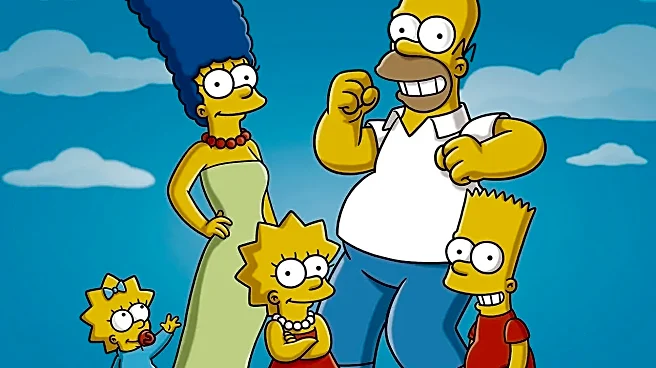
'The Simpsons' didn't invent the holiday special, but its annual 'Treehouse of Horror' episodes perfected the non-canon formula. Debuting in 1990, these episodes established a tradition of telling three separate, ghoulishly violent, and completely standalone stories inspired by horror and sci-fi classics. By making it an annual event, 'The Simpsons' taught audiences to anticipate and embrace the break from reality. The 'Treehouse of Horror' episodes became a playground for writers to parody everything from 'The Shining' to 'The Twilight Zone,' creating some of the series' most iconic moments without altering the status quo of Springfield. This format proved so successful that it created a blueprint for countless other shows to follow.
A Playground for Writers
For a show's writing staff, the Halloween episode is a golden opportunity. It’s a low-stakes environment to experiment with genres, tones, and visual styles that would never fit into a standard episode. A perfect example is 'Community's now-legendary zombie episode, 'Epidemiology.' The episode transforms the quirky community college sitcom into a full-blown horror movie homage, complete with classic zombie flick tropes and a surprisingly high body count. The entire disaster is caused by tainted taco meat from a military surplus store and is conveniently erased from the characters' memories by the end. This allows writers to have a blast with a high-concept idea that would be impossible to integrate into the show's normal, grounded reality, giving fans a memorable, genre-bending experience.
Character Over Canon
Ultimately, the reason fans love these episodes has less to do with plot and more to do with character. Viewers become attached to the personalities on their screen, and the joy of a Halloween special is seeing those beloved characters react to insane, out-of-character situations. Would a zombie apocalypse 'actually' happen at Greendale Community College? No. But is it hilarious and revealing to see Jeff Winger, Shirley Bennett, and Troy Barnes try to survive one? Absolutely. The events may not be canon, but the characters' reactions feel emotionally true. We accept the absurdity because the core of what we love—the humor, the heart, and the specific dynamics of the ensemble—remains intact. The continuity can break because the emotional connection doesn't.