








The Seven-Billion-Dollar Stage
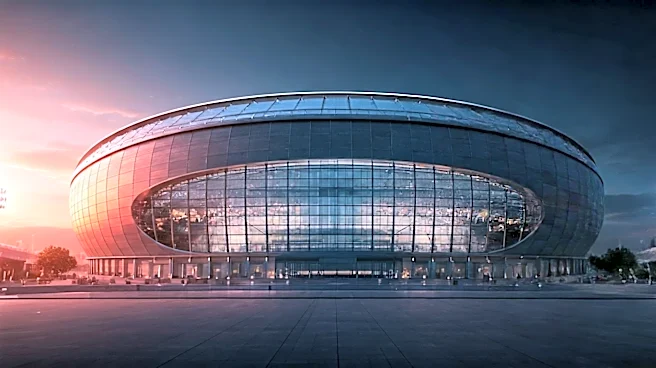
At the heart of L.A.'s World Cup story is its jaw-dropping arena in Inglewood, temporarily rebranded from SoFi Stadium to the sponsorship-free “Los Angeles Stadium” to comply with FIFA rules. With a construction cost estimated between $5 and $6 billion,
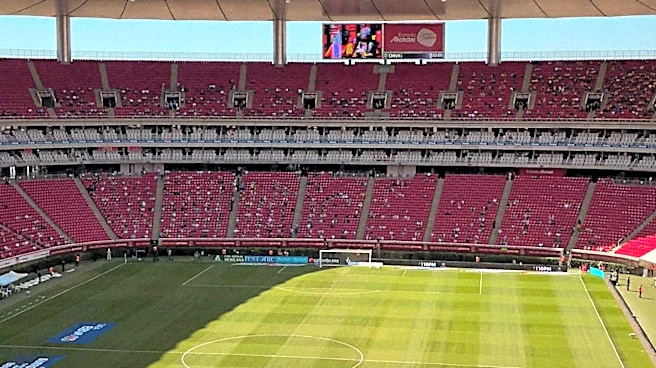
it is the most expensive stadium ever built, a figure that feels more like a blockbuster movie budget than a sports venue. But this isn't just about cost; it's about concept. The stadium is the centerpiece of a 298-acre entertainment district, a mini-city dedicated to spectacle. Its architectural marvels include a translucent roof and the gigantic, wrap-around “Infinity Screen” video board, designed to immerse 70,000-plus fans in an experience that transcends sport. Originally built for the NFL's Rams and Chargers, its transformation for the World Cup, including the installation of a pristine natural grass pitch over its usual turf, is a feat of engineering itself, ensuring the world's best players have a perfect surface. This venue was designed to host events like the Super Bowl and the Olympics, and now it’s football’s turn on the grandest stage.
Prime-Time Billing for Team USA
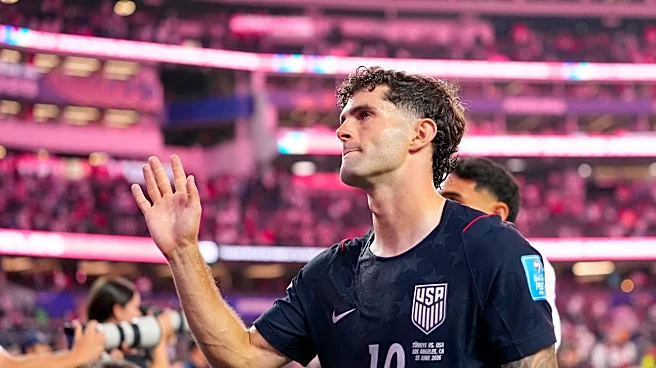
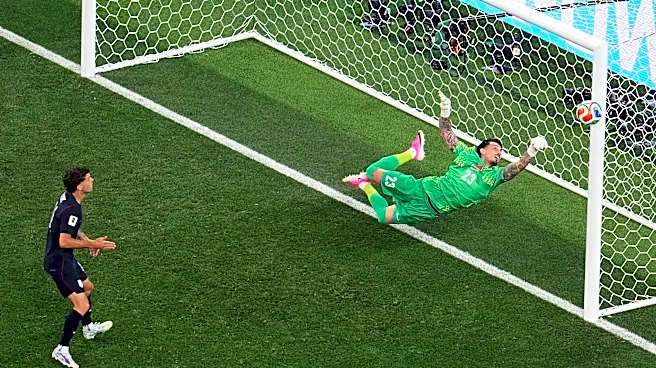
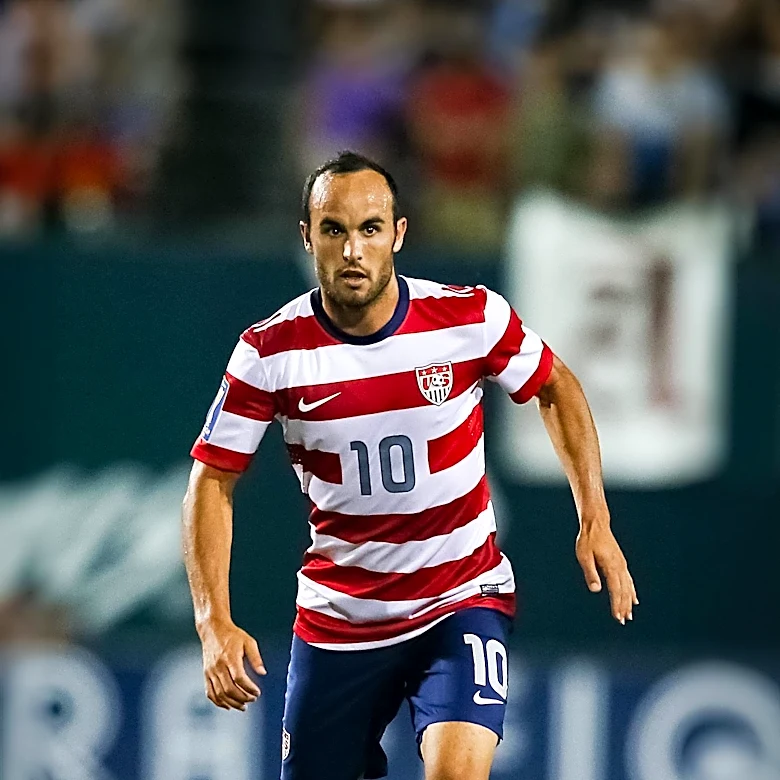
Los Angeles was handed a script that guarantees a massive American audience. The city is hosting eight matches in total, including two knockout round games and a quarter-final. Most critically, it was the stage for the U.S. Men’s National Team’s opening match on June 12, a resounding 4-1 victory over Paraguay. Kicking off the host nation's journey in America's entertainment capital was a deliberate choice, merging national pride with primetime spectacle. The opening ceremony itself was a star-studded affair, featuring global music superstars in a pre-game show designed to feel more like a pop festival than a traditional athletic preamble. The USMNT will return to Los Angeles Stadium for its final group stage match, cementing the city's role as the team's home base and a central character in the tournament's narrative for American fans.
An Economic Blockbuster?
The “Hollywood Scale” also applies to the financial stakes. Projections estimate the World Cup will inject hundreds of millions of dollars into the Los Angeles County economy, with some forecasts suggesting a local impact of nearly $600 million from visitor spending on hotels, dining, and merchandise. Recent data from the tournament's opening weeks shows a promising start, with a notable spike in consumer spending in host cities, largely driven by traveling fans. However, some analysts remain cautious, pointing out that the enormous cost of hosting mega-events doesn't always translate into the blockbuster profits cities hope for. But for L.A., the calculus extends beyond this summer. Hosting the World Cup is a critical scene in a larger movie trilogy, flanked by the 2022 Super Bowl and the upcoming 2028 Summer Olympics. It's a sustained, decade-long close-up on the world stage, solidifying its brand as the global capital of sports and entertainment.
A Legacy of Spectacle
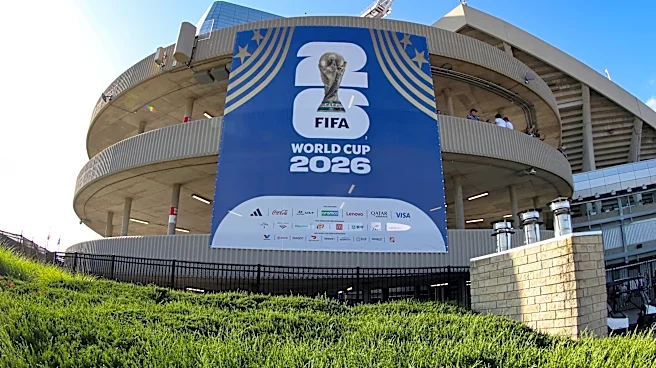
Ultimately, the story of the World Cup in Los Angeles is about more than just soccer; it's about the Americanization of the global game through the language of Hollywood. By centering the tournament's U.S. debut in a futuristic, multi-billion-dollar palace of entertainment, organizers are making a clear statement. They are packaging the sport not just for existing soccer purists but for a mainstream American audience raised on Super Bowl halftime shows and cinematic universes. The goal is to make the World Cup feel like an unmissable cultural event, as much about the show and the scale as it is about the score. Whether this blockbuster approach creates a lasting new generation of fans remains to be seen, but one thing is certain: Los Angeles has given the 2026 World Cup a truly unforgettable opening act.