




Summer Is for Spectacle
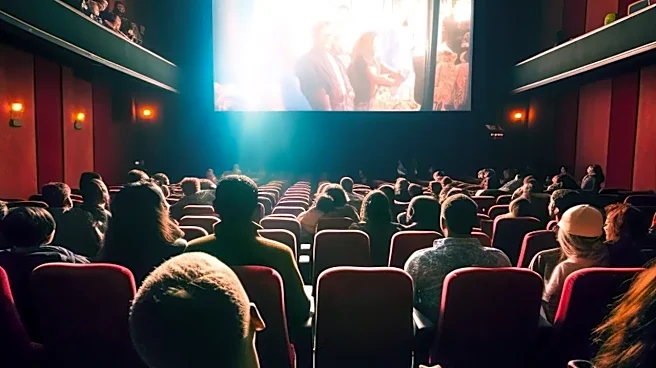
The summer movie season, which traditionally kicks off in May and runs through August, is built on a simple premise: mass appeal. With kids out of school and families looking for air-conditioned entertainment, studios unleash their biggest, most expensive
"tentpole" films. These are the four-quadrant blockbusters designed to appeal to everyone—men, women, young, and old. Think massive superhero team-ups, dinosaur rampages, and animated family adventures. The goal is pure, unadulterated escapism. The business strategy is to create an event so large it dominates the cultural conversation, drives repeat viewings, and sells a mountain of merchandise. The summer of 2026 was no exception, with big-budget sequels and comic book adaptations dominating the box office. It's a season defined by scale, spectacle, and a simple, powerful story that can be marketed in a 30-second TV spot.
Fall Is for Prestige
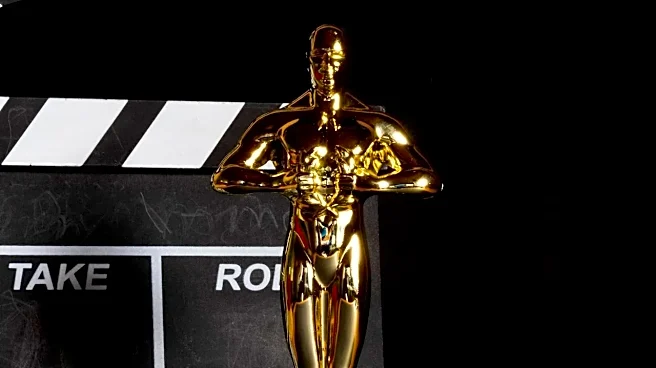
Come September, the entire mood shifts. As audiences return to their routines, Hollywood pivots from broad entertainment to targeted, prestigious fare. This is the beginning of "Oscar season." The fall slate is packed with character-driven dramas, complex biopics, and ambitious works from celebrated directors. These are the films that trade in explosions for emotional depth and special effects for powerhouse performances. The goal isn't necessarily to top the box office on opening weekend but to generate critical acclaim and build awards momentum. Studios release these films later in the year to ensure they remain fresh in the minds of Academy voters when nomination ballots are sent out. It's a calculated strategy: an Oscar nomination, let alone a win, can significantly boost a film's box office and give it a second life in theaters and on streaming.
It's All in the Calendar
The fundamental difference between the two seasons is rooted in audience behavior. Summer offers a captive audience of vacationing students and families seeking relief from the heat. It's a time for communal, easy-to-digest entertainment. The fall, by contrast, is associated with a return to more serious, indoor activities. As the weather cools, adult audiences are perceived to be more receptive to challenging themes and slower-paced narratives. This release strategy dates back decades, solidified in 1975 when "Jaws" created the blueprint for the summer blockbuster. Ever since, Hollywood has operated on this dual rhythm, using summer for maximum profit and fall for cultural and critical validation. The two seasons don't compete; they complement each other, serving different masters of commerce and art.
Has Streaming Changed the Game?
In the age of streaming, one might expect these seasonal distinctions to fade. After all, a prestige drama can debut on Netflix any day of the year. While streaming platforms have certainly blurred the lines by offering content on-demand, the core theatrical strategy remains surprisingly resilient. Major studios still reserve their most expensive, effects-driven blockbusters for exclusive summer theatrical runs, knowing the shared, big-screen experience is part of the appeal. Similarly, the fall film festival circuit—Toronto, Venice, Telluride—remains a crucial launching pad for awards contenders, building buzz that traditional marketing can't buy. Streaming has become a parallel track, not a replacement. A film might have a shorter theatrical window before moving to a streaming service, but the initial release strategy—blockbuster in summer, awards- hopeful in fall—still holds powerful sway over how movies are made, marketed, and perceived.