





The Label We All Question
The instruction worth a second look is, without a doubt, 'Dry Clean Only'. While it sounds like a non-negotiable command, it's often more of a strong recommendation from the manufacturer. The key distinction lies in the wording. If a tag simply says 'Dry Clean',
it's a suggestion for the best results, but not the only option. However, a 'Dry Clean Only' label is a firmer instruction, indicating that water could damage the fabric or construction. The secret is knowing which 'Onlys' are serious and which are just playing it safe.
Why Manufacturers Play It Safe
The Federal Trade Commission requires that all clothing sold in the U.S. has a care label with at least one safe cleaning method. For manufacturers, the 'Dry Clean Only' tag is often the ultimate liability shield. They would rather you take on the expense of professional cleaning than risk you ruining a garment by washing it improperly and blaming them. This is especially true for fabrics like silk, wool, and certain synthetics that can be sensitive to water temperature, agitation, or detergents. By recommending the lowest-risk option, they protect both the garment and their reputation, leaving savvy consumers to read between the lines.
The 'Can I Wash This?' Checklist
Before you defy a label, run through a quick mental checklist. First, consider the fabric. Unstructured items made of silk, wool, cashmere, and even some sturdy synthetics like polyester are often good candidates for a gentle hand wash. Next, examine the construction. Is it a tailored blazer with shoulder pads and lining? A suit jacket? If so, stick to the dry cleaner. Water can warp the internal structure, causing puckering and loss of shape. Finally, check for embellishments. Anything with significant beading, sequins, leather trim, or complex pleating should be left to the professionals.
Your At-Home Cleaning Toolkit
You don't need a lot to successfully wash delicates at home. The most important tool is a pH-neutral, gentle detergent specifically formulated for delicates like wool and silk. Regular detergents can be too harsh, stripping natural fibers of their oils. You'll also want a clean sink or basin, access to cool water, a mesh laundry bag for machine washing delicates, and a clean, thick towel for drying. A flat drying rack is also invaluable for helping sweaters and other knits keep their shape.
The Gentle Hand-Washing Method
Ready to take the plunge? Fill a basin with cool water and add a small amount of your delicate detergent, swishing it to dissolve. Turn the garment inside out and submerge it, gently squeezing the water through the fabric. Let it soak for about 5-30 minutes, but avoid excessive rubbing or twisting, which can damage the fibers. Drain the soapy water and rinse the garment under cool running water until the suds are gone. Instead of wringing it out, gently press the excess water out. Then, lay the item flat on a thick towel, roll the towel up like a jelly roll, and press firmly to absorb more water.
When to Always Trust the Tag
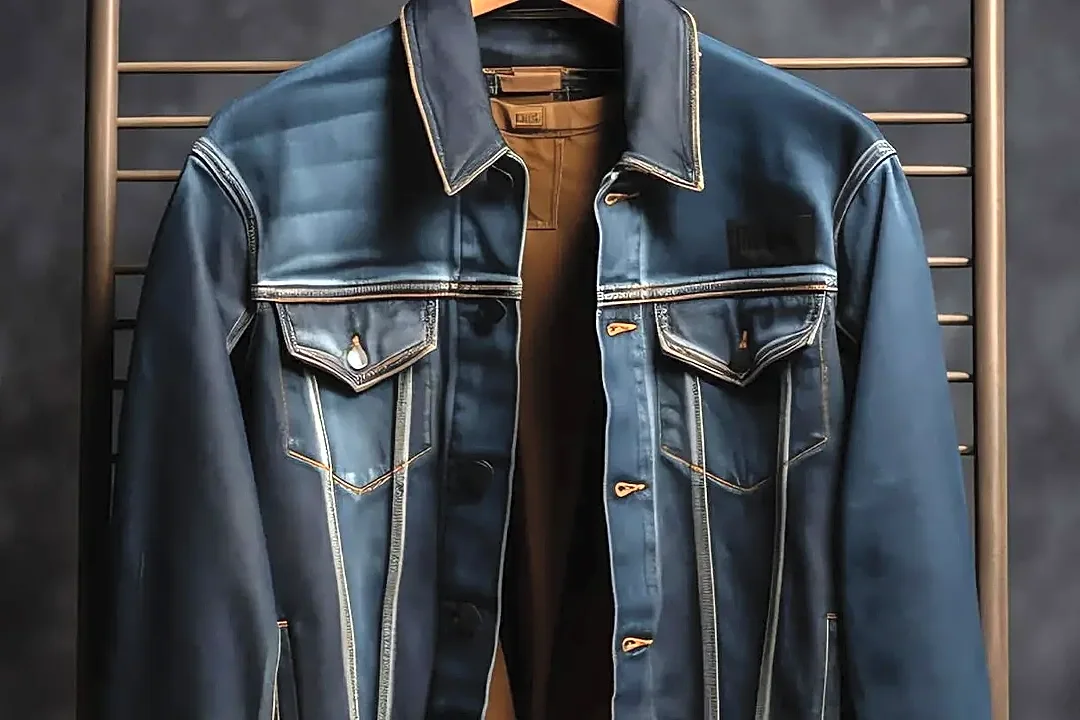
While you can bend the rules for many garments, there are times when 'Dry Clean Only' means exactly what it says. Always defer to a professional for structured pieces like suits, blazers, and tailored coats. The same goes for items made from viscose (a type of rayon that can shrink dramatically), velvet, leather, and suede. Garments with heavy embellishments, delicate lace, or unstable dyes—which you can identify by spot-testing a hidden area with a damp cloth—should also get professional care. When in doubt, it's always safer to trust an expert than to risk ruining a piece you love.