



An Idealistic Beginning
For the first few decades of its existence, the FIFA World Cup was more of a global gathering than a commercial enterprise. Conceived by French administrator Jules Rimet in the 1920s, the tournament’s primary goal was to use the world’s most popular sport
to foster international unity. Early iterations were charmingly chaotic and logistically challenging, funded largely by ticket sales and the goodwill of host nations. There were no exclusive TV rights deals or multinational corporate sponsors plastered across stadiums. It was an event for football, run by football people, with little thought given to its commercial potential. This was the era before the tournament understood it wasn't just a game, but a platform.
The Architect of Ambition
Everything changed in 1974 with the election of João Havelange as FIFA’s president. The Brazilian businessman unseated the European old guard by campaigning on a simple, powerful promise to the smaller footballing nations of Africa and Asia: growth. He pledged to expand the tournament and share the wealth. But to generate that wealth, he needed a new playbook. Havelange saw the World Cup not just as a sporting event, but as an untapped marketing vehicle. He found a willing and brilliant partner in Horst Dassler, the heir to the Adidas fortune. Together, they envisioned a future where corporations would pay millions for the exclusive right to associate their brands with the world’s biggest event.
The Television Gold Rush
Havelange’s masterstroke was realizing the true value of television. Previously, broadcast rights were sold off cheaply, often as an afterthought. He and Dassler began packaging the TV rights and selling them for huge sums to networks around the globe. They created a sense of scarcity and prestige. If you wanted to broadcast the World Cup, you had to pay. This influx of television money was the engine that powered FIFA’s transformation. It funded the expansion of the tournament from 16 to 24 teams in 1982 (and later to 32), bringing in more nations and, crucially, more eyeballs. The World Cup was no longer just for the stadium crowd; it was a global television spectacle.
The Coke and Adidas Model
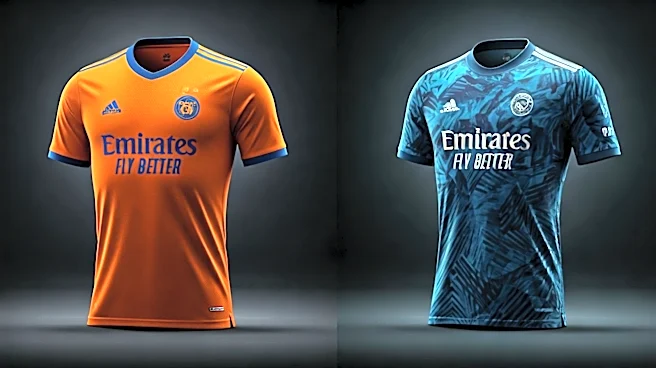
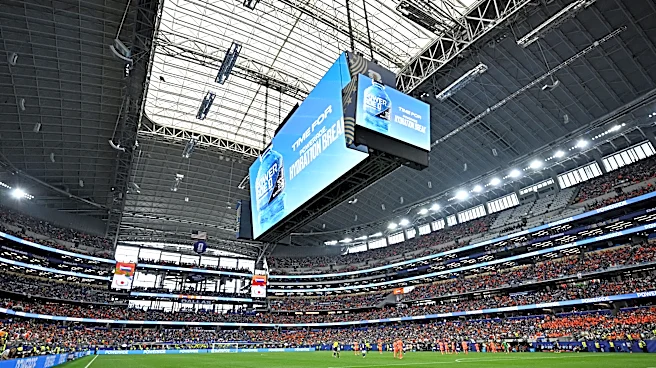
With television delivering a massive, captive audience, the stage was set for corporate sponsors. Dassler, through a marketing firm he secretly controlled, began creating a tiered system of sponsorship. At the top were “FIFA Partners”—a small, exclusive group of non-competing multinational corporations that would get unparalleled access and branding opportunities. The first and most important of these was Coca-Cola. A deal struck in 1974 made Coke the official soft drink of the World Cup, a partnership that continues to this day. Adidas, of course, controlled the ball and apparel side. Soon, other giants like McDonald’s, Visa, and Hyundai joined the party. The World Cup was now officially a “product,” with its official partners paying hundreds of millions of dollars per four-year cycle to be part of the show.
An Empire of Profit and Scandal
When Sepp Blatter succeeded Havelange in 1998, he inherited this finely tuned commercial machine and pushed the throttle to the floor. Under Blatter, FIFA’s revenues exploded, reaching billions of dollars per tournament. The bidding process to host the World Cup became a geopolitical contest, with nations spending lavishly on bids and infrastructure, hoping for a piece of the economic and reputational windfall. However, this unchecked commercialization came at a cost. The enormous sums of money flowing through a largely unaccountable organization created a culture of corruption. The scandals that eventually brought down Blatter and much of his regime were a direct consequence of the commercial empire he and Havelange had built. The product had become so profitable that its stewards seemingly forgot the sport it was built on.