

The Power of the Personality 'Halo'
There’s a powerful psychological principle at play called the 'halo effect'. First identified by psychologist Edward Thorndike, it’s our brain's tendency to let one positive trait—like someone's charisma, trustworthiness, or great aesthetic—spill over
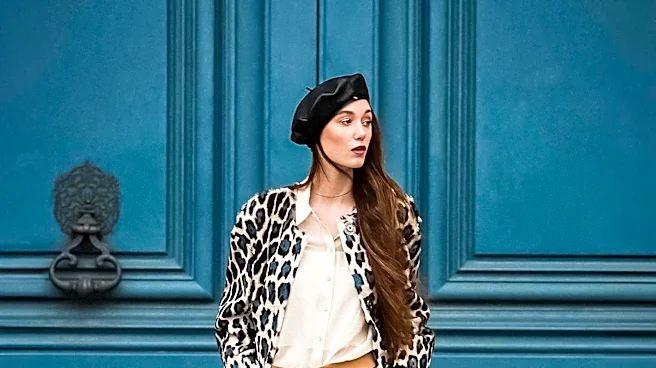
and color our perception of everything else about them. When an influencer you admire recommends a product, their credibility acts like a halo, making the product itself seem more desirable. You're not just seeing a floral dress; you're seeing a piece of their curated, aspirational world. Studies show this trust is potent, with a majority of social media users trusting influencers more than traditional celebrities.
You're Buying a Fantasy, Not Just a Fabric
Influencers aren't just selling clothes; they're selling a lifestyle. That breezy linen shirt isn't just a shirt; it’s a promise of a carefree European vacation. That sleek workout set isn't just activewear; it’s the motivation for a new fitness routine. They weave products into a narrative, making you feel like you're getting a recommendation from a friend rather than a sales pitch. The purchase becomes an entry ticket into the lifestyle you admire. This is why the marketing is so effective: it connects on a personal, emotional level that a simple product listing on a website never could.
Let's Run the 'Blind Test'
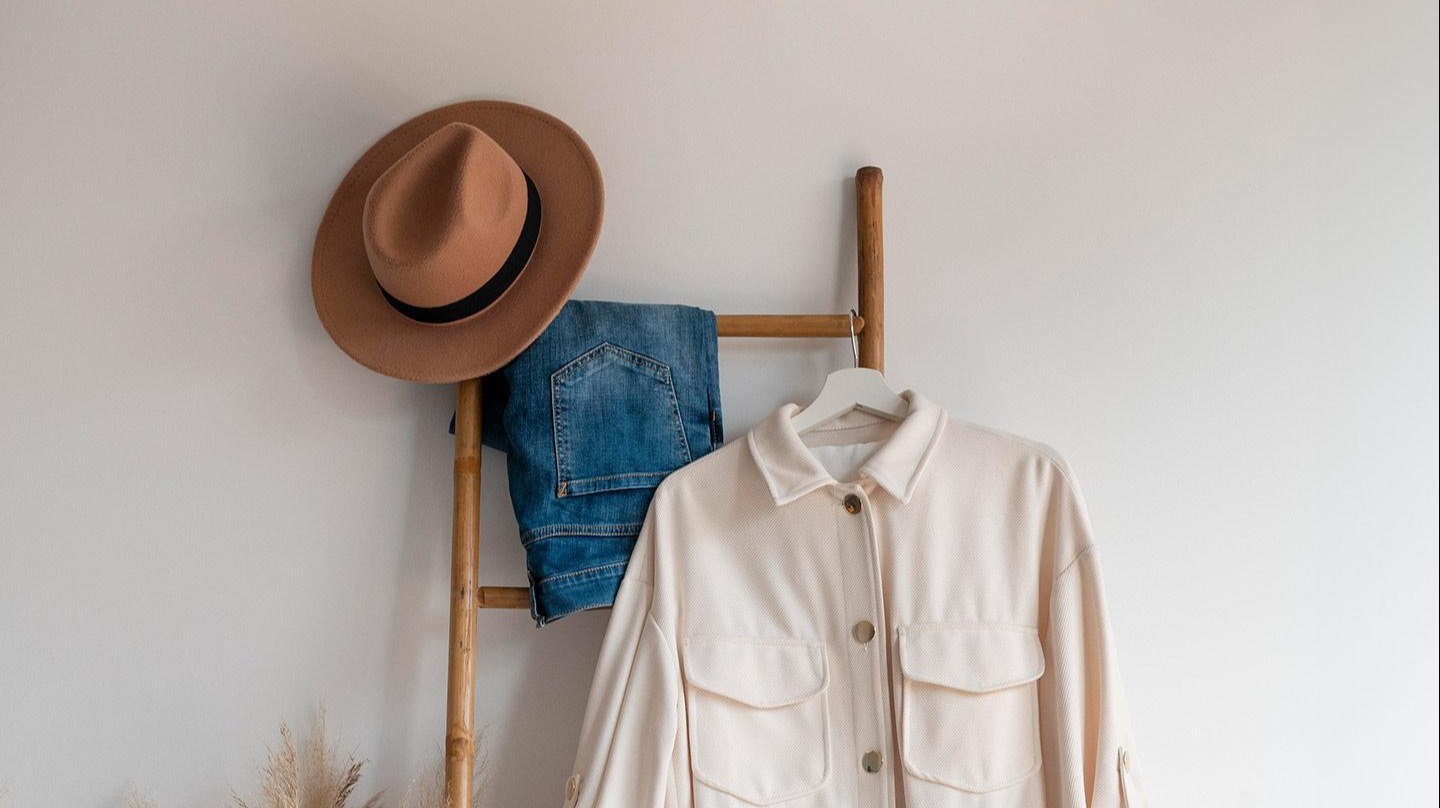
Now, let's strip away the fantasy with a mental exercise. Picture that must-have item completely removed from its context. Instead of seeing it on an influencer in a sun-drenched Parisian café, imagine it on a sterile, white-background e-commerce site. Or better yet, picture it on a crowded rack at a discount store. Does it still catch your eye? Now, think about your actual life. That beautiful, complicated silk top might look amazing in a posed photo, but would you wear it on your commute, to the grocery store, or during a casual weekend? The goal isn't to say the clothes are bad, but to separate the item's true appeal from the highly produced fantasy surrounding it.
The Rise of 'De-Influencing'
This very question is at the heart of a growing counter-movement: 'de-influencing'. Breaking out on platforms like TikTok, creators began telling their followers which viral products not to buy, citing them as overhyped, overpriced, or poor quality. This trend emerged from a growing consumer skepticism toward an endless cycle of sponsored content and microtrends. Interestingly, deinfluencing often builds even more trust. An influencer who is willing to give an honest, negative review is seen as more authentic, making their future recommendations—often for more affordable or better-quality alternatives—even more powerful.
Finding Your Own Personal Style
Ultimately, the point of this blind test isn't to demonize influencers, but to empower yourself as a consumer. Developing a true sense of personal style means looking inward, not just at your screen. It’s about understanding what makes you feel comfortable and confident, what fits your body and your real life. Before you make that next impulse purchase, pause and ask the question. Are you buying the clothes, or are you buying the halo? The answer can help you build a wardrobe that is less about fleeting trends and more about a style that is genuinely, unapologetically you.