





The Do-or-Die Equation
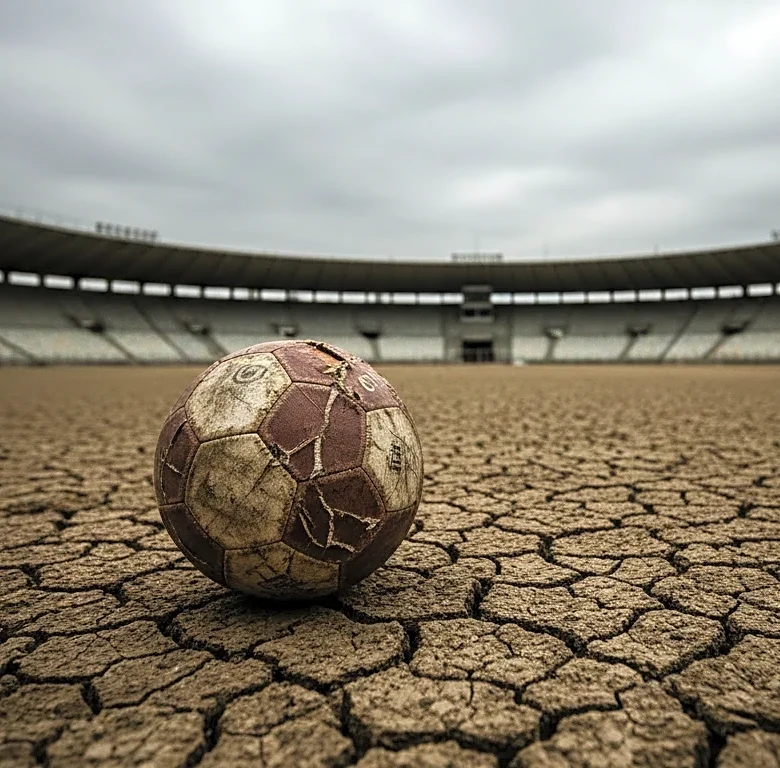
There’s a fundamental difference between group stage soccer and knockout soccer. In the group stage, a team can lose a match, learn from it, and still advance. There are pathways to redemption. The knockout round slams that door shut. From the Round of
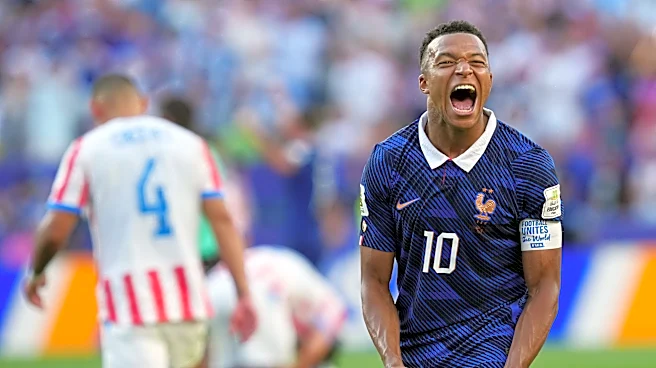
16 onward, every game is an elimination game. The finality of it changes everything. A single mistake, one moment of brilliance, or one stroke of bad luck can end a nation’s dream. This sudden-death format, which Philadelphia hosted on July 4, is precisely what gives the World Cup its addictive, heart-stopping drama. It’s not just a game; it’s a 90-minute (or 120-minute, or penalty-shootout) test of nerve, where survival is the only objective.
A City Built for Drama
Philadelphia is not a passive sports town. Its fans are famously passionate, demanding, and deeply invested in their teams. Dropping a high-stakes World Cup match into this environment at Lincoln Financial Field—rebranded as Philadelphia Stadium for the tournament—was like adding fuel to a fire. The city's sports culture is built on an underdog ethos and a blue-collar work ethic; fans expect maximum effort and are unafraid to voice their displeasure if they don't see it. That demanding atmosphere doesn't just stay in the stands; it seeps onto the field, creating a cauldron of pressure that can either forge heroes or break teams. For the two nations competing, it wasn't just another game; it was a performance in front of one of America’s most knowledgeable and intense crowds.
An Independence Day Showdown
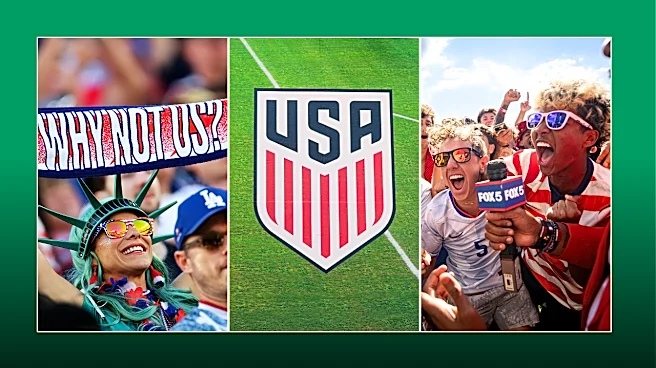
Hosting a pivotal World Cup match on any day is significant. Hosting it on July 4th, in the very city where the Declaration of Independence was signed, elevates it to a historic spectacle. This year marked America's 250th birthday, or Semiquincentennial, making Philadelphia the epicenter of national celebration. The game wasn't just a contest for a spot in the quarterfinals; it was the marquee sporting event on America's biggest holiday, in America's birthplace. The historical weight and narrative power of that setting created immense pressure. The global broadcast was framed around this unique convergence of history and sport, turning a soccer match into a piece of cultural theater that magnified every goal, every tackle, and every cheer.
When Strategy Gets Tense
The win-or-go-home format also forces a fascinating tactical shift. While group stage games can sometimes be open and free-flowing, knockout matches are often tighter and more strategic. Coaches and players know that a single defensive lapse can be fatal. This can lead to cautious, cagey affairs where neither side wants to overcommit and leave themselves vulnerable. The first goal becomes monumental, often forcing the trailing team to abandon its game plan and chase an equalizer, which in turn opens them up to counter-attacks. This tactical tightrope walk—the balance between disciplined defense and the urgent need to score—makes for a tense and psychologically draining experience unlike anything in the earlier rounds.