
More Than a Music Festival
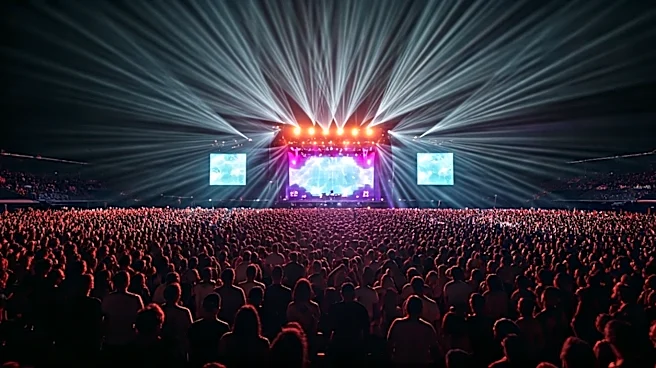
On the surface, CMA Fest looks like any other major music festival. You have massive stadium shows at night featuring the biggest names in the business: Luke Combs, Lainey Wilson, Morgan Wallen. But that’s
where the comparison to Coachella or Bonnaroo ends. The festival’s daytime soul is a sprawling, chaotic, and profoundly personal affair that’s less about performance and more about presence. For four days, the genre’s stars—from living legends to the buzziest newcomers—descend from the stage and immerse themselves in the crowd. They aren’t just playing music; they are reporting for duty. This is because CMA Fest isn't a for-profit venture in the traditional sense. It began in 1972 as “Fan Fair,” an event explicitly designed to connect artists with their supporters. Today, that spirit remains. Artists aren't paid for their performances; instead, the proceeds are funneled into the CMA Foundation to support music education across the country. The entire event is built on a foundation of artists giving back, both to the community and directly to their fans.
The Unwritten Rules of Accessibility
In most corners of the music world, stardom is built on creating a sense of mystique. The artist is an icon, an untouchable figure viewed from afar or through the carefully curated lens of social media. At CMA Fest, that model is inverted. Here, stardom is a service industry, and the currency is gratitude. For artists, participating is a marathon of accessibility. It means waking up for a 7 a.m. soundcheck for a free show on the riverfront, followed by a three-hour stint signing autographs at Fan Fair X inside the Music City Center, then playing a surprise pop-up set at a sponsor’s booth before finally heading to the stadium for the main event. It’s grueling work, performed in the sweltering Tennessee heat, and it’s considered a non-negotiable part of the job. This is the physical manifestation of country radio’s core principle: the artist owes everything to the fan. Refusing to play the game isn’t just bad form; it’s seen as a rejection of the very people who power your career. Artists understand that the fan who waits three hours in line for a 30-second photo op is the same person who will buy every album and drive five hours to see a show.
A Proving Ground and a Rite of Passage
For established superstars, CMA Fest is a chance to reinforce their connection with their base. It's a performance of humility, a way of saying, “I haven’t forgotten where I come from.” Seeing a stadium-filler like Carrie Underwood take selfies with fans or an icon like Dolly Parton make a surprise appearance creates a powerful sense of intimacy that resonates long after the festival ends. But for rising artists, the stakes are even higher. CMA Fest is the ultimate proving ground. It’s where a new act can go from an unknown name to a fan-favorite in a single weekend, simply by out-working everyone else. They play on small stages for handfuls of people, shake every hand offered, and tell their story over and over. They are building a grassroots army, one fan at a time. The festival functions as a filter, rewarding the artists who demonstrate not just talent, but an unflagging work ethic and a genuine appreciation for the audience. It’s a rite of passage that tests an artist’s stamina, charm, and commitment to the country music ecosystem.