







The Global Festival Pecking Order
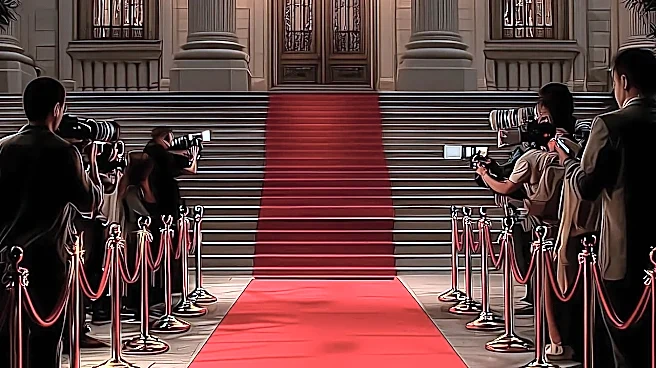
In the cutthroat world of film festivals, not all premieres are created equal. There's an unofficial but universally understood hierarchy. At the top sit the 'Big Five': Sundance, Berlin, Cannes, Venice, and Toronto (TIFF). These festivals are the titans,
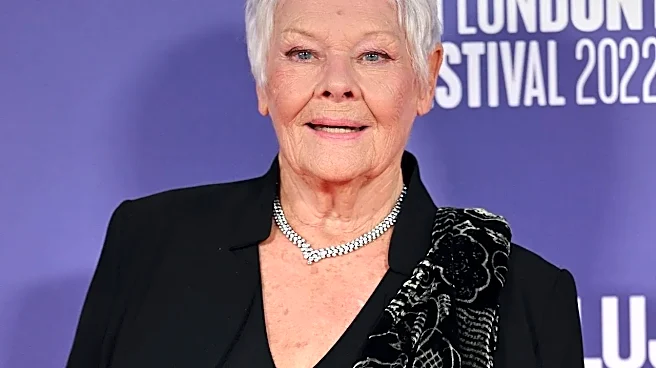
the primary launchpads for major awards campaigns and market activity where films are bought and sold. A world premiere at one of these is a significant statement of intent. The BFI London Film Festival (LFF), while hugely respected and the UK's largest public film event, sits just below this top tier. Historically, it was conceived as a 'festival of festivals', curating the best films that had already debuted at Cannes and Venice for UK audiences. While it now hosts numerous premieres, its position in the October calendar means many of the year's most anticipated films have already made their grand entrance elsewhere.
Strategy Can Outweigh Prestige
So why would a film have its world premiere in London if it could theoretically aim for Cannes or Venice? The answer is strategy. For a major British film, a London world premiere is a patriotic homecoming that guarantees maximum local press attention. Danny Boyle's film 'Ink' and Michael Winterbottom's 'The Trip to the Northern Lights' are examples of prominent British entries showcased at LFF. For American or international films, a London premiere can be a clever way to avoid the competitive chaos of Toronto in September, allowing a film to build buzz with European critics and audiences ahead of its theatrical release. Sometimes, a film simply isn't finished in time for the earlier festivals. As LFF director Kristy Matheson noted, securing a world premiere can be a 'happy accident' based on a film's release strategy and production timeline, rather than the festival exclusively demanding it.
A Launchpad for New Talent
For every blockbuster that's already played in Venice, there are dozens of smaller, independent films for which a London premiere is the biggest break imaginable. Getting selected by LFF provides a vital stamp of legitimacy and media exposure that can lead to a distribution deal. The festival is known for championing emerging voices and first-time features. Its Sutherland Trophy, for instance, is awarded to the most original debut film screened at the festival. In this context, a 'World Premiere' isn't about being the 'best' film of the year; it's about being a new, exciting film deemed worthy of a major platform. For these filmmakers, a London debut isn't a second choice—it's the entire game.
The 'Best of the Rest' Is Still Excellent
The fact that London often gets the European or UK premieres of films that have already wowed audiences at earlier festivals is a feature, not a bug. The 2026 festival, for instance, is screening films that were hits at Venice, like 'Wild Horse Nine'. This curation model means London audiences get a concentrated dose of the year's most celebrated international cinema. Therefore, a film's premiere status at LFF tells you more about its journey than its quality. A 'World Premiere' might signal a strategic British release or a breakout indie, while a 'UK Premiere' might belong to a film that already won the top prize at Cannes. The label itself is not a simple grade of 'good' or 'better'; it’s a single clue in the complex, fascinating story of a film's life.