






It’s a frustration every button-down wearer knows: that awkward, persistent gap that appears between buttons, often at the worst possible moment. While fit is a major factor, a hidden structural detail is often the unsung hero of a smooth front.
First, What Is a Placket?
Before
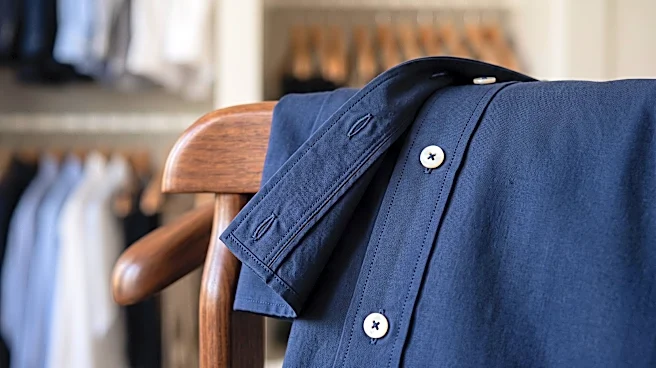
we get to the solution, let's talk about the key player: the placket. In simple terms, it's the strip of fabric where your buttonholes and buttons are located. On most shirts, you’ll see it as a distinct band of fabric, often with visible stitching, running down the front. This isn't just for show; the placket is designed to reinforce the opening of the garment, providing strength and stability to an area that undergoes constant stress from buttoning and unbuttoning. Without it, the buttonholes would stretch, and the fabric would easily tear. There are several styles, from the standard placket sewn on top to the 'French placket,' where the shirt's fabric is folded under for a cleaner, seamless look.
The Secret Reinforcement
The real magic happens inside the placket. In well-constructed garments, this area is reinforced with an extra layer called 'interfacing'. This is a separate material, often fused or sewn between the fabric layers of the placket, that adds structure and stiffness. This internal support is what gives a placket its crisp, flat appearance and prevents it from curling or collapsing. Another quality detail is the use of grosgrain ribbon. This sturdy, ribbed ribbon can be sewn onto the inside of the placket, providing an additional line of defense against pulling. Its tightly woven structure is incredibly durable, adding stability without significant bulk.
The Physics of a Perfect Fit
So, how does this inner detail actually prevent that dreaded gap? It all comes down to tension distribution. When a shirt is too tight or when you move, the fabric pulls horizontally across your chest or waist. On a flimsy, unreinforced placket, all that force concentrates directly on the button and buttonhole, pulling them apart to create a gap. A reinforced placket, however, disperses that stress along its entire length. The stiffness from the interfacing or the structure of the grosgrain ribbon resists the pulling force, helping the placket lie flat and keeping the two sides securely closed between the buttons. It turns a weak point into a line of strength.
A Telltale Sign of Quality
In the world of fast fashion, cutting corners is common. Omitting proper interfacing or using a flimsy, single-fold placket saves time and money, but it results in a garment that looks cheap and fails quickly. A crisp, substantial placket is a clear indicator that a manufacturer invested in the garment's longevity and appearance. It shows an attention to detail that often correlates with better fabric, more precise stitching, and a more thoughtful cut. Some highend brands even take it a step further, strategically placing a hidden, horizontal buttonhole on the inner placket at the bust line to offer an extra anchor point precisely where gaping is most likely to occur.
How to Spot It in the Wild
The next time you're shopping for a buttondown shirt, take a moment to be a more discerning consumer. Feel the placket between your fingers. Does it feel substantial, with a hint of an inner layer, or is it just a single, thin fold of fabric? A quality placket will feel slightly thicker and more structured than the rest of the shirt. Look at it from the side; it should lie straight and flat, not ripple or twist. Some brands even use a contrasting color of grosgrain ribbon on the inner placket as a design feature, making it easy to spot. By looking for these subtle clues, you can move beyond just color and style and start choosing pieces based on craftsmanship and durability.