


And the Emmy Goes To…
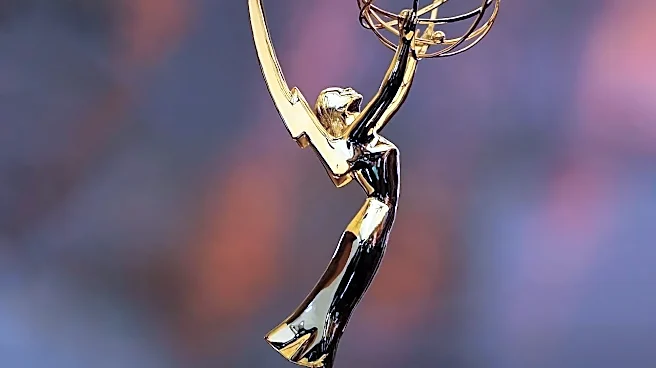
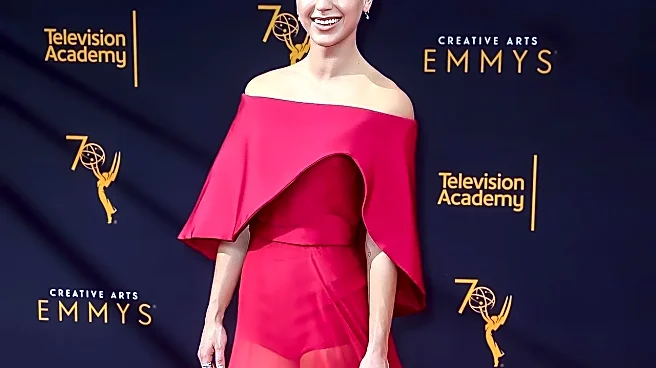
This past weekend, the Television Academy honored the best in the business, and the choreography awards showcased the incredible breadth of dance on display. For Variety or Reality Programming, the trophy went to choreographers Charm La’Donna and Karina
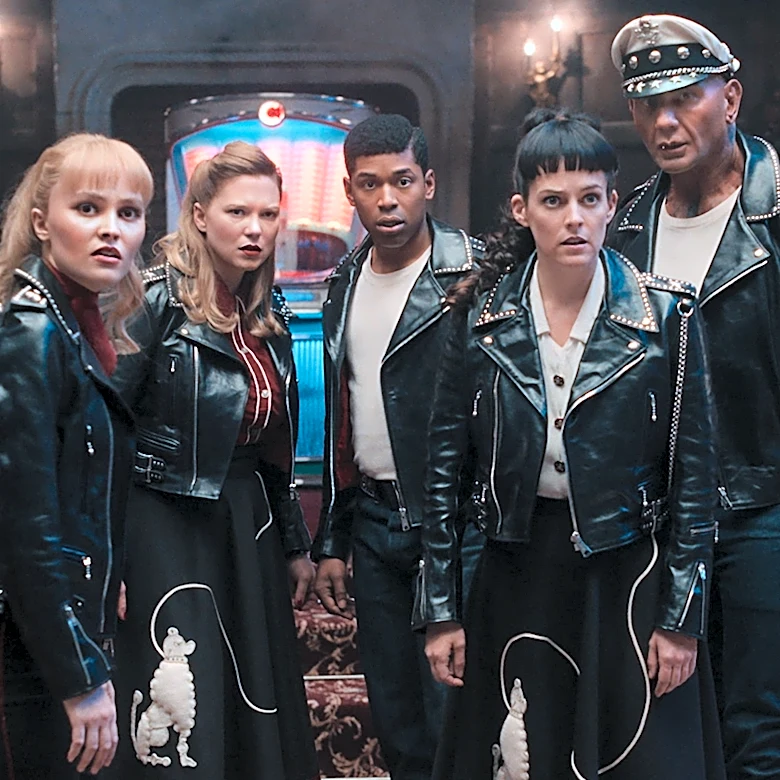
Ortiz for their explosive work on "The Apple Music Super Bowl LX Halftime Show Starring Bad Bunny". The massive-scale production, which also won for Outstanding Live Variety Special, blended spectacle and precision, commanding the attention of millions. It’s a testament to creating intimate moments of powerful movement within one of the largest television events of the year. While the winner for Scripted Programming has yet to be announced as of Saturday night, the nominees represent a wide array of styles, from period pieces like "Bridgerton" and "Palm Royale" to the quirky, viral-sensation world of "Wednesday".
More Than Just Steps
Choreographing for television is a fundamentally different beast than creating for the stage. A live audience sees the whole picture, their eyes free to roam. On TV, the camera dictates everything. The choreographer must become a co-director, working hand-in-hand with the production team to ensure the dance translates through the lens. It’s a collaboration of movement and mechanics. Is this a wide shot designed to show off a massive ensemble, or a tight close-up on a dancer’s expression to convey emotion? Every camera angle, every cut, and every lighting cue must serve the choreographer’s vision. A shaky camera can ruin a clean line, while a perfectly timed edit can make a simple move feel explosive. The goal isn’t just to capture the dance; it’s to enhance it, using the tools of television to tell the story in a way a live performance simply can’t.
Telling Stories With Movement
At its best, television choreography isn’t just a dazzling interlude; it’s a vital narrative tool. Look at the nominees: A number in "RuPaul’s Drag Race," choreographed by Jamal Sims, might need to communicate sass, comedy, and fierce confidence in under two minutes. On the scripted side, a dance sequence in a show like "Bridgerton" must not only feel period-appropriate but also subtly reveal the shifting social dynamics and romantic tensions between characters. Choreographers are tasked with advancing the plot, deepening character development, and establishing tone. They have to ask what the dance is doing for the story. Is it a fantasy sequence? A moment of internal struggle made external? Or a joyous celebration? The steps themselves are only half the battle; the other half is embedding them with meaning that resonates with the viewer long after the music stops.
From Super Bowls to Ballroom Battles
The Emmy categories themselves—one for Scripted Programming and another for Variety or Reality—highlight the diverse demands placed on TV choreographers. The Variety/Reality category is often about creating a standalone spectacle. Think of the high-pressure, quick-turnaround world of competition shows or the epic scale of a Super Bowl halftime performance. This year’s nominees in that category also included work for the MTV Video Music Awards, The Oscars, and the NBC special "Wicked: One Wonderful Night". In contrast, Scripted Programming requires choreographers to integrate dance seamlessly into an established narrative world. They must work within the constraints of character, plot, and setting, making the dance feel like a natural and necessary part of the show’s universe. The craft requires a unique blend of spectacle, storytelling, and technical savvy, regardless of the genre.