



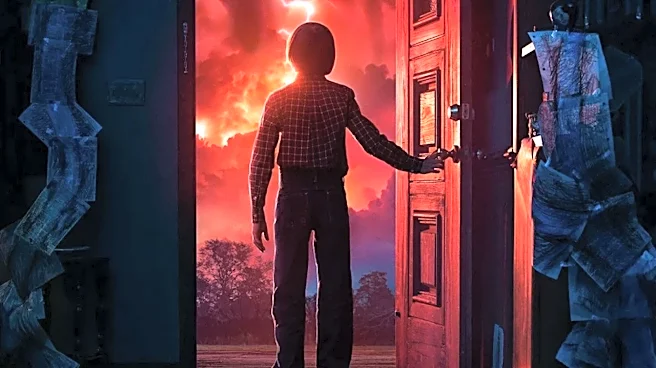


The Brain’s Craving for Closure
That compulsive need to see what happens next isn’t a failure of willpower; it's a feature of human psychology that storytellers have exploited for centuries. At its core, a cliffhanger works by creating a powerful sense of unresolved tension. Our brains
are wired to seek completion and order, and when a story is deliberately left unfinished at a moment of high drama, it generates a kind of cognitive discomfort. This feeling of incompleteness triggers a mix of curiosity, anxiety, and anticipation, making it difficult to simply walk away. Think of it as a mental itch that can only be scratched by the next episode. This isn't just about being entertained; it's about your brain demanding a resolution to an open loop. This tactic ensures that the story stays active in your mind long after the credits roll.
Meet the Zeigarnik Effect
The specific psychological principle at play is called the Zeigarnik effect. Named after Soviet psychologist Bluma Zeigarnik, it describes the tendency for people to remember incomplete or interrupted tasks far better than completed ones. Zeigarnik first observed this phenomenon watching waiters who could remember complex, unpaid orders perfectly but would forget the details the moment the bill was paid. An unfinished task creates a mental tension that keeps it at the front of your memory. A TV cliffhanger does the exact same thing—it turns the story into an unfinished task in your mind. That lingering question of 'who shot the hero?' or 'did they get away?' isn't just a plot point; it's a cognitive hook designed to keep you mentally engaged and ensure you come back for the answer.
The August Advantage
So why is this particularly relevant for shows premiering in August? The end of summer is a notoriously crowded and transitional period in television. Viewers are returning from vacations and the traditional, high-profile fall season is just weeks away. For a new or returning show, a well-executed cliffhanger in an August premiere or finale isn't just about episode-to-episode retention; it's a strategic weapon. By leaving audiences with a powerful, unresolved narrative hook, a show can dominate social media chatter and plant a flag in viewers' minds. It's a way of saying, "Don't forget about me when the September deluge hits." In a high-choice media environment, creating that memorable, unresolved tension helps a series secure a mental foothold, increasing the odds that viewers will prioritize it amidst the incoming wave of competitors.
The Art of the 'Good' Cliffhanger
Of course, not all cliffhangers are created equal. There's a fine line between masterful suspense and cheap manipulation. A good cliffhanger feels earned. It arises naturally from the character motivations and plot developments that came before it, deepening the stakes and making the audience feel invested rather than cheated. In contrast, a lazy cliffhanger often feels like it comes out of nowhere, a desperate bid for attention that can leave audiences feeling frustrated. When streaming services cancel shows on a major cliffhanger, it can damage audience trust and make viewers hesitant to invest their time in new series. The best cliffhangers don't just ask 'what happens next?'—they reframe everything we thought we knew and make us eager to understand the characters and their world on a deeper level. They harness our brain's need for closure not just to keep us watching, but to enrich the entire story.