



The Shoulder Tells the Whole Story
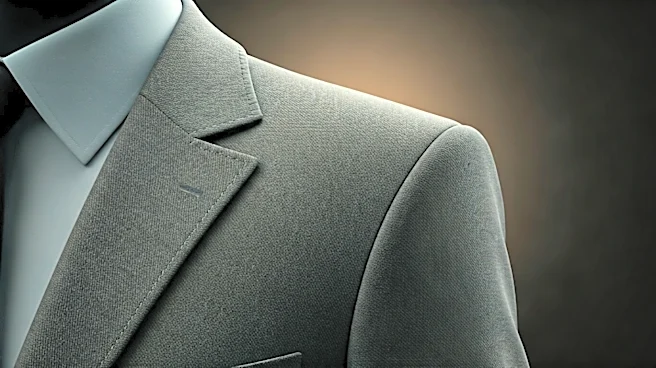
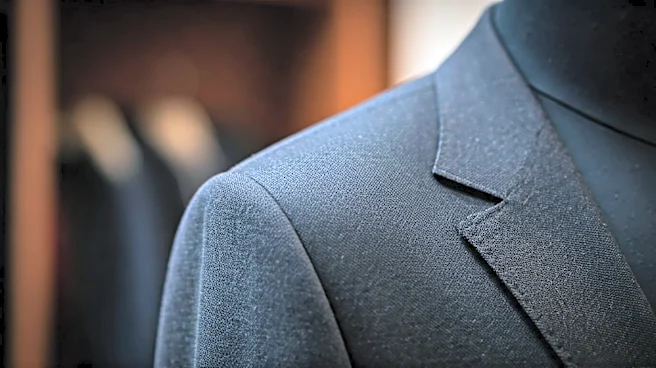
Before we get to the secret, let's talk about the visual payoff. Look at a traditional American or British suit jacket. You’ll often see a structured, padded shoulder that creates a strong, formal line. It’s a silhouette of power and authority, born from
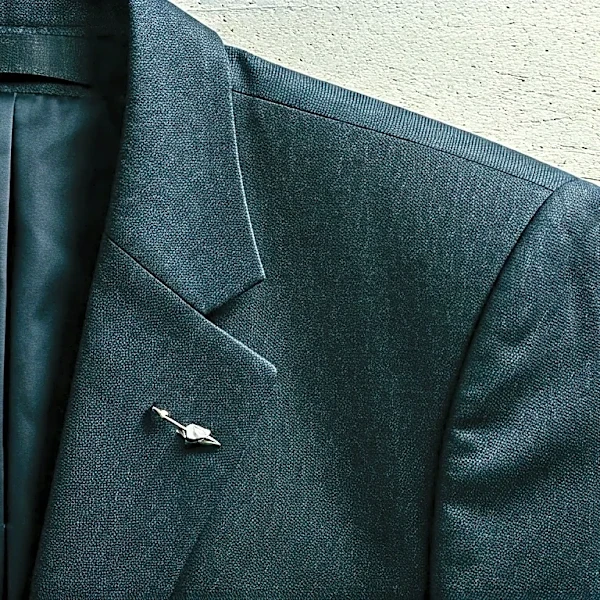
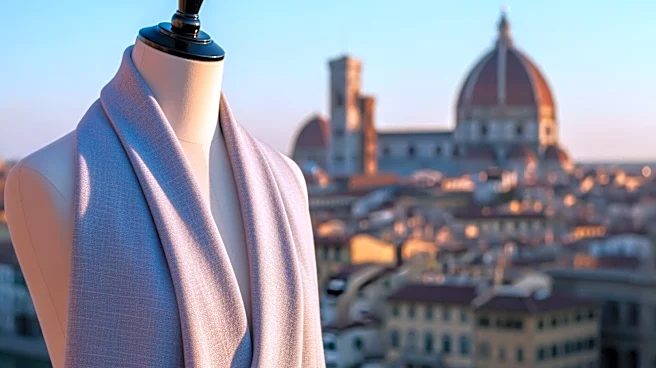
military uniforms and corporate boardrooms. It’s designed to build up the wearer's frame, creating a V-shape from shoulder to waist. Now, picture the classic Neapolitan or Italian sport coat. The shoulder line is different. It’s soft, rounded, and follows the natural curve of the body. There’s no hard edge or bulky padding. The jacket doesn’t look like armor you put on; it looks like a part of you. This single detail is the most visible clue to an entirely different philosophy of dress—one centered on comfort, movement, and personal ease rather than rigid formality.
The 'Spalla Camicia' Explained
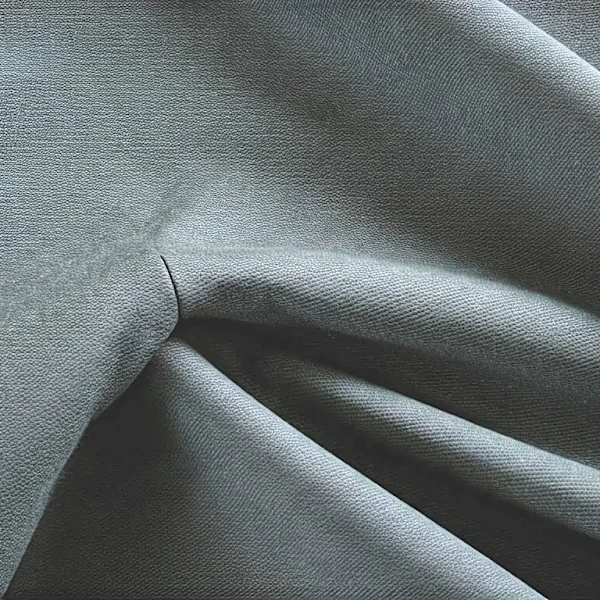
Here's the secret: It's a pattern-cutting technique known in Italian tailoring as *spalla camicia*, which translates to “shirt shoulder.” In standard jacket construction, the armhole (the opening for the sleeve) and the sleeve head (the top of the sleeve) are cut to be roughly the same size for a perfectly smooth, clean fit. For a shirt shoulder, the tailor does something counterintuitive. The sleeve head is intentionally cut larger than the armhole. When the sleeve is set into the jacket, this excess fabric has to go somewhere. The tailor skillfully eases it in, creating a subtle, distinctive shirring or puckering right where the sleeve meets the shoulder. These little ripples, sometimes called *grinze*, are not a defect. They are the hallmark of an artisan’s hand and the visual proof of this specific construction. It’s called a “shirt shoulder” because this is how a shirtmaker attaches a sleeve, allowing for maximum range of motion.
From a Look to a Feeling
This technique does more than just create a relaxed aesthetic. It fundamentally changes how the jacket feels and performs. By removing the padding and structuring the shoulder like a shirt, the jacket gains an incredible freedom of movement. You can lift your arms to grab something off a high shelf, gesture emphatically in a conversation, or even drive a car without feeling the restrictive pull common in more structured coats. The jacket drapes from your natural shoulder point, moving with your body instead of encasing it. This creates a garment that feels less like formalwear and more like a second skin. It’s the sartorial equivalent of trading stiff dress shoes for a pair of perfectly broken-in loafers—the sophistication is still there, but the comfort is on a whole new level.
Why This One Detail Matters
The shirt shoulder is more than just a technique; it's the anchor of the entire relaxed Italian jacket philosophy. Because the shoulder is soft and unpadded, the rest of the jacket must follow suit. The internal canvas that gives a jacket its shape is either dramatically lightened or removed entirely, creating an “unstructured” or “deconstructed” garment. The chest has less padding, the lapels roll more naturally, and the whole piece feels lighter and more breathable. In a world where dress codes are becoming more fluid, the Italian jacket represents a perfect middle ground. It provides the polish of a tailored garment with the physical ease of casualwear. Understanding the *spalla camicia* is to understand that true style isn't about conforming to a rigid ideal; it’s about finding clothes that honor the shape and movement of the human body.