

A Business Born from Frustration
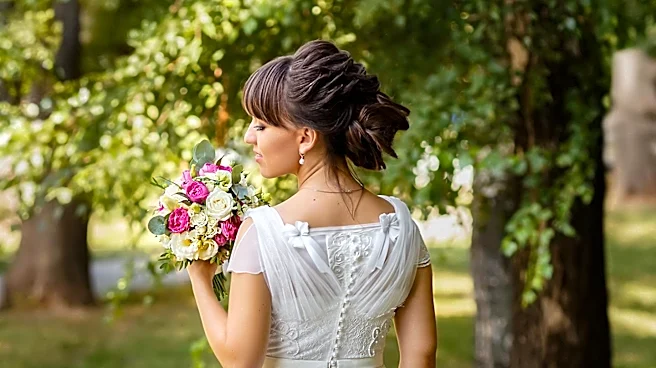
The Monique Lhuillier brand story begins not in a high-fashion atelier, but with a personal quest for the perfect wedding dress. In 1995, while planning her own wedding, Lhuillier was shocked by the bridal market. She found a sea of oversized sleeves
and excessive beading, but nothing that felt modern or sophisticated. For a graduate of the Fashion Institute of Design & Merchandising, the solution was obvious: if you can't find what you want, make it yourself. She designed the dresses for her entire bridal party, and by the end of her wedding reception, she had a stack of business cards from guests asking her to design for them. A year later, in 1996, she launched her company with her husband, Tom Bugbee, based on a simple, powerful idea: brides deserved to feel fashionable. It wasn't a grand business plan; it was an intuitive response to a clear market need.
Winning Hearts, Not Just Editors
From the beginning, Lhuillier’s strategy was unconventional because it was so direct. While many emerging designers focused on courting the New York fashion press, Lhuillier, based in Los Angeles, focused on retailers and the women who wore her clothes. She and her husband started with a small collection of gowns shown at a trade show, securing a handful of bridal store accounts. It was a grassroots approach. She admits that being in L.A., far from the industry's epicenter, made it hard to be taken seriously at first, especially without having worked for a major fashion house. But what she lacked in industry connections, she made up for with product. Her focus was on honing her craft and creating gowns that made women feel beautiful, trusting that the rest would follow. This customer-first mentality built a loyal base of clients who loved the brand long before it was a staple in fashion magazines.
The Red Carpet Becomes the Runway
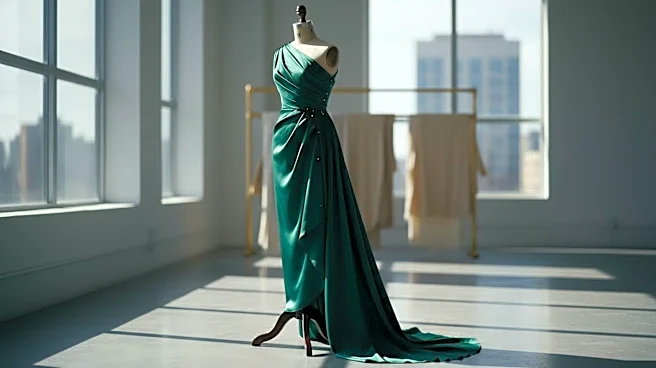
The turning point from bridal favorite to international name came via Hollywood. After opening her first Beverly Hills boutique in 2001, stylists began to notice her work. They saw the romantic, feminine appeal of her bridal gowns and asked a simple question: could she make them in color for the red carpet? This organic demand led to an explosion of brand visibility. The celebrity connection wasn't a calculated PR strategy; it happened by accident. A major coup came in 2004 when she designed a gown for Britney Spears's high-profile wedding, an event that put Lhuillier on the global map. That same year, multiple stars wore her creations to the Emmy Awards. By dressing A-listers like Angelina Jolie, Reese Witherspoon, and eventually First Lady Michelle Obama, Lhuillier used the red carpet as her runway, showcasing her designs to millions and building a powerful public profile.
When the Industry Finally Catches Up
By the time the traditional fashion establishment fully embraced Monique Lhuillier, she was already a success. She was invited to become a member of the prestigious Council of Fashion Designers of America (CFDA) in 2003, years after her business was established and gaining momentum. This official recognition was an acknowledgment of a reality that customers and celebrities already knew: Lhuillier was a major force in American fashion. Her success proved that a brand could be built from the outside in. Instead of seeking permission from the gatekeepers, she created a brand so popular with the public that its inclusion became inevitable. She had built a following before the insiders truly noticed because she prioritized the people who mattered most: the women wearing her dresses on the most important days of their lives.