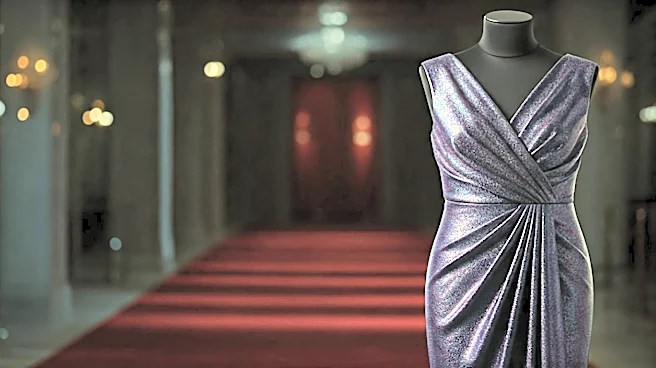









The Old Guard: Unattainable Fantasy
For decades, the Hollywood red carpet was a bastion of pure, unadulterated fantasy. It was the realm of custom-made couture, dresses with dramatic trains, and intricate gowns that looked more like museum pieces than actual clothing. Think Björk’s infamous
swan dress at the 2001 Oscars or the voluminous, fairy-tale creations that defined the early 2000s. The goal wasn't to be relatable; it was to be otherworldly. A premiere outfit was a theatrical costume designed to scream, “I am a movie star, and you are not.” It was a one-night-only spectacle, a sartorial performance piece that had little to do with the clothes people actually buy or wear. That powerful, aspirational distance was the entire point.
The New Strategy: Relatable Glamour
Today, that distance is closing. Look at recent premieres, and you'll see a marked shift. Jennifer Lawrence promoting “No Hard Feelings” in a simple, elegant Dior vest and trousers. Zoë Kravitz in a classic Saint Laurent trench dress for “The Batman.” Even Zendaya, the queen of high-concept fashion, has peppered her press tours with surprisingly grounded looks, like a tailored grey vest-and-slacks combo for the “Challengers” photocall. This isn’t an accident; it’s a strategy. In the age of social media, constant access has changed the nature of celebrity. Stars are no longer distant gods on a screen; they are personalities with brands to manage. An outfit that feels aspirational yet achievable—something a fan could imagine wearing a version of—forges a stronger, more intimate connection than a priceless couture gown ever could.
The Stylist as Business Partner
This evolution is driven by the rise of the celebrity stylist as a master brand strategist. Stylists like Law Roach (Zendaya), Kate Young (Margot Robbie, Michelle Williams), and Erin Walsh (Anne Hathaway) aren’t just picking pretty dresses. They are crafting season-long narratives that align with a star’s persona and a film’s marketing campaign. A wearable look is a powerful tool in their arsenal. While a major awards show like the Oscars still calls for show-stopping couture, the marathon of press tour photocalls and smaller premieres offers a different opportunity. By choosing ready-to-wear pieces, stylists can create a steady stream of content that feels fresh, modern, and—most importantly—commercially potent. Each outfit becomes a data point in the celebrity’s brand, projecting an image of effortless cool or sophisticated polish.
From Red Carpet to Shopping Cart
Ultimately, the shift toward wearable premiere fashion is a story about commerce. A one-of-a-kind couture gown generates buzz, but a chic blazer or a perfect pair of trousers from a designer’s latest collection generates sales. When a celebrity wears a piece that’s available in stores, it creates an instant call to action. Fashion publications and social media accounts can immediately link to the item, and the phenomenon of “getting the look” becomes a direct transaction. Brands are keenly aware of this. Placing a $5,000 dress on an A-lister that then sells out online is a far more tangible return on investment than the abstract prestige of a couture loan. The red carpet has transformed from a pure runway into the world’s most effective showroom, and wearable looks are its most valuable inventory.