


The Art of Studied Carelessness
The secret to understanding the Pitti Uomo aesthetic has a name: *sprezzatura*. Coined in the 16th century by Baldassare Castiglione in *The Book of the Courtier*, it describes the art of making difficult actions appear easy and effortless. It’s a kind
of cultivated nonchalance, a deliberate performance of spontaneity. In the context of modern menswear, it’s the sartorial equivalent of a star athlete making a game-winning shot look like a casual practice drill. The men peacocking outside the Fortezza da Basso aren't just wearing clothes; they are embodying a philosophy. The slightly unbuckled monk strap, the tie askew just so, the jacket draped over the shoulders—these are not accidents. They are calculated gestures designed to signal a mastery so profound that one no longer needs to appear to be trying.
A Foundation of Flawless Fit
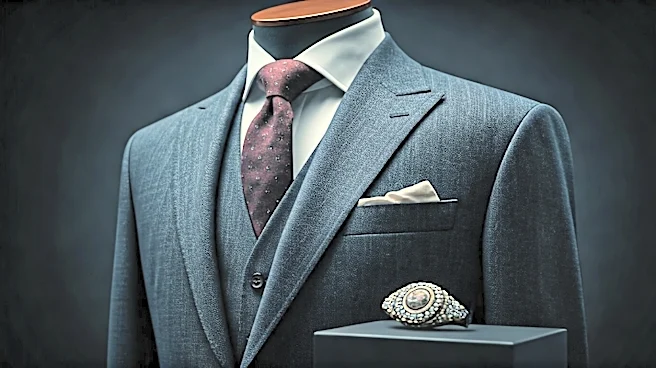
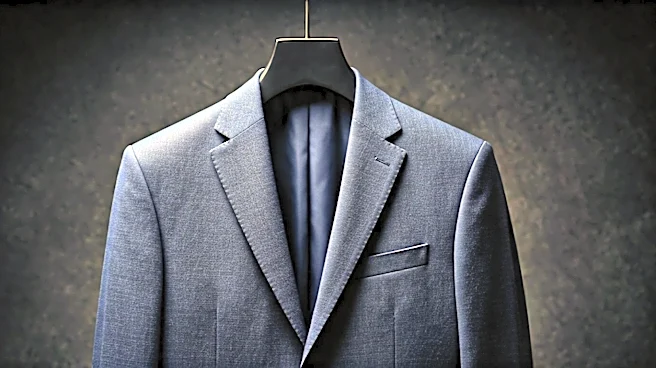
Here’s the paradox: you can’t achieve this high-level carelessness without an impeccable foundation. The entire illusion of *sprezzatura* falls apart if the underlying garment is anything less than perfect. The shoulders of the jacket must sit flawlessly, the trouser break must be precise, and the fabric must drape just right. These are not off-the-rack suits. They are often bespoke or made-to-measure creations, the result of hours of consultation and multiple fittings with a skilled tailor. The nonchalance is layered on top of a canvas of pure precision. Trying to pull off a rakish look with a cheap, ill-fitting blazer doesn't read as effortless; it reads as sloppy. The confidence to look relaxed comes from knowing that the fundamentals—the fit, the construction, the quality—are absolutely locked in.
The Deliberate Imperfections
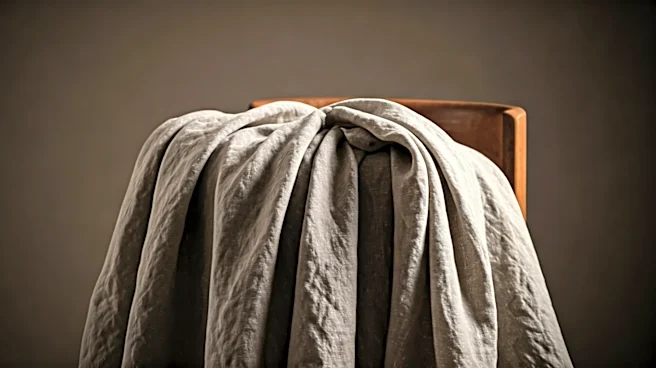
Once the foundation is set, the performance begins. The practitioners of this style deploy a toolkit of deliberate imperfections. Think of a surgeon’s unbuttoned jacket cuff, known as a “shanking button,” left undone to subtly hint at its bespoke, functional nature. Or the tie blade peeking out from under the main blade, a move so practiced it has its own name (*storta cravatta*). Other classic moves include a perfectly rumpled linen shirt, a pocket square puffed with elegant disarray rather than folded into rigid points, or loafers worn without socks, even with a formal suit. Each choice is designed to disrupt the rigid perfection of classic tailoring. It’s a whisper, not a shout, that says, “I know the rules so well that I can afford to break them with grace.”
It’s a Performance for the Camera
We can’t discuss modern Pitti Uomo without acknowledging the elephant in the piazza: street style photography. In the age of Instagram, the event has become as much about being seen as it is about doing business. The men posing for photographers like Scott Schuman (The Sartorialist) or Tommy Ton are acutely aware of their audience. Their “effortless” look is often the result of meticulous planning—outfits chosen weeks in advance, accessories curated, poses practiced. The nonchalant lean against a stone wall is a composition. The casual conversation with a fellow attendee is a tableau. This doesn’t cheapen the artistry; it simply reframes it. The performance is no longer just for one’s peers in a courtly setting but for a global digital audience. The effortlessness is, in itself, the product.