





An Epic Task for an Epic Poem
Adapting Homer's Odyssey for the big screen is already an ambitious task. It’s a foundational story of Western literature, filled with vengeful gods, mythical monsters, and a decade-long journey across treacherous seas. But for Christopher Nolan, simply
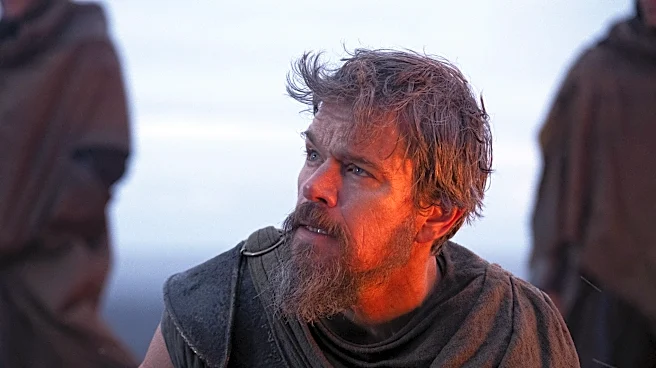
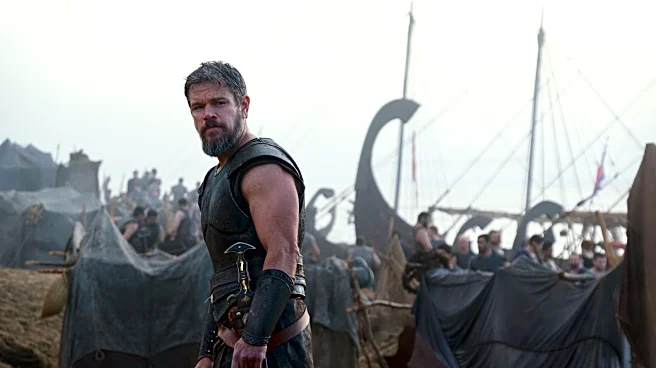
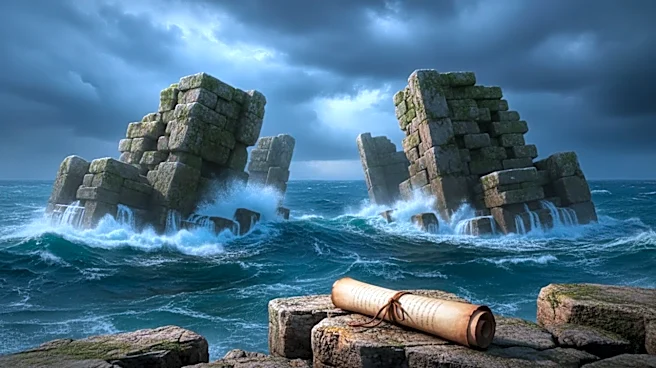
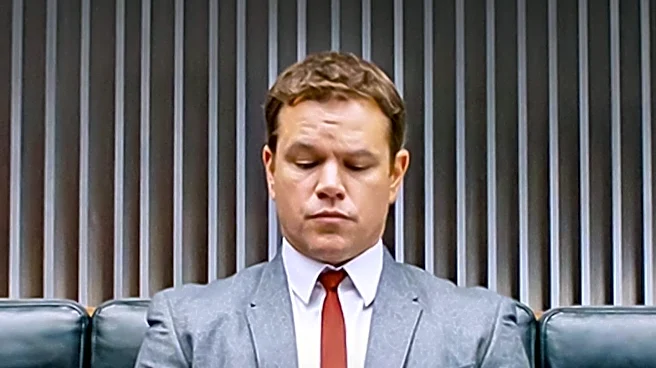
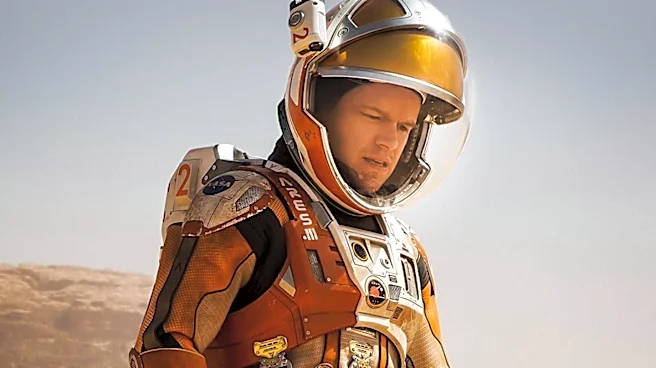
telling the story isn't enough; he has to make it feel real. The production for The Odyssey is a globe-trotting endeavor, spanning six countries, including Morocco, Greece, and Iceland, often in harsh and unpredictable conditions. Star Matt Damon, who plays the beleaguered Odysseus, recounted how Nolan warned him upfront about the film's difficulty, a promise the grueling shoot fulfilled with rough seas, freezing temperatures, and long days far from the comfort of a studio. The very nature of the story—a man battling the elements to get home—demanded a production that mirrored that struggle, placing the cast and crew on real boats in real oceans to capture the story's raw, punishing essence.
The Gospel of In-Camera Realism
At the heart of Nolan’s method is a simple but challenging philosophy: if it can be done for real, do it for real. While many modern blockbusters lean heavily on computer-generated imagery (CGI), Nolan has consistently argued for the power of practical effects. He believes audiences have a subconscious ability to distinguish between something physically photographed and something digitally created. For Nolan, CGI can feel “a little safe,” lacking the inherent threat and visceral reality of a practical stunt. This ethos is why he recreated the Trinity Test explosion for Oppenheimer using a complex cocktail of practical materials rather than digital rendering, and why he crashed a real Boeing 747 for Tenet. For The Odyssey, a tale populated by fantastical creatures and divine interventions, this practical-first approach presents a monumental challenge: how do you ground a world of myth in tangible reality without losing its magic?
The Burden of the IMAX Dream
Nolan’s favorite tool, the IMAX camera, is both his greatest asset and his biggest logistical hurdle. These cameras are massive, heavy, and notoriously loud, making them difficult to use in anything but the most controlled environments. Yet, Nolan has made a career out of putting them where they don't belong. For Dunkirk, his crew strapped the bulky cameras to the wings of vintage Spitfire planes and submerged them in the English Channel to create an unparalleled sense of immersion. With The Odyssey, he has taken this ambition to its zenith, making it his first feature shot entirely on IMAX film. The production reportedly used over two million feet of expensive 70mm film stock—enough to stretch over 370 miles. Every shot, every take, consumes physical film, making the process exponentially more difficult and costly than digital filmmaking. This commitment forces a discipline and physicality that defines the production's demanding nature.
A History of 'Hard Movies'
To understand the scale of The Odyssey's challenges, one only has to look at Nolan’s track record of creating “hard movies.” He is a director who seems to be in competition with himself, constantly raising the bar for practical spectacle. For Inception, he built a massive, rotating centrifugal hallway to stage a zero-gravity fight scene. For The Dark Knight, he famously flipped a real 18-wheeler truck on a Chicago street. For Tenet, he choreographed complex action sequences where some actors performed forwards while others moved in reverse, all in-camera. Even his acclaimed Oppenheimer had fewer than 300 visual effects shots, a number lower than many romantic comedies. Each of these feats required immense engineering, planning, and a stubborn refusal to take the easy way out. The promise of The Odyssey is that it combines all these past challenges—logistics, stunts, water, and weather—into one singular, grueling production.