



Casting the Heart of Polynesia
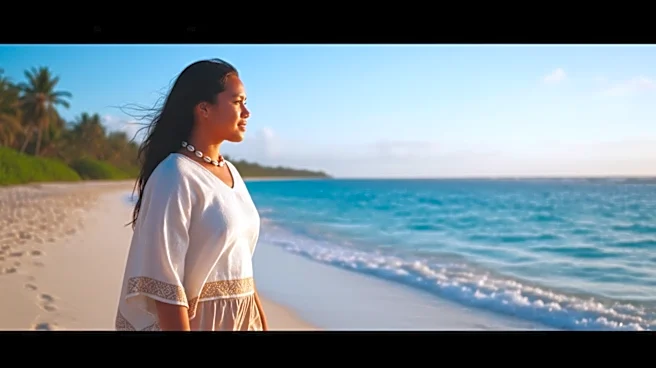
The soul of 'Moana' is Moana herself, and the casting of newcomer Catherine Laga‘aia was a crucial first test. The 17-year-old Australian actress, who has Samoan heritage, immediately highlighted the personal significance of the role. 'I'm honored to
have an opportunity to celebrate Samoa and all Pacific Island peoples, and to represent young girls who look like me,' she stated. This sentiment was echoed by Auliʻi Cravalho, the original voice of Moana, who now serves as an executive producer and mentor, calling it a 'passing of the baton.' But the public scrutiny shows just how deeply fans connect with the character's appearance. Early reactions to trailer footage sparked intense debate online about the styling of Laga‘aia's hair, with many worrying it appeared straighter than the animated version's iconic curls. This isn't just a trivial detail; for many, Moana's naturally textured hair was a powerful symbol of representation, and any perceived change sends a message to young viewers about cultural beauty standards.
The Rock's Responsibility
At the center of the production is Dwayne 'The Rock' Johnson, who is not only reprising his role as the demigod Maui but also serving as a key producer. For Johnson, whose grandfather was the Samoan professional wrestler High Chief Peter Maivia, the film is deeply personal. 'This story is my culture, and this story is emblematic of our people's grace and warrior strength,' Johnson said upon the film's announcement. His involvement lends a significant layer of credibility, but it also places him directly in the cultural crosshairs. Every choice, from Maui's tattoos to his hair—which was reportedly changed from bald to long-haired in the original animation after consultants explained hair symbolizes power, or 'mana,' in Polynesian culture—is freighted with meaning. Johnson has embraced this, emphasizing that the live-action format offers a chance for global audiences to not just see, but live the vibrancy and beauty of the culture.
More Than Just an Island Aesthetic
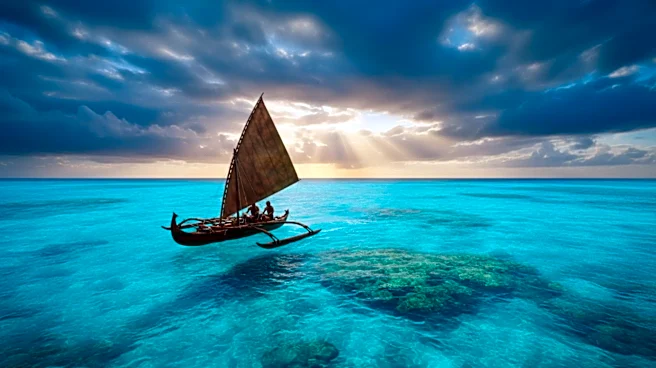
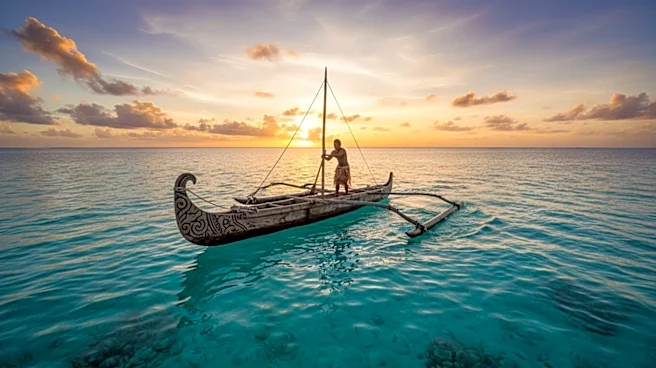
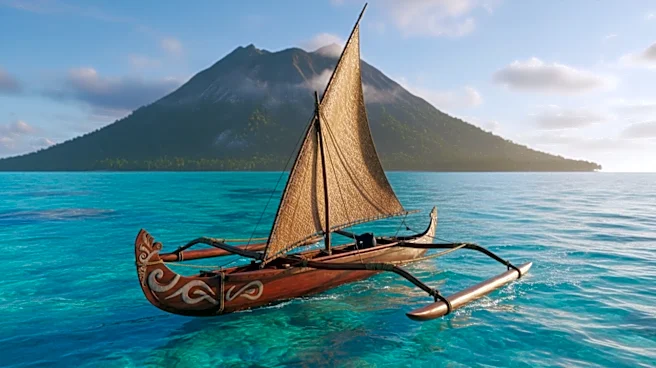
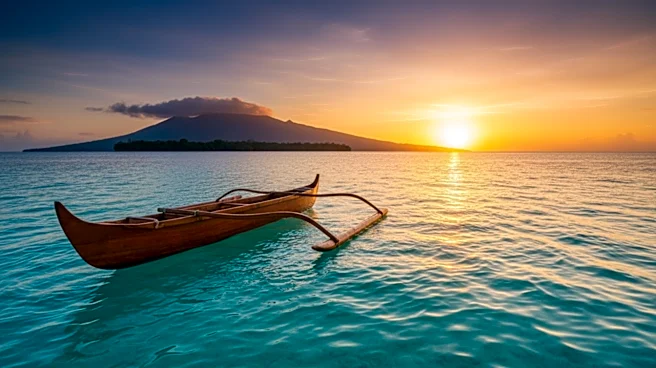
Hollywood has a long history of reducing the Pacific Islands to a simplified, romanticized paradise. The team behind 'Moana' is navigating this by continuing a practice established with the animated original: consulting with the Oceanic Story Trust. This collective of academics, linguists, tattoo masters, elders, and other cultural experts advises on everything from script details to costume design. For a story set 2,000 years ago, authenticity requires immense research into details like the design of ancient canoes and the use of natural materials like tapa cloth. The goal is to avoid the 'Polynesian aesthetic'—a marketable but often superficial version of a diverse and complex region—and instead ground the fantasy in real traditions. Director Thomas Kail, known for 'Hamilton,' is tasked with translating this into a visceral, human story that feels both magical and real.
Why the Remake, and Why Now?
Beyond the design specifics, a broader question has followed the production: why remake a film that is only a decade old and remains incredibly popular? Some critics and fans see it as a premature cash grab. However, the creators argue the live-action format offers something new. Co-writer Dana Ledoux Miller, who is of Samoan heritage, suggested it will emphasize the story's 'human vulnerability.' Dwayne Johnson has spoken about the unique power of seeing real people, with 'real flesh and blood,' bring these characters and emotions to the screen. In a media landscape where authentic representation is still scarce, the opportunity to put Pacific Islander faces, stories, and traditions at the forefront of a global Disney blockbuster carries immense weight. The success of this 'Moana' won't just be measured by box office returns, but by how it's received by the very communities it aims to honor.