






A Tightly-Wound Music Machine
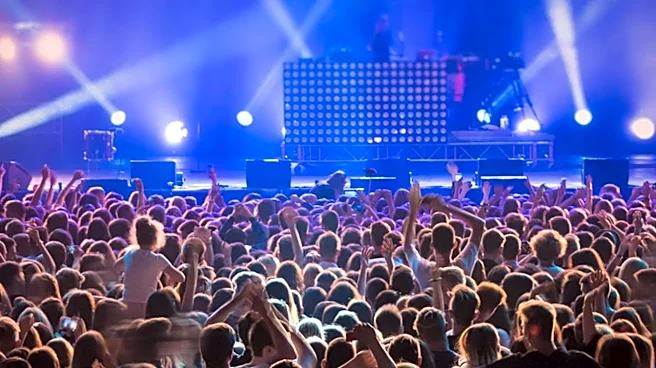
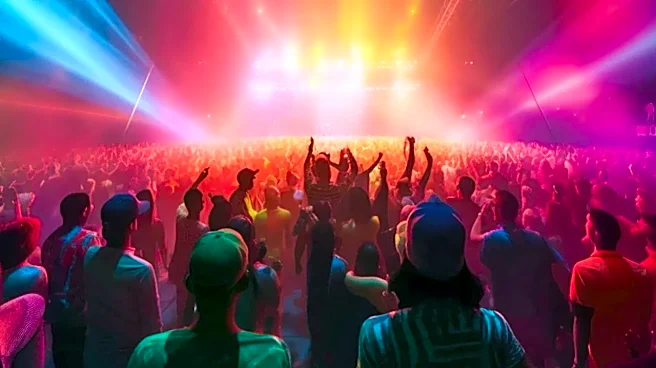
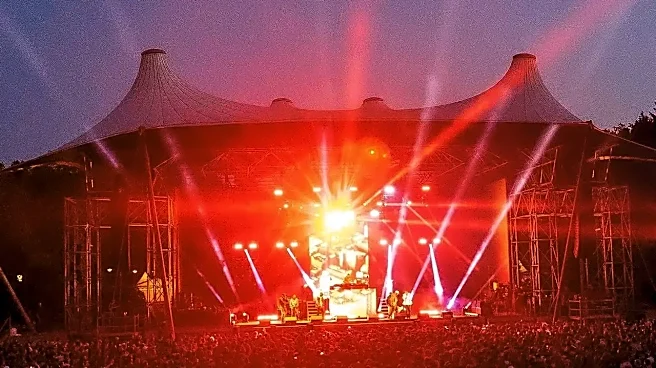
To understand the risk of downtime, you first have to appreciate the sheer scale of ACL. The festival hosts over 450,000 fans across two weekends, featuring hundreds of artists on eight separate stages. It's a logistical ballet choreographed down to the second.
From the moment the gates open until the final headliner's encore, the schedule is a complex web of interlocking parts. Each artist has a specific time slot, and the changeover between acts—the process of breaking down one band's gear and setting up the next—is a furious, precisely timed race. This constant motion is what creates the vibrant, non-stop energy of the festival, but it also makes the entire system incredibly fragile.
More Than Just Silence
When you think of "downtime" at a festival, you might picture a silent stage. But the reality is much broader and more complex. Downtime can stem from a dozen different sources: a sudden downpour that forces a temporary evacuation, a technical glitch with a soundboard or video screen, a key piece of equipment failing, or an artist running late. Even a security issue or a medical emergency in the crowd can force a pause. In October 2021, for instance, organizers had to delay the festival's opening by three hours due to weather, cutting some of the earliest-billed performers from the lineup entirely. Each of these scenarios, no matter how brief, stops the clock and starts a chain reaction.
The Domino Effect of Delays
A 15-minute delay on one stage isn't just 15 minutes of quiet. It’s a problem that ripples across the entire park. That delay pushes back the next artist's set, which may then overlap with a major headliner on another stage. This creates crowd control nightmares, as thousands of fans may suddenly try to move from one area to another at an unplanned time. It can also breach artist contracts, which often contain specific clauses about set length and start times. For a festival that is also a live broadcast, like the PBS show that spawned it, unscheduled downtime can be catastrophic, creating dead air and violating agreements with media partners. As one production manager might put it, you're not just losing time; you're losing control.
The Financial and Reputational Cost
The risks are not just logistical; they are financial and reputational. Every minute of a festival this size has a dollar value attached to it, from staffing and power generation to vendor sales and artist fees. Delays can lead to overtime pay for hundreds of crew members. If a day is canceled, as happened in 2013 due to severe weather, organizers have to issue partial or full refunds to tens of thousands of ticket holders. Beyond the immediate financial hit, a festival that feels disorganized or chaotic gets a bad reputation. Fans who spend hundreds or thousands of dollars on tickets, travel, and lodging expect a smooth experience. If they face constant delays and cancellations, they may not return.
The Constant Battle Against the Clock
Because the stakes are so high, festival organizers like C3 Presents invest heavily in contingency planning and redundancy. This means having backup power generators, spare sound and lighting equipment on standby, and veteran stage crews who can troubleshoot problems in real time. They monitor weather obsessively and have detailed protocols for every imaginable scenario, from high winds to medical emergencies. Their proactive preparations include everything from clearing drains in the park ahead of expected rain to accelerating the setup schedule to protect equipment. The goal is to solve problems before they can cascade, turning a potential multi-hour disaster into a manageable few minutes of downtime.