


An Unforgettable, Genius Design
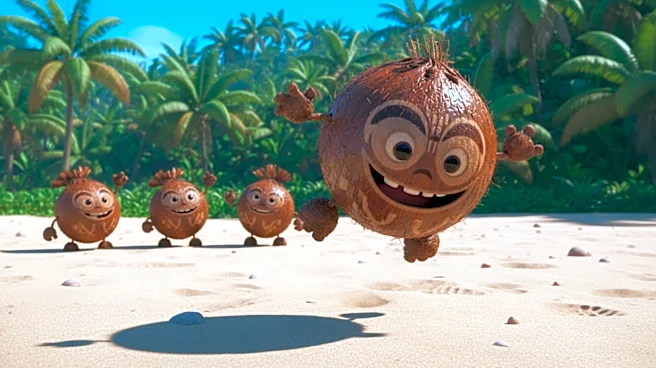
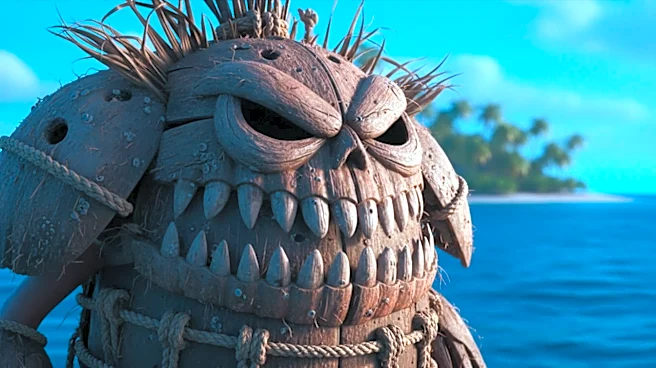
Let’s start with the obvious: the Kakamora are a triumph of character design. The concept is pure, distilled Disney magic—tiny pirates wearing coconut armor. It’s simultaneously adorable and absurd. Each one is a unique creation, with different sizes,
shapes, and crudely painted faces that convey a surprising range of emotions, from goofy grins to menacing snarls. They look like something a kid would dream up, yet their execution is flawless. One even has a face painted to look like Baymax from Big Hero 6, a classic Disney Easter egg. In a film bursting with breathtaking visuals, these little coconut creatures steal every frame they’re in, proving that you don’t need dialogue to be unforgettable.
A Nod to 'Mad Max: Fury Road'
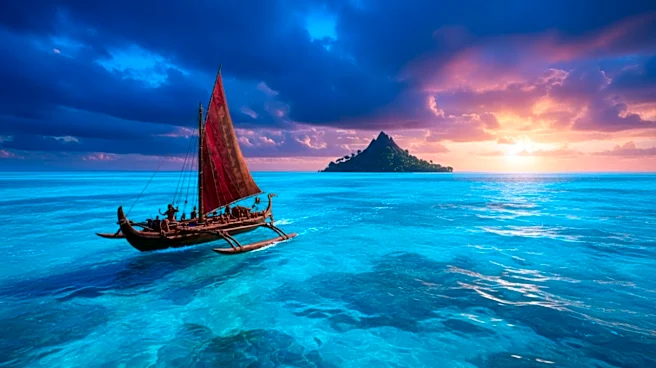
Their most iconic scene is a high-octane chase on the open ocean, an intentional homage to George Miller's masterpiece, Mad Max: Fury Road. The sequence is a marvel of organized chaos. The Kakamora ships—massive flotillas of flotsam and jetsam—converge on Moana and Maui's small boat with terrifying speed and precision. They communicate through the percussive beat of war drums, creating a thrilling and intimidating soundscape. For a bunch of tiny beings in coconut shells, they project an astonishing amount of power. The filmmakers, Ron Clements and John Musker, even admitted the sequence grew in scale during production because it was just too fun to pass up.
They're Actually Effective Pirates
Maui dismisses them as “murdering little pirates,” and while he says it with a smirk, he’s not entirely wrong. These guys are surprisingly competent. They operate as a coordinated unit, using ziplines, blow darts, and sheer numbers to overwhelm their targets. They successfully board Moana’s boat, capture Heihei (who had swallowed the Heart of Te Fiti), and nearly make off with the film's central MacGuffin. If not for Moana's quick thinking and Maui's brute strength, the Kakamora would have won. They represent the first real test of Moana and Maui's partnership, forcing them to work together against a relentless, swarming threat. They are the definition of a perfect early-adventure obstacle.
Inspired by Pacific Mythology
While Disney took creative liberties, the Kakamora are rooted in real-world legends from the Solomon Islands. In traditional mythology, Kakamora are described as small, sometimes hairy, forest-dwelling beings. Stories vary, depicting them as anything from harmless tricksters to more aggressive figures who might steal from humans. Disney's interpretation transforms them into seafaring pirates, but the core idea of a race of small, mysterious beings is pulled from genuine Pacific folklore. This layer of authenticity adds a fascinating depth to their cinematic presence, connecting them to the rich cultural tapestry the film so beautifully celebrates.
A Deeper Story in the Sequel
For those who felt the Kakamora were a bit underdeveloped, Moana 2 offered a surprising and welcome expansion of their story. The sequel reveals that the Kakamora weren't always pirates; they were a people whose home was lost, forcing them into a nomadic life on the sea. This tragic backstory re-frames their aggressive pursuit of valuables in the first film not as pure villainy, but as a desperate means of survival. One of them, a character named Kotu, even joins Moana on her new quest. This evolution from menacing-but-cute antagonists to sympathetic allies is a fantastic narrative turn, proving there was always more to these little guys than met the eye.