





The Rolling Riser Revolution
The single greatest weapon in the war against downtime is the rolling riser. These are essentially stages on wheels. While the current band is playing, the next act’s entire backline—drum kit, amps, keyboards, pedalboards—is being assembled on a separate
rolling platform backstage or to the side. Once the stage is clear, the previous band's riser is rolled off, and the new one is wheeled into position, locked, and plugged in. What looks like a frantic scramble is actually a pre-built world rolling into place. It’s the closest thing to a real-life copy-and-paste function for a full band setup.
A Universal Language for Sound
Imagine the chaos if every band brought their own unique audio setup. Instead, festivals use a standardized “festival patch.” The stage has a master input list, with channels pre-assigned for specific roles: channels 1-12 are for drums, 13 for bass, and so on. A band's touring sound engineer adapts their needs to this universal template. This eliminates the need to re-patch the entire system from scratch for every act, a process that used to take an hour. It ensures that when the front-of-house engineer pushes up the kick drum fader, they actually hear the kick drum.
The Power of the Multi-Pin Connector
Even with a festival patch, plugging in dozens of individual microphone cables is too slow. The pros use multi-pin connectors, often called "mults." These work like a massive, industrial-strength USB cable for audio. On the rolling riser, all 12 drum mics are plugged into a junction box that combines them into a single, thick cable with a multi-pin connector. When the riser is in position, a tech simply connects that one plug into the stage’s main audio snake. In about five seconds, the entire drum kit is live, a task that would otherwise involve a dozen individual connections.
Color-Coded Cable Mania
In the fast-paced, often dark environment of a stage wing, tracing a black cable back to its source is a nightmare. This is where a simple but brilliant hack comes into play: color-coding. Everything is color-coded. Different colored electrical tapes are used to mark cables, stage positions, and input boxes. A tech doesn’t have to read a tiny label; they just need to match the blue-taped cable to the blue-taped input on the sub-snake box. This visual shorthand system is crucial for speed and accuracy when multiple crew members are working in a tight space under immense pressure.
The Silent Line Check
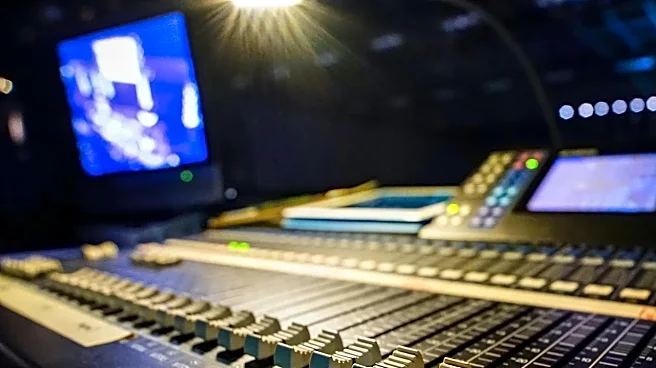
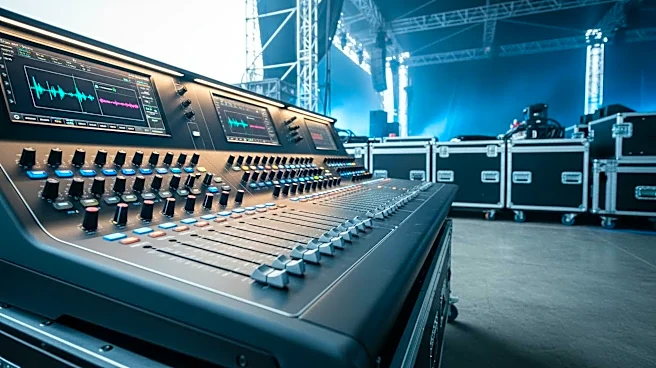
There's no time for the classic "check, one, two" before a festival set. Instead, silent line checks are performed. Once everything is plugged in, the audio engineers run signals through each line to ensure it's working, but without making a sound through the main PA system. The front-of-house and monitor engineers see the signal light up on their consoles, confirming that, for example, the lead singer’s microphone is active and routed correctly. This process verifies that all 32 or more channels are functional in the final minutes before the performance begins, preventing disastrous opening-song failures.
The Stage Manager: Conductor of Chaos
All these technical hacks are worthless without a human hub to coordinate them. The stage manager is the undisputed conductor of the changeover ballet. Long before the festival, they've absorbed every band's technical rider, planned the layout, and assigned roles to the crew. During the show, they are the central point of communication, wearing a headset and issuing calm, concise commands to every department—backline techs, lighting, audio, and video. They are the problem-solvers, the timekeepers, and the leaders who turn a potential 20-minute disaster into a seamless 15-minute miracle.