


More Than a Soundtrack
When you think of sound in film, your mind probably jumps to the score—the sweeping orchestra, the moody synths. But that’s just one piece of the puzzle. Sound design is everything else: the crunch of leaves under a character’s boot, the specific hum
of a futuristic city, the deafening silence right before a jump scare. It’s the art of building a world with audio. While directors and cinematographers get the lion’s share of the credit for a film's look and feel, it’s the sound designer who truly immerses you in the environment. They craft the sonic texture that makes a fantasy kingdom feel ancient or a cramped apartment feel suffocating. It’s an invisible art form that, when done well, you don’t notice consciously at all. You just feel it.
The Architecture of Emotion
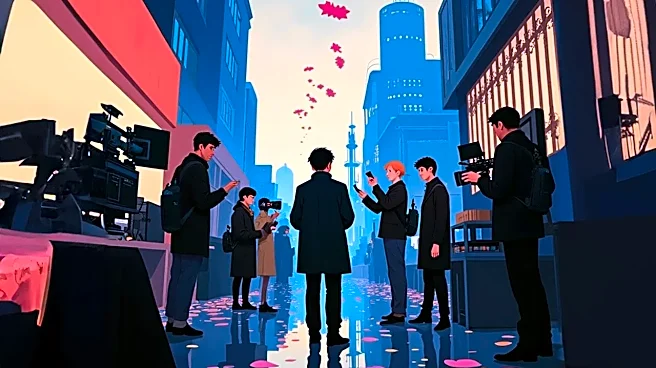
Great sound design doesn't just build worlds; it manipulates your emotions with surgical precision. Think of the rising tension in a thriller. It’s rarely just the music. It’s the low, almost imperceptible drone that grows in intensity, the floorboards that creak just a little too loudly, or the unnatural quiet that tells your brain something is wrong. At a festival like TIFF, where dozens of films are competing for attention, a masterful sound mix can be what separates a forgettable drama from an unforgettable experience. It can make an audience hold its breath or collectively jump. For instance, a film getting early notice at the related Venice Film Festival, Hirokazu Kore-eda’s “Look Back,” is being praised for its acute focus on the sound design of creation, using the specific audio of pencils scratching on paper and paint stirring on canvases to create a powerful emotional response in the audience.
Giving a Character Their Voice (Without Words)
Sound can also be a powerful tool for character development. What a character hears—and what they tune out—can say more about them than pages of dialogue. Does their world sound chaotic and overwhelming, or is it filtered into a calm, orderly soundscape? The sounds a character makes are just as important. The jingle of a specific set of keys, the heavy thud of their prosthetic leg, or the constant, nervous tap of their fingers on a tabletop are all sonic signatures that define them. This is especially potent in genre films, a staple of TIFF's program. For instance, the upcoming horror film from director Joshua Giuliano, developed from his short “In Sound, We Live Forever,” suggests a deep exploration of audio as a central narrative and character device. By rooting a story in what is heard, a filmmaker can draw the audience directly into the protagonist’s subjective experience.
What to Listen For at TIFF 2026
As the lights go down on the premieres at TIFF this year, from September 10 to 20, try to tune your ears to this hidden language. In the big, buzzy biopics and dramas that populate the festival, listen for the subtle environmental sounds that ground the story in a specific time and place. In the genre fare, like the films in the Midnight Madness section, pay attention to how silence is used to build dread. Even documentaries, which seem sonically straightforward, rely on a carefully curated audio landscape to tell their stories, whether it's following the career of a K-pop star or a legendary rocker. The festival is a showcase for a huge range of cinematic styles, and each one brings its own sonic challenges and opportunities. A film's biggest moments might not be the dramatic explosions, but the quiet, perfectly placed sounds that make you believe what you’re seeing.