


On the surface, Thanksgiving and horror make strange bedfellows. One is about gratitude and togetherness; the other, dread and isolation. Yet, the holiday horror subgenre proves that the most unsettling stories exploit this very contrast.
The Uncanny Valley of Forced Cheer
Horror works
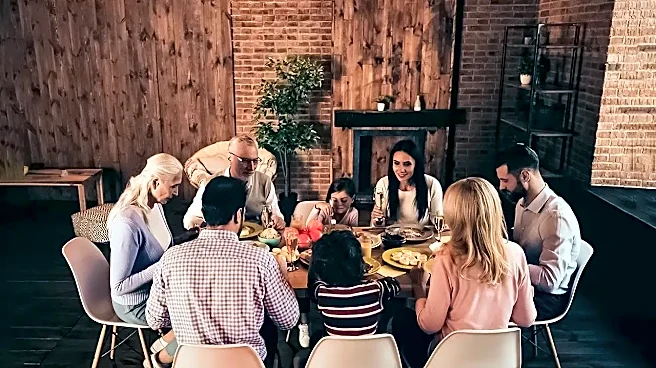
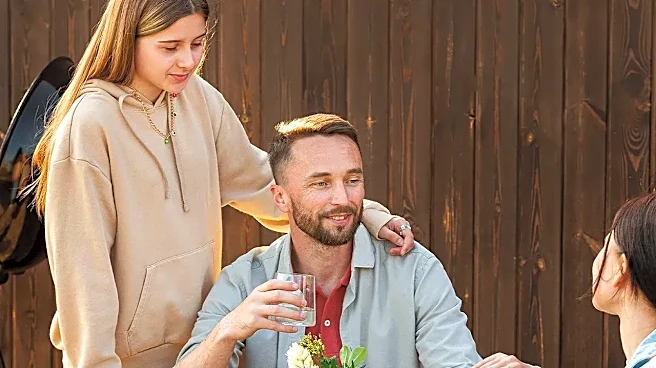
best when it violates a place of perceived safety. Few places are presumed safer than the family home during a holiday meant to celebrate warmth and connection. This is horror's opening gambit. Thanksgiving demands a performance of happiness, an unspoken agreement to put on a cheerful face, express gratitude, and participate in traditions. This pressure creates a fragile, almost brittle atmosphere. The subtext is thick with everything left unsaid—old arguments, lingering disappointments, and complicated histories. Horror filmmakers seize this tension. They know the idyllic scene of a family gathered around a perfectly set table is a façade waiting to crack. The horror isn't just about an external threat like an axe-wielding pilgrim; it's about the internal dread that the performance of 'happy family' will collapse. The home transforms from a sanctuary into a stage for psychological warfare, where the most terrifying monster could be the person passing the gravy.
Ancient History and Trapped Animals
Family gatherings are unique social experiments. You bring together multiple people with decades of shared—and often unresolved—history, add alcohol and expectations, and lock them in a confined space for several hours. It’s a classic horror setup. Psychologically, being with family can trigger a regression into old roles we thought we’d outgrown: the peacemaker, the responsible one, the troublemaker. These dynamics are fertile ground for horror narratives. Films like 'Blood Rage' (1987) and even the dysfunctional family dinner in 'Hereditary' (2018) show that the people who know us best also know exactly how to push our buttons. The terror comes from the idea that the people who are supposed to protect you might be the most dangerous. The threat isn’t an outsider breaking in; it’s the long-simmering resentment from a sibling or the unnerving quiet of a relative holding a grudge, proving that some monsters have a permanent seat at the dinner table.
Subverting the Rituals of Comfort
Holiday horror thrives on turning beloved rituals into instruments of terror. The carving of the turkey, a symbol of abundance and sustenance, becomes grotesque and violent in the hands of a filmmaker like Eli Roth in 'Thanksgiving' (2023), where a killer turns a holiday parade into a bloodbath and literally serves up a victim like a holiday feast. In Hulu’s 'Pilgrim' (2019), a family hires historical reenactors to create an 'authentic' Thanksgiving, only for the actors' fanatical devotion to their roles to turn menacing, twisting the concept of gratitude into a tool of psychological torture. These films understand that subverting a trope is one of horror's most powerful tools. By taking the familiar and making it menacing, they tap into a deeper unease. The very things meant to bring comfort—tradition, food, celebration—are twisted into something nightmarish, leaving the audience to question the safety of their own cherished customs.
An Audience Primed for Dread
Ultimately, Thanksgiving horror has a built-in advantage because the audience is already in on the secret: family holidays are inherently stressful. There's a shared cultural understanding of the potential for awkward conversations, simmering family drama, and the pressure to maintain a festive spirit. Horror films don't need to work hard to establish this tension; they merely have to reflect and amplify it. Whether it’s the isolation felt by a college student left alone on campus in 'Kristy' (2014) or the explosive aftermath of a Black Friday riot in 'Thanksgiving,' these films capitalize on anxieties that are already present. They give a monstrous face to the underlying dread many people feel during a season that is supposed to be purely joyful. By turning the wholesome into the horrific, Thanksgiving horror provides a strange, cathartic release—a validation that, yes, sometimes the holidays really can be a nightmare.