

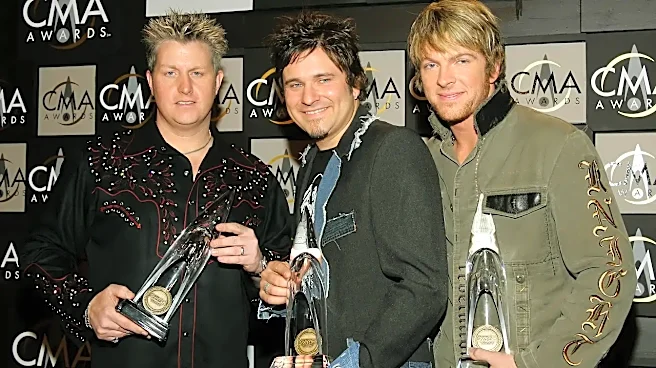
The Energy in the Room
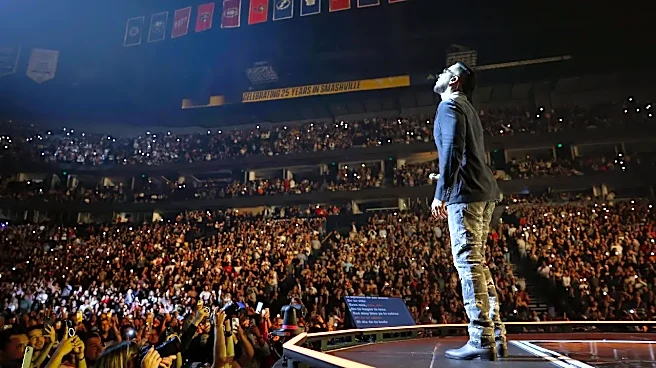
Inside Nashville’s Bridgestone Arena, the CMA Awards is less a TV show and more of a high-stakes, high-energy industry reunion. The air crackles with a specific type of energy you can't broadcast. It’s in the thunderous, floor-shaking applause for a hometown
hero, the knowing glances between artists during a commercial break, and the collective gasp at an upset that cameras might miss. This is the audience of peers, executives, and collaborators who live and breathe country music. For them, the night is about celebrating their own, with inside jokes from host Lainey Wilson that land differently here than they do in a living room in Ohio. This year, moments like the star-studded tribute to Brooks & Dunn, the recipients of the Willie Nelson Lifetime Achievement Award, created a palpable sense of shared history and respect in the arena that transcended the performances themselves.
Crafting the Perfect TV Moment
For the millions watching on ABC and Disney+, the CMA Awards is a different beast entirely. It's a fast-paced, visually rich production designed to keep eyeballs glued to the screen. Every camera angle, lighting cue, and cutaway shot is meticulously planned. The producers' main job is to translate the raw energy of the arena into compelling television. Take Taylor Swift’s highly anticipated return to the CMA stage after 13 years; it was a moment engineered for maximum national impact, from the dramatic staging to the perfectly timed reaction shots. The same goes for the collaborations, like Mumford & Sons teaming up with Chris Stapleton. These aren't just jam sessions; they are carefully packaged events, designed to create buzz-worthy television and drive next-day streaming on Hulu.
Lainey Wilson's Impossible Task
At the center of these two worlds stands the host. For the third consecutive year, and her second solo, Lainey Wilson was tasked with speaking to both audiences at once. A joke that makes the Nashville insiders roar might fall flat for a casual viewer, while a broader pop-culture reference could feel out of place in the room. Wilson’s performance is a masterclass in code-switching. One moment, she's offering a heartfelt, insider’s nod to a fellow artist, and the next, she’s explaining a category's significance for the national audience. It's a nearly impossible job, requiring the charisma of a rock star and the savvy of a television producer, all while making it look effortless.
Performances Built for Two Worlds
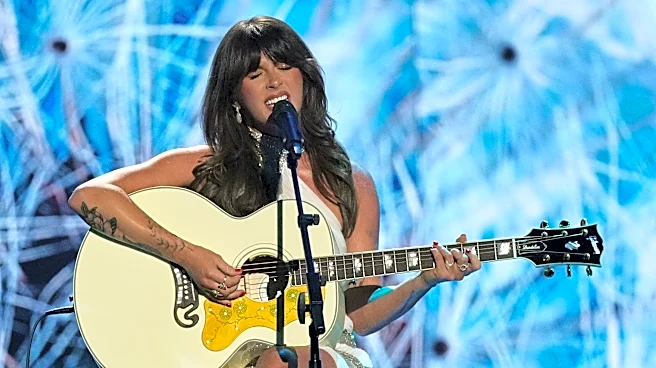
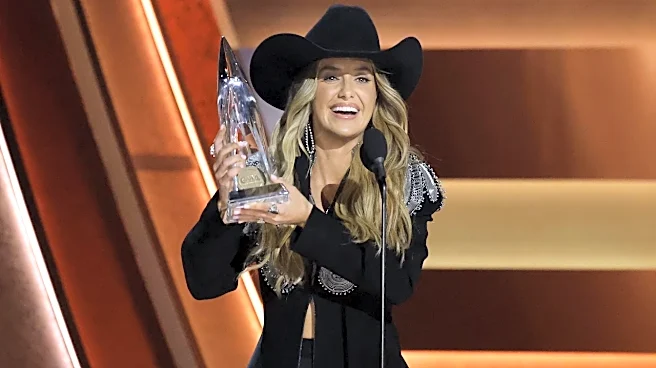
Nowhere is the two-audience dynamic more apparent than in the performances. A stripped-down, emotional ballad might be aimed squarely at the hearts of those inside Bridgestone, designed to create a reverent hush. In contrast, a high-octane, pyro-filled spectacle from a nominee like Ella Langley, who led the night with nine nominations, is pure primetime fuel. Langley's performance of 'Choosin' Texas,' which also won for Music Video of the Year, was a prime example of a set built for the screen, with dynamic camera work and arena-sized energy. Even the tribute to the late Dolly Parton was a moment crafted for dual impact: a somber, respectful remembrance for those in the room and a poignant, narrative-driven segment for those watching from afar.
When an Award Is More Than a Win
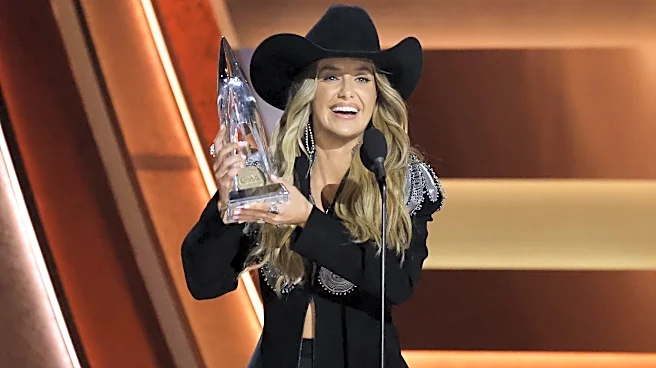
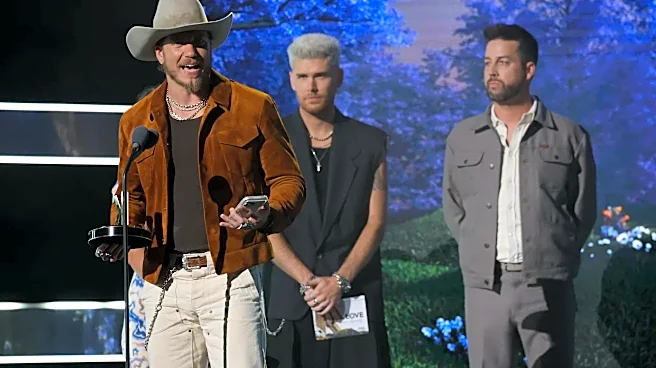
Even the act of winning an award plays differently for each audience. When a name is called, the camera cuts to a tight shot of the shocked, tearful winner. For the TV audience, it's a satisfying, self-contained emotional moment. But in the arena, the story is bigger. It’s about the winner’s entire team erupting in celebration, the hugs from artists at their table, and the long walk to the stage as the industry cheers them on. The early win for HARDY, Eric Church, Morgan Wallen, and Tim McGraw for Musical Event of the Year was announced on 'Good Morning America,' a move designed to build hype for the broadcast audience. For the TV viewer, it’s a news update; for the artists, it’s the culmination of a collaborative journey celebrated among peers.