






A Different Kind of Script
The sense that Christopher Nolan’s second Batman film was unique began with the script. Aaron Eckhart, who played District Attorney Harvey Dent, recalled the screenplay being delivered to his house by a courier who waited outside for two hours while he read
it. Eckhart described the experience as feeling like he had just read a good novel, marveling at how a script could successfully weave together so many major characters like Batman, the Joker, Jim Gordon, and Rachel Dawes, giving them all equal play. The story was less a superhero adventure and more of a sprawling crime epic, treating Gotham as a real, complex city plagued by corruption. This narrative depth signaled to the actors that they were involved in something that aimed to transcend the genre.
Nolan's Grounded Reality
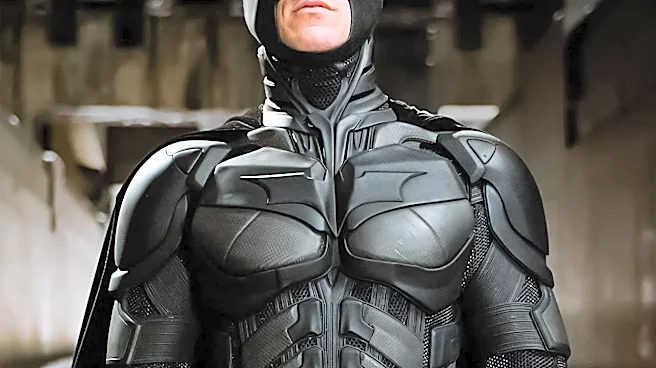
Director Christopher Nolan fostered an on-set atmosphere that was more like an independent film than a massive studio blockbuster. He is famous for his preference for practical effects over computer-generated imagery, a choice that gave the film a tangible, gritty texture. The crew flipped a real semi-truck in the middle of Chicago's financial district and filmed six major sequences with hulking IMAX cameras, a first for a major feature film. This commitment to realism extended to the working environment. Eckhart noted that actors were expected to be on set at all times, not retreating to trailers, creating a collaborative and focused energy. Nolan's vision was to treat the world of Batman as utterly real, allowing the audience to feel the impact of every car crash and crunched bone.
An Agent of Chaos
At the heart of the film's singular energy was Heath Ledger's transformative performance as the Joker. His commitment was legendary and deeply felt by his fellow actors. Michael Caine, who played Alfred, was so genuinely terrified upon seeing Ledger in full makeup and character for the first time during a rehearsal that he forgot his lines. Ledger's process was intense; he would apply his own makeup to create a more chaotic, lived-in look and often stayed in character when the cameras were rolling. Yet, between takes, he was known to be friendly and would even skateboard on set. He improvised iconic moments, like the menacing, sarcastic clap from his jail cell, which was not in the script but was kept in by Nolan. This blend of immersive dedication and unpredictable creativity convinced everyone they were witnessing something historic.
Raising the Bar for a Genre
The combination of a sophisticated script, practical filmmaking, and a legendary performance created a palpable sense on set that the film was special. Richard Brake, who played Joe Chill in 'Batman Begins,' sensed that something was happening on that first film just from watching Christian Bale's intense dedication. That intensity carried over and was magnified on 'The Dark Knight.' The film wasn't just about a hero fighting a villain; it was an exploration of order, chaos, and societal decay that felt deeply relevant. The villains served as yardsticks to measure the evolution of Bruce Wayne as a man and a hero. The cast and crew understood they weren't just making a sequel; they were crafting a crime drama that would permanently alter expectations for what a superhero movie could be.